Yellow leaves in flowering are not always a bad sign
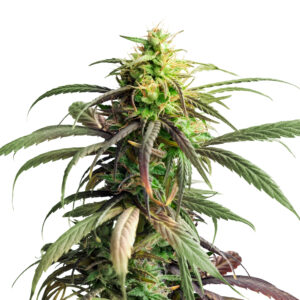
If your leaves are turning yellow during flowering, the first thing we want you to know is this: context matters. In late flowering, especially during the final two weeks, some fan leaves may yellow naturally as the plant redirects stored nutrients into ripening buds. If you also see darkening pistils, stronger aroma, and trichomes shifting toward cloudy or amber, that kind of fade is usually part of the normal finish rather than a warning sign. For a broader picture of timing, see our different cannabis flowering stages guide and our cannabis grow stages article.
That said, yellowing earlier in flowering is a different story. If it starts in mid flower, spreads quickly, or shows up with burnt edges, clawing, drooping, brown spots, or weak bud development, we will treat it as a sign that something in the root zone, feeding plan, or environment needs attention.
The most common reasons leaves turn yellow during flowering
At AMS, we usually narrow this issue down to a handful of likely causes. Our plant-health articles point to nutrient deficiency, over-fertilization, heat stress, pH imbalance, overwatering, and root problems as the most common drivers behind yellow leaves. We also note that when pH drifts outside the right range for your medium, nutrients may be present but unavailable, which creates nutrient lockout and often shows up as yellowing. You can compare symptoms in our cannabis leaves guide and our article on how to check your weed plant’s leaves.
Flowering plants also have different nutritional priorities than they do in veg. On AMS, we explain that flowering demands lower nitrogen and higher phosphorus and potassium, and that potassium becomes especially important for water regulation, nutrient transport, stress resistance, and bud quality. That is why yellowing leaf edges, weak stems, and sluggish bud growth often point toward a potassium issue rather than simple aging. For more on that, read our guides to best nutrients for weed plants and cannabis potassium deficiency.
Watering mistakes can create the same visual symptoms. Our watering and root-rot articles explain that when the medium stays wet too long, roots lose oxygen, uptake drops, and leaves can yellow, wilt, and eventually die back. If your pot remains soaked for days, drainage and airflow deserve immediate attention. See our watering and irrigation guide and root rot caused by overwatering for a deeper breakdown.
How we would diagnose yellow leaves during flowering
The fastest way to diagnose the problem is to look at timing, leaf pattern, and root-zone conditions together. We would first ask whether you are in late flower and seeing a slow fade on older fan leaves, or whether the yellowing began earlier and is arriving with burnt margins, crisp tips, drooping, or stalled flowers. That distinction usually tells you whether you are looking at natural senescence or a fixable cultivation issue.
| What you see |
Most likely explanation |
What we would check first |
Helpful AMS page |
| Older fan leaves yellowing in the final stretch, while buds keep ripening |
Natural late-flower fade |
Pistils, trichome color, overall ripening stage |
Cannabis grow stages |
| Lower leaves turning pale or yellow earlier in flower |
Underfeeding or nutrient imbalance |
Feeding schedule and overall plant color |
Best nutrients for weed plants |
| Yellowing and burn along leaf edges, weaker stems, slower flower development |
Potassium deficiency |
Medium pH and bloom nutrient balance |
Cannabis potassium deficiency |
| Yellow leaves with crispy tips after strong feeds |
Overfeeding or nutrient burn |
Recent EC/PPM increase and runoff |
Best nutrients for weed plants |
| Yellowing with droop, soggy medium, or foul-smelling roots |
Overwatering or root rot |
Drainage, dry-back time, airflow |
Root rot caused by overwatering |
| Yellowing with no clear feed issue |
pH lockout |
pH of water, runoff, and growing medium |
Check your weed plant’s leaves |
These patterns come directly from the AMS plant-health, nutrients, potassium, watering, and grow-guide content we publish for growers.
What we would fix first
When yellowing starts during active bud building, we would check pH before adding more nutrients. Our potassium deficiency guide notes that potassium uptake drops when pH moves out of range, and it gives target ranges of 6.2 to 6.8 in soil and 5.8 to 6.3 in hydro. If pH is off, correcting that often works better than pouring in more bloom feed.
Next, we would look at where the damage begins. If the problem starts on older fan leaves and moves in from the edges with yellowing and burn, potassium is high on the list. If the tips are crisp and the plant was fed aggressively, nutrient burn is more likely, and backing off the feed usually makes more sense than increasing it. AMS also notes that flowering plants need a bloom-oriented nutrient profile rather than the higher-nitrogen balance used earlier in the cycle.
If the pot stays wet too long, we would fix the root environment fast. Our overwatering guide recommends better drainage, more airflow, and holding off on watering until the top of the medium has dried, while our grow guide explains that root stress can lead to yellow, wilting leaves and progressive decline. In other words, you cannot solve a wet-root problem with extra feed.
How to prevent yellow leaves in future flowering runs
Prevention comes down to consistency. AMS’s flowering and grow-stage articles recommend careful control of light cycles, humidity, temperature, and bloom nutrition during flower, with photoperiod plants typically running a 12/12 light schedule and flowering environments kept in a moderate range. Stable watering and pH matter just as much as the fertilizer bottle on your shelf.
It also helps to start with genetics that fit your setup. We offer a wide range of seed types and strains, and our site includes a marijuana seeds table with flowering time and other specs, plus dedicated collections for feminized marijuana seeds, autoflower seeds, and all seeds. If you want a full start-to-finish reference, our Amsterdam Grow Guide ties the whole process together.
When yellow leaves are normal, and when you should act
We would treat yellow leaves during flowering as normal only when they show up late, mostly affect older fan leaves, and arrive alongside obvious ripening signs. We would act quickly when yellowing appears earlier, spreads fast, or comes with burnt edges, droop, weak stems, soggy roots, or stalled buds. If you read the plant in context rather than reacting to color alone, you will make better calls and protect your yield.
At AMS, we have been selling high-quality seeds since 1996, we carry 120+ strains, and we back that up with practical grow education across our blog and grow guide. So, if this flowering run has you second-guessing every yellow leaf, you are not alone, and you have plenty of on-site resources to troubleshoot the problem and plan a cleaner next cycle. Start with our grow guide, browse all seeds, or compare options in our seed chart.