
Whether you’re looking for natural relief or a versatile way to enjoy cannabis, learning how to make cannabis oil is a game-changer. Cannabis oil is used for everything from edibles to tinctures and topicals—and making it yourself means full control over quality, potency, and ingredients.
In this guide, we’ll walk you through the entire process, from choosing the right strain to storing your finished oil. It’s easier than you think, and with a little care, you’ll have a potent, high-quality extract you can trust.
Making your own cannabis oil may sound complicated, but it’s easier than you think. Here’s a simple, step-by-step breakdown of how to make cannabis oil at home—even if you’re just getting started.
The first thing you’ll need is quality cannabis. The strain you choose will affect the final oil’s potency, aroma, and effects. High-THC strains are common for recreational or stronger therapeutic use, while CBD-rich strains are ideal for those seeking non-psychoactive benefits.
Tip: If you’re growing your own, make sure the buds are fully cured and free from mold.
Before making your oil, you’ll need to activate the cannabinoids through a process called decarboxylation. This involves heating the cannabis to convert THCA into THC and CBDA into CBD.
After this step, your cannabis is ready to infuse.
To actually make your oil, you need a carrier. The most popular options are:
Choose based on your needs and how you plan to use the oil.
👉 If you’re interested in using coconut oil specifically, this guide from Healthline explains how to make CBD oil with coconut oil—the method is very similar and beginner-friendly.
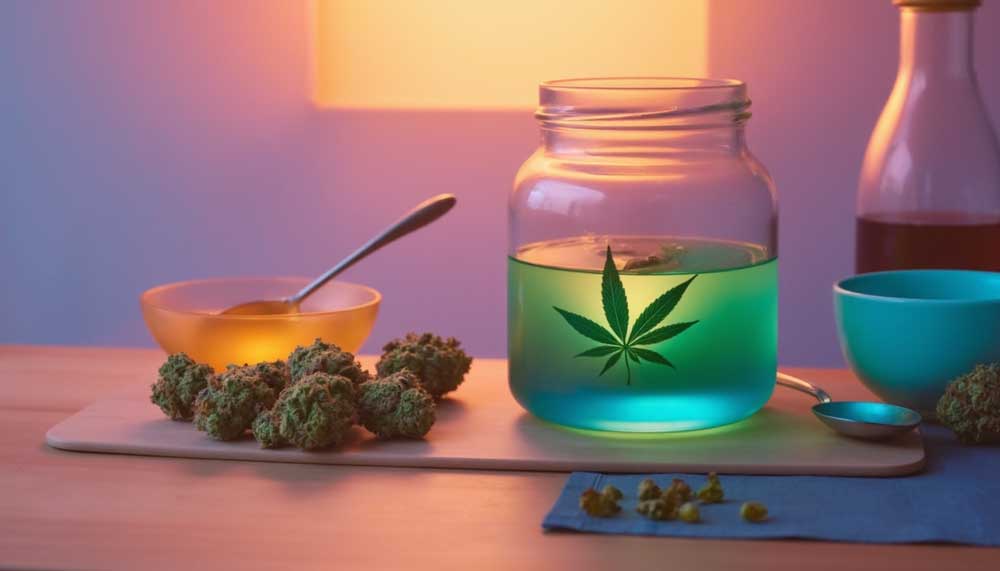
Now comes the fun part of how to make cannabis oil: the infusion. You’ll combine the decarbed cannabis with your chosen oil and heat it slowly to extract the cannabinoids.
Method A – Double Boiler:
Method B – Slow Cooker:
Both methods will result in a fragrant, golden-green oil rich in cannabinoids.
Once the infusion is complete, let it cool a little. Then:
Your cannabis oil is now ready to use!
Now that you know how to make cannabis oil, let’s explore some of the most common ways to use it. Homemade cannabis oil is super versatile, and it all depends on the strain, the oil you used, and your personal goals.
You can use cannabis oil to make cookies, brownies, gummies, salad dressings… you name it. Just replace part of the oil or butter in your favorite recipe with your infused oil.
Important: Start with small doses. Edibles hit differently and take longer (30–90 minutes) to kick in.
Place a few drops under the tongue for fast absorption and a more controlled dose. This method is ideal if you’re using cannabis for relaxation, sleep, or mild pain relief.
Use a dropper bottle for easier dosing and start with 0.25–0.5ml until you know your tolerance.
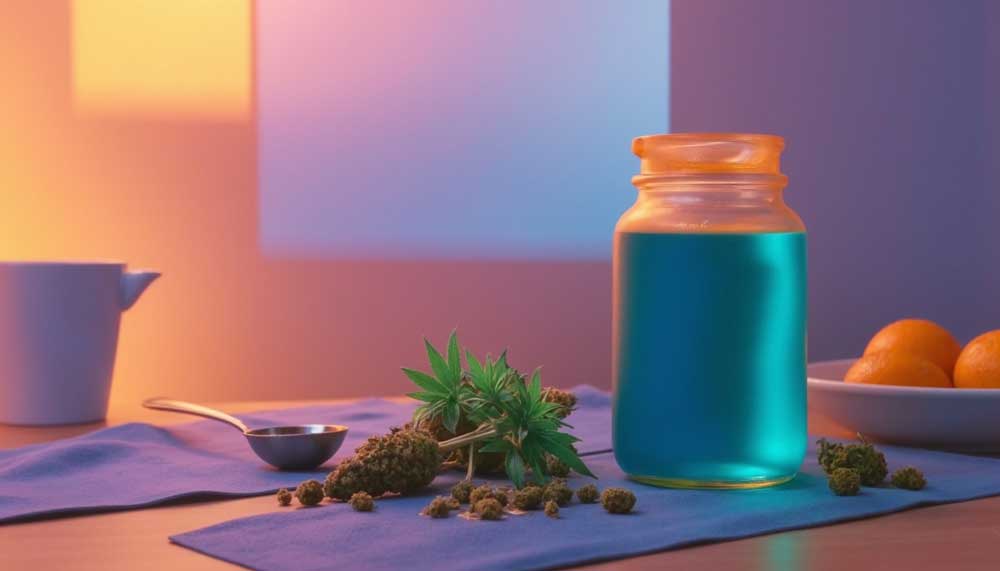
Mix your cannabis oil into creams, balms, or massage oils for localized relief. Great for inflammation, sore muscles, or skincare.
You can also pour your oil into gelatin capsules for DIY cannabis pills. They’re discreet, easy to store, and good for consistent dosing—especially for medical users.
Dosing homemade oil isn’t an exact science unless you lab-test it—but here’s a simple tip:
Tip: Keep a journal! Write down what strain you used, how much cannabis, how much oil, and how you felt afterward.
Learning how to make cannabis oil is one of the most rewarding skills for any cannabis enthusiast. It gives you full control over the strength, flavor, and ingredients—plus, it’s surprisingly simple once you get the hang of it.
Whether you use it in edibles, tinctures, or topical, cannabis oil can easily become your go-to DIY extract. Just remember: start low, go slow, and always label your batches.
Ready to take your homemade cannabis oil to the next level? Make sure you’re using the right strain—check out our full seed catalog for the best oil-producing varieties.
When stored properly in a dark, airtight container, cannabis oil can last up to 2–3 months at room temperature or even longer if refrigerated.
Yes. If you skip decarboxylation, your oil will have little to no psychoactive effect because the THC and CBD won’t be activated. This step is essential in how to make cannabis oil properly.
Coconut oil is a favorite because of its high fat content, which helps absorb more cannabinoids. Olive oil and MCT oil are also great choices depending on your use case (cooking, drops, capsules).
Absolutely. You can use simple tools like a baking tray, saucepan, mason jar, and cheesecloth. A double boiler setup helps regulate temperature more easily, but it’s not mandatory.


What is the relationship between CO2 and plant growth?, How does carbon dioxide supplementation affect plant development?, What are some methods used for CO2 enrichment in plant cultivation?
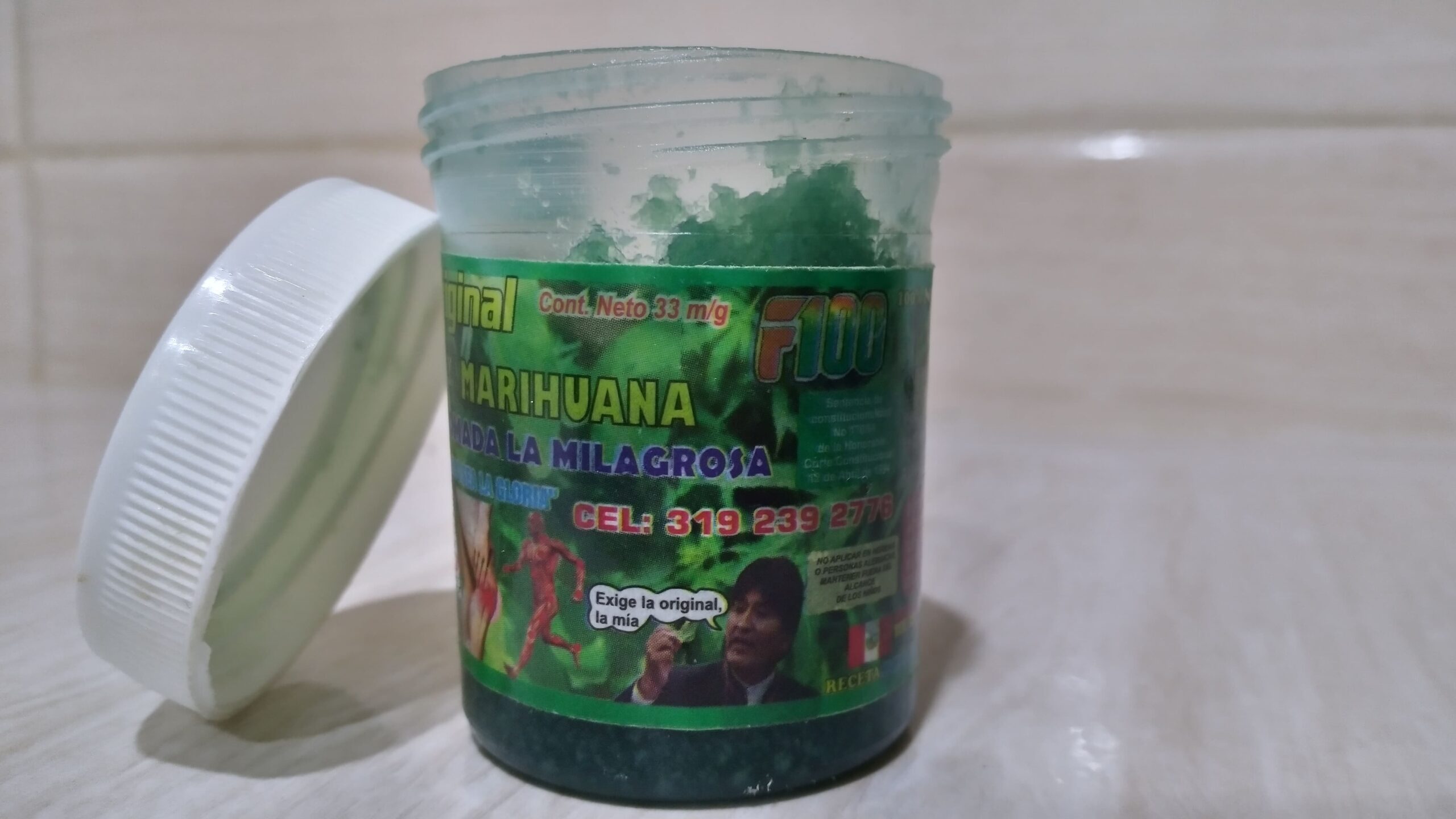
Uncover the historical and cultural significance of marijuana creams and salves, their journey from ancient medicine to modern therapeutic use, and the challenges and opportunities in the evolving legal landscape. Learn about their efficacy, varieties, and impact on the global market.
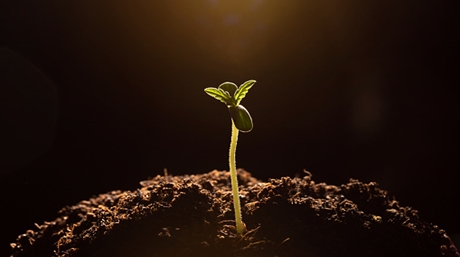
Sprouting is the beginning of life for your cannabis plant, and it is important to understand how it works. This guide will discuss the different ways of sprouting your cannabis seeds and some of the strategies to help you to achieve the best results.