How reviews are checked
Both Kiyoh and eKomi invite customers to leave a review after an order. Kiyoh states that it checks reviews for authenticity. The Kiyoh score covers all our reviews to date; the eKomi score covers the last 12 months.
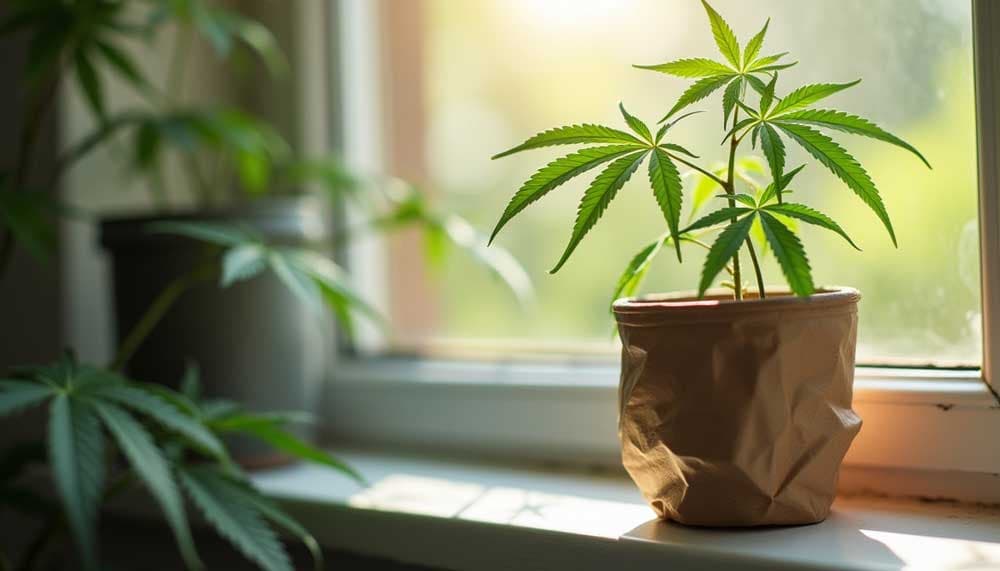
How to Grow Weed at Home Without Equipment: Simple and Cheap
You can grow cannabis without a tent, lights or fans. What you need is a sunny spot, a pot with drainage, decent soil and a seed that suits the conditions. What you give up is control and, usually, yield. This guide shows how to make the most of a simple setup, and where it tends to go wrong.
One thing first: growing at home is illegal in many countries and only allowed within limits in others. Check the rules where you live before you plant anything.
Pick a seed that forgives mistakes
With no equipment to correct problems, the genetics have to do more of the work. Autoflowering seeds are the easiest choice: they flower on their own schedule rather than on day length, finish quickly and stay compact. Our guide to autoflower facts explains how they behave. They also finish quickly, which suits short northern summers and a windowsill or balcony grow. Browse our autoflower seeds to compare sizes and flowering times.
What you need
- A pot with drainage holes. A plain plastic pot or bucket works. Without drainage, water collects at the bottom and the roots rot. Start in a modest pot and move the plant to a larger one as it grows, as far as your space allows.
- Light, airy soil. Ordinary potting soil mixed with some perlite drains better than heavy garden soil. See our guide to the best soil for cannabis.
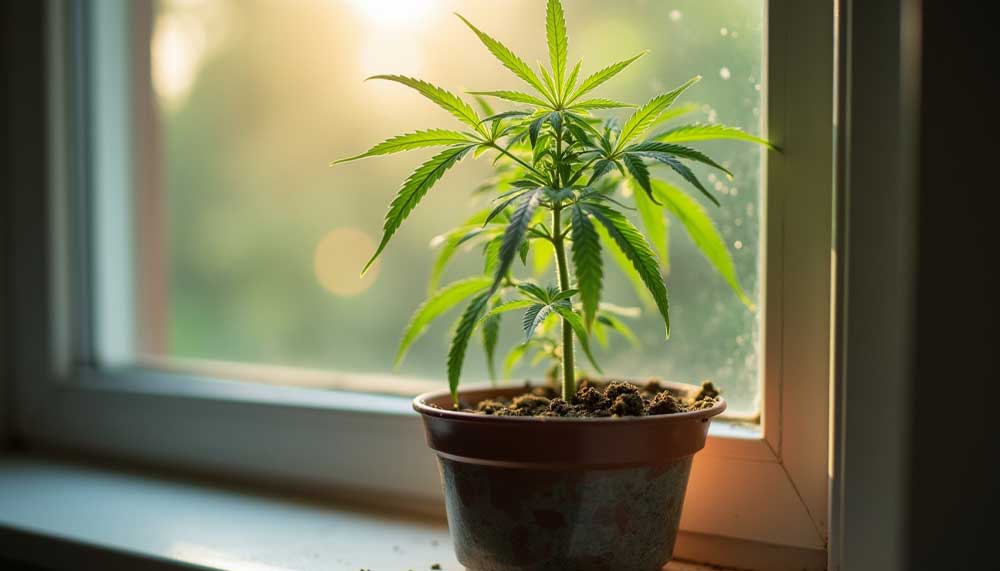
- Sun. The more direct sunlight the plant gets, the better. A south-facing window, balcony or terrace (north-facing in the southern hemisphere) is the best spot, and a white wall or reflective board behind the plant helps a little. Behind glass, light is weaker, so expect a smaller plant.
- Water. Tap water is usually fine. Let it stand for a while if it has a strong chlorine smell, and avoid softened water because of the salt.
Step by step
1. Germinate the seed
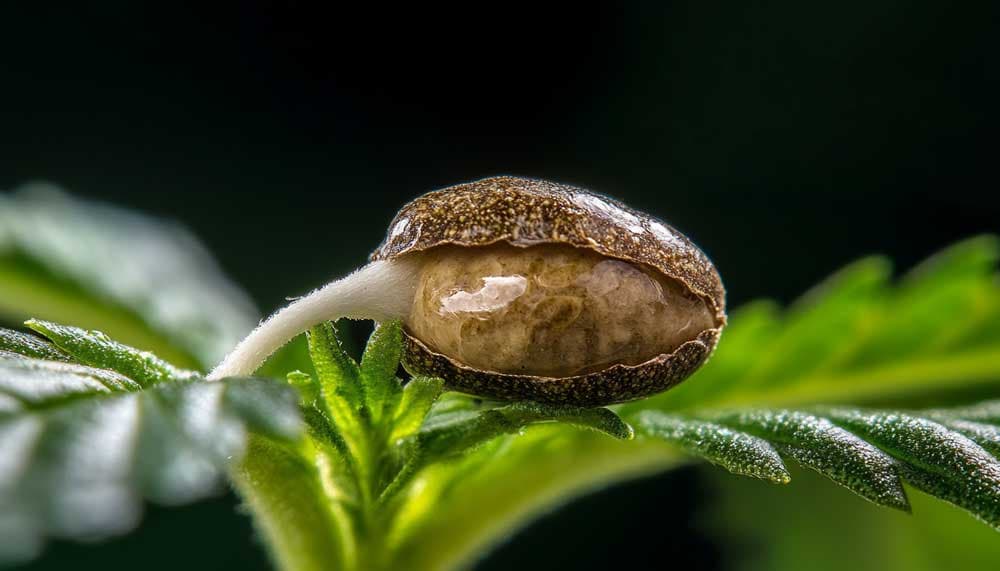
Put the seed between two damp paper towels on a plate, cover it loosely and keep it somewhere warm and dark. When the taproot is visible, usually within a few days, plant it about 1 cm to 2 cm deep with the root pointing down. Some seeds take longer, so give them a week before you worry.
2. Water carefully
Overwatering is one of the most common mistakes in a no-equipment grow, because there is little airflow to dry the soil. Keep the seedling's soil lightly moist. Once the plant is established, water only when the top layer is dry and the pot feels light. Water slowly until a little runs out of the bottom, and empty the saucer afterward.
3. Give it air
Open the window each day for fresh air, and turn the pot a little every day or two so the plant does not lean toward the light. A light brush with your hand now and then imitates wind, which many growers believe helps build a sturdier stem.
4. Add support
A top-heavy plant in flower can fall over. Tie the main stem loosely to a stake or bamboo stick with soft string, and never so tight that it cuts into the stem.
Light and temperature
Sun is free, but you cannot switch it on or off. Plants stretch and get thin when the light is poor, so move them closer to the window or outside when the weather allows. Cannabis does best in comfortable room temperatures and suffers from sudden swings and cold drafts. Keep the plant away from radiators and from windows that get very hot at midday. If you also grow indoors with lamps, our guide to lighting for indoor growing explains what you gain by adding one. Some growers also plan around the moon, which is covered in our article on growing cannabis by the moon.
Feeding on a budget
Good potting soil usually contains enough nutrients for the first weeks. After that, a plant in a pot will need feeding. Home remedies such as banana peel water, crushed eggshells or coffee grounds are popular, but their effect is unproven for cannabis, and they can bring fungus gnats or mold if used carelessly. If you want predictable results, a small bottle of ready-made organic plant food is cheap and easier to dose. Avoid anything with salt, sugar or oil. Used in moderation, compost mixed into the soil is a sensible and cheap choice.
Mistakes to avoid
- Overwatering. See above: it kills more home plants than anything else.
- Too little light. A shady spot gives you a weak, stretched plant.
- Sudden temperature swings. Plants on a windowsill can get very cold at night in winter or very hot in summer.
- Harvesting too early. Look at the trichomes (the small resin glands) with a magnifier. When most are cloudy and a few turn amber, the plant is usually ready. Harvesting early usually gives a weaker effect.
What to expect
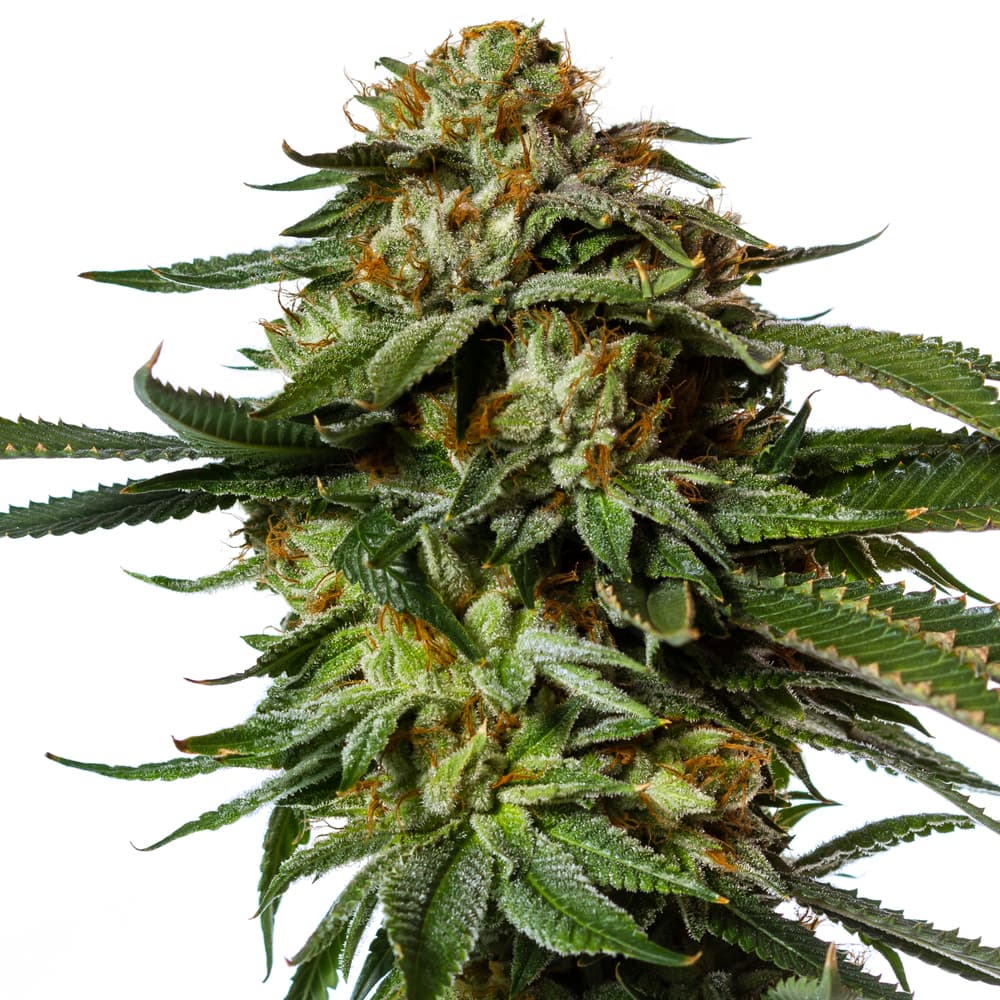
Be realistic. A plant in a small pot on a windowsill gives a modest harvest and stays compact. Yield depends on the genetics, the amount of sun, the pot size and your care, and we cannot give a number that holds for every plant. Quality can still be good: potency depends heavily on genetics, though light, stress and harvest timing matter too.
If you later want to get more out of the plants, edible recipes are a good way to use even small harvests, and our tips for making THC edibles are a place to start. To pick the right seed, see all our cannabis seeds.