How reviews are checked
Both Kiyoh and eKomi invite customers to leave a review after an order. Kiyoh states that it checks reviews for authenticity. The Kiyoh score covers all our reviews to date; the eKomi score covers the last 12 months.
Sativa Seeds
How reviews are checked
Both Kiyoh and eKomi invite customers to leave a review after an order. Kiyoh states that it checks reviews for authenticity. The Kiyoh score covers all our reviews to date; the eKomi score covers the last 12 months.
Sort by
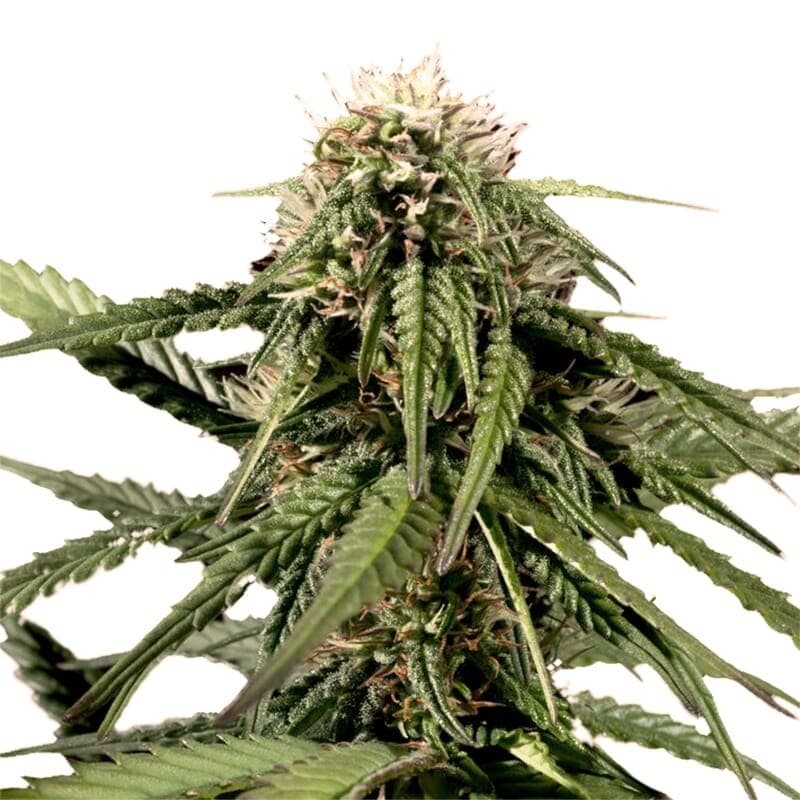
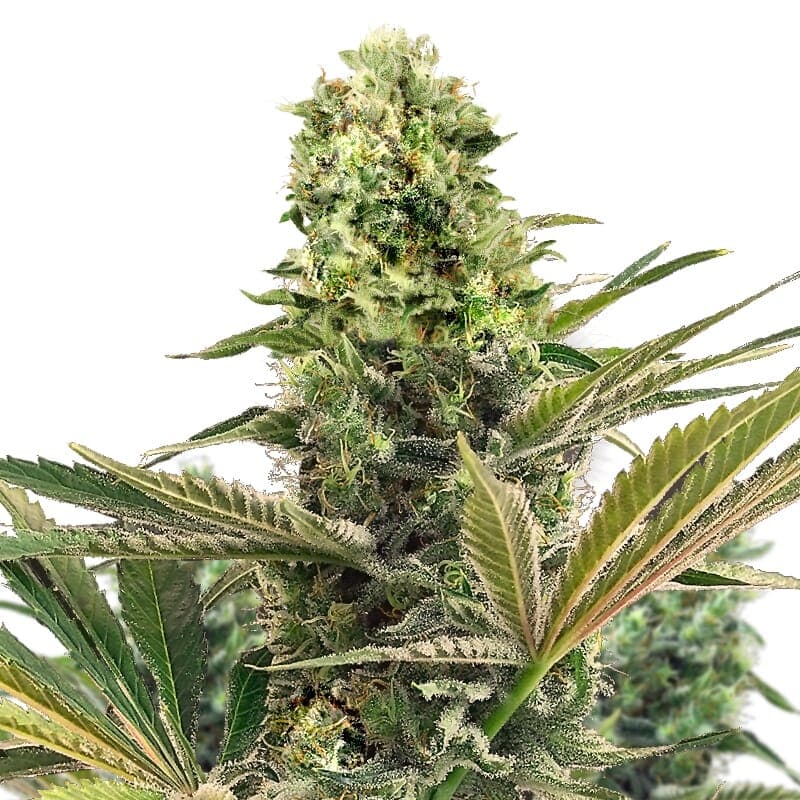
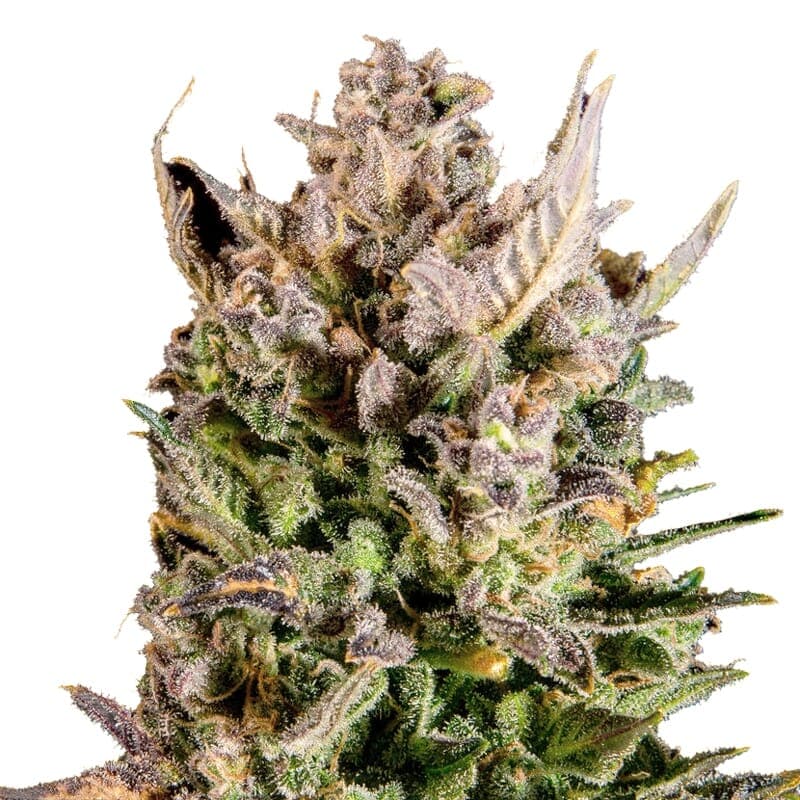
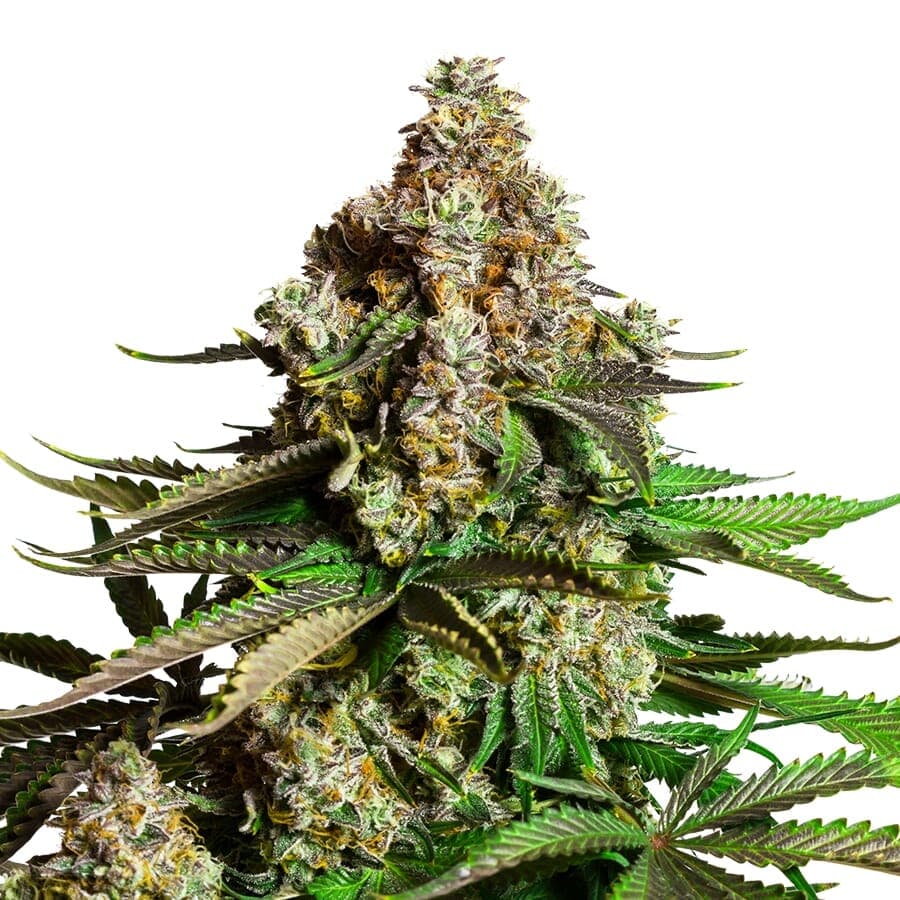
Sativa seeds grow tall, narrow-leaved plants that take longer to flower than indica. Many growers like their light, fruity or sharp flavors, though terpenes vary by strain. We stock a wide range of sativa strains, many of them feminized, with THC level, flowering time and plant size on every product page, so you can match a strain to your space.
Sativa seeds are prized for an uplifting, energetic high rather than the heavy body effect associated with indica — a difference that comes from the plant's genetics as much as its effects, and it shows up in how the plant grows, not just how it makes you feel. Whether you're searching for sativa weed seeds, sativa cannabis seeds, or sativa marijuana seeds, they're all the same category: tall, thin-leaved plants bred for a clear-headed, energizing high.
Uplifting, Energizing Effects
Sativa genetics are associated with a cerebral, energizing effect — more alert and creative than sedating — which is why sativa seeds are typically favored for daytime use, socializing, or any activity where you want to stay active rather than settle in for the evening. It's the opposite profile from indica, and picking between the two usually comes down to when and why you're using the finished flower.
Tall Plants and Longer Flowering Times
Sativa plants grow taller and lankier than indica, often stretching significantly during flowering, with thinner leaves and a longer flowering period that can run 10-14 weeks depending on the strain. That extra height and time reward growers with vertical space and patience — greenhouses and open outdoor plots suit sativa well, while an indoor grow may need training techniques like topping or LST to keep plants manageable under a fixed ceiling height.
Feminized Sativa Seeds Available
Most of our sativa seeds are also available in feminized form, so you get the sativa growth pattern and effects described above without needing to identify and remove male plants partway through the grow — a useful combination for anyone who wants sativa's energizing effects without the extra sexing work regular seeds require.
What is a sativa cannabis plant?
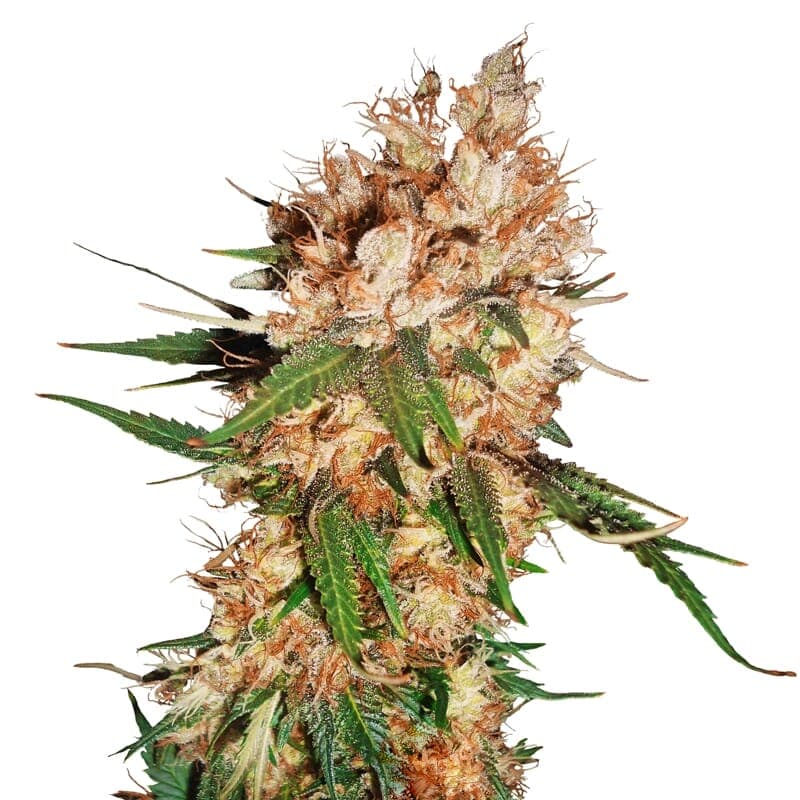
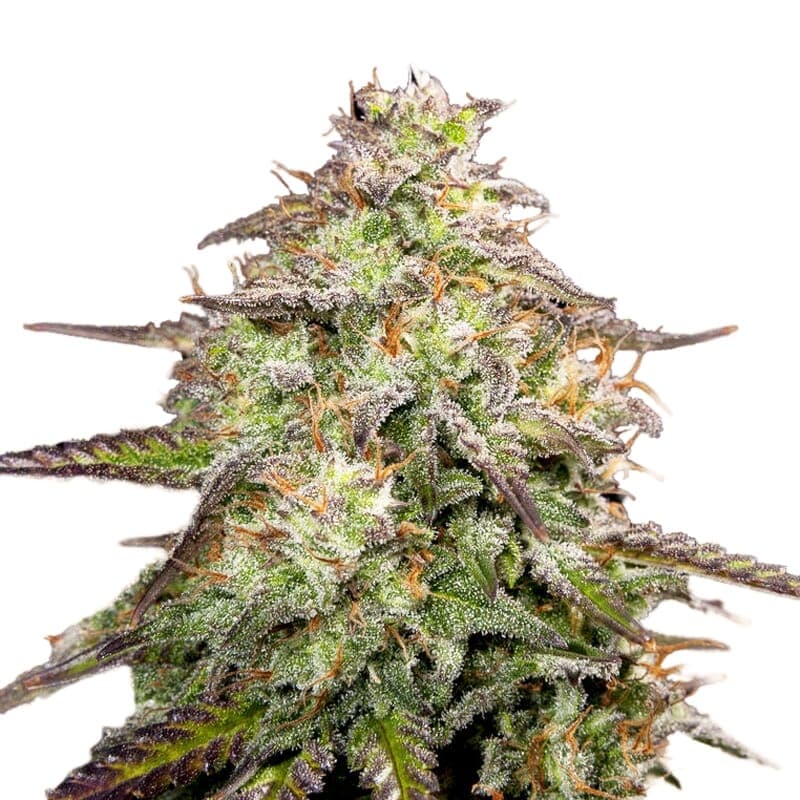
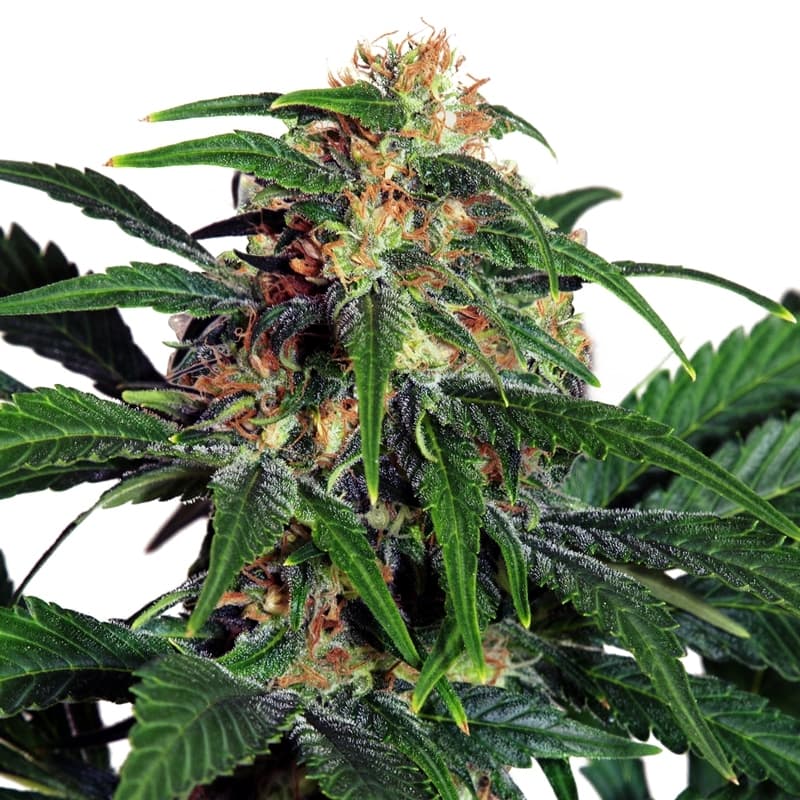
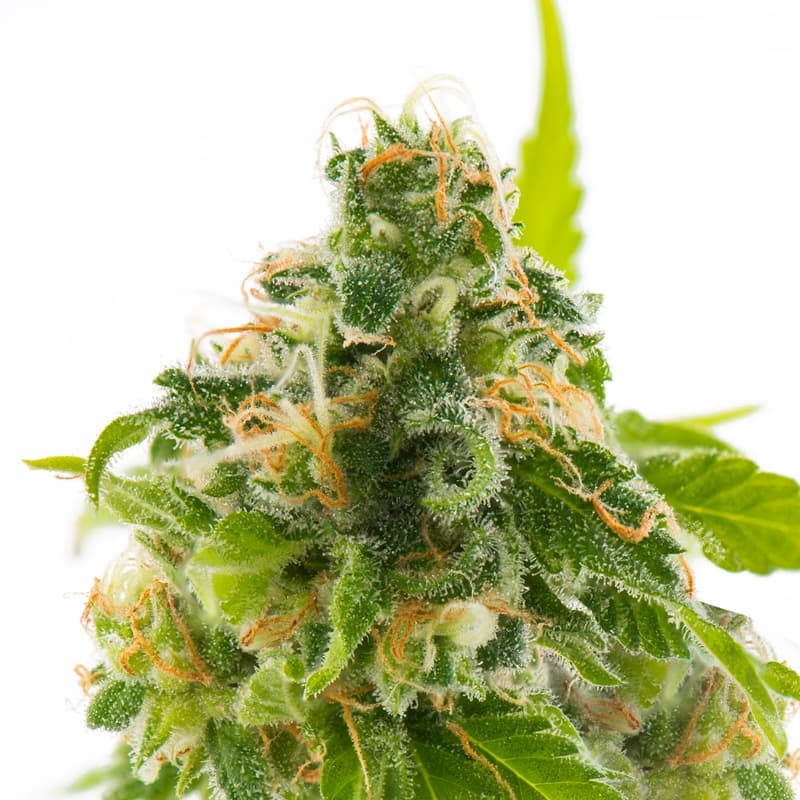
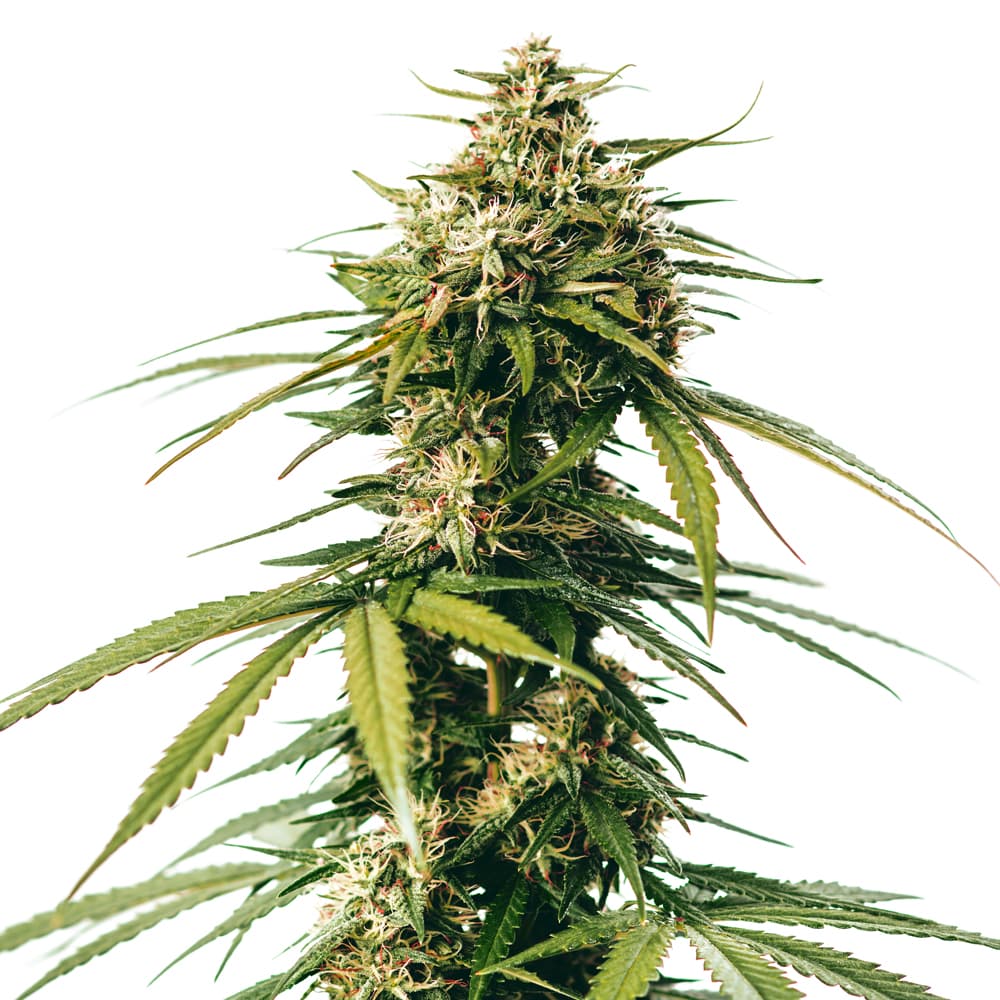
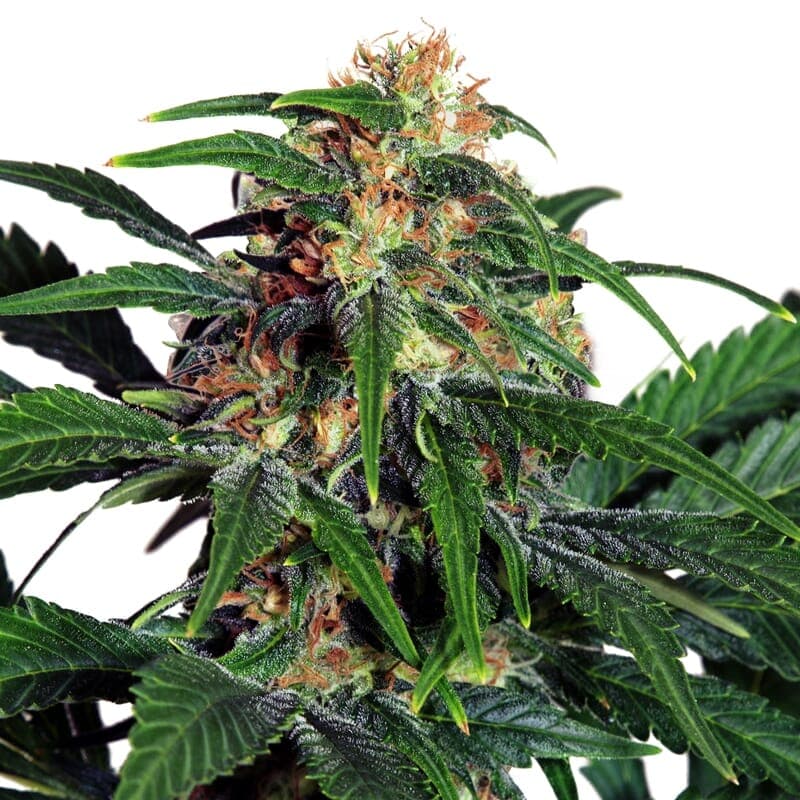
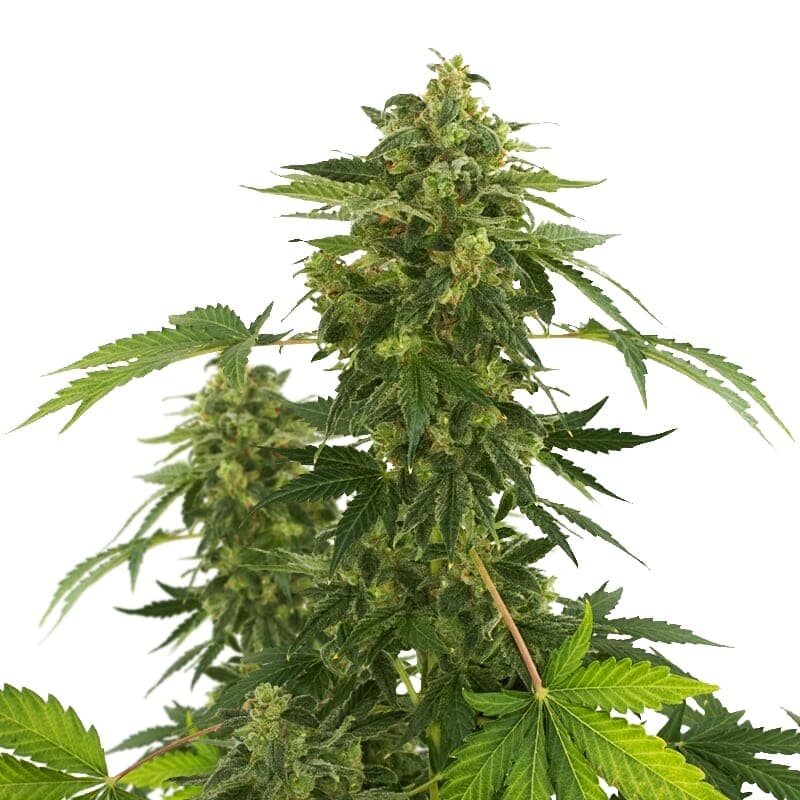
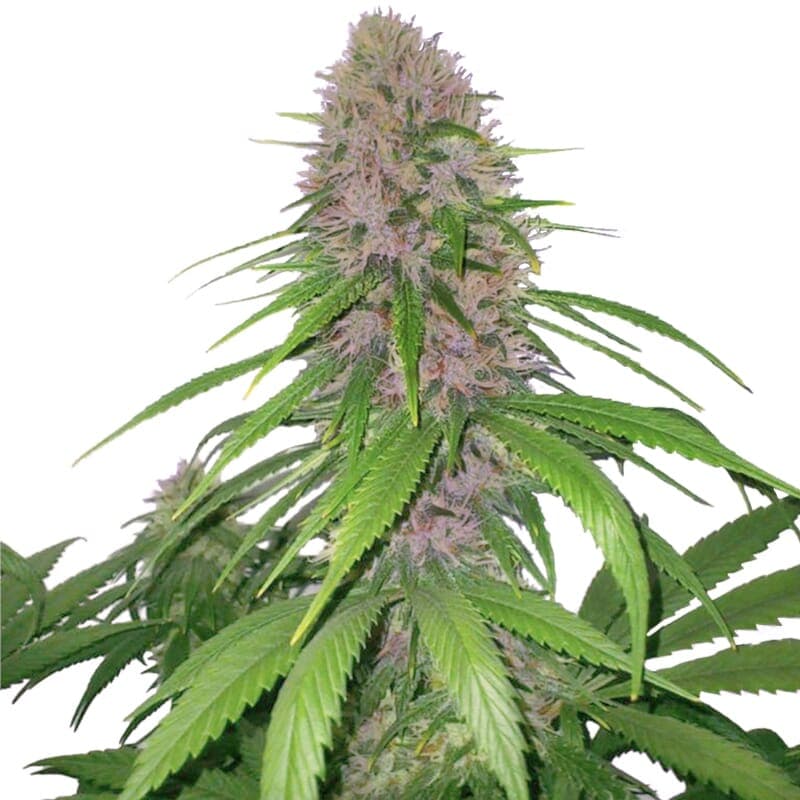
Sativa cannabis comes from warm regions near the equator, and the plants have adapted to long, hot seasons. They grow tall and slender, with narrow leaves and widely spaced branches. Indoors that shape is a challenge, because a sativa can double or even triple in height after you switch to flowering.
Outdoors it is an advantage, since the plant has room and sun to stretch.
Sativa seeds for sale
Our sativa range is a broad mix of tall, average and compact plants. THC is shown as an "up to" figure, and most strains sit between 20 and 24 percent. Difficulty is mostly moderate, with some easier strains and a few for experienced growers.
Flowering times are split between fast (6 to 10 weeks) and average (8 to 12 weeks), with a few at 10 to 16 weeks. Browse the strains here, or start with Strawberry Ice feminized, a tall sativa rated moderate, or AK-47 XTRM feminized, rated easy to moderate.
Pure sativa or sativa-dominant seeds?
Product pages list the seed type as Sativa, Indica or Hybrid. A Sativa label tells you how the plant grows, not that its genetics are a documented 100 percent sativa. Check the description for the cross, and for the exact lineage when a strain matters to you.
If you are choosing between plant types, compare our indica seeds and hybrid seeds.
Is sativa or indica stronger?
Neither, by label alone. THC is listed per strain, and a sativa can sit lower or higher than an indica. How a strain feels depends on its full chemistry, including terpenes, and on the person, not on the word sativa or indica. Compare the THC figures on product pages rather than the type.
Feminized and autoflower sativa seeds
Many sativas come as feminized seeds, so you do not have to remove male plants. Some sativas are autoflowers, which keep the plant smaller and the schedule shorter, although they will not match a full-size photoperiod sativa.
High THC sativa strains
If strength matters most, filter for the highest figures in our high THC category. Read the figure on each product page, because a high THC rating is the breeder's ceiling and the result depends on your grow.
Which sativa families are worth knowing?
Haze is the best-known sativa family, and its hybrids are common in the catalog, for example Limoncello Haze autoflower. Other sativas trace back to landraces from Thailand, Colombia and Mexico. Strain names often give a hint, and the description on the product page says more about the parents.
What do terpenes have to do with sativa?
Terpenes are the aroma compounds in cannabis, and they give a strain its smell and flavor: citrus, pine, earth, spice. Sativa strains are often described as fruity or sharp, but any type can carry any terpene. Read the flavor field on a product page rather than relying on the type.
How do you keep sativa plants short indoors?
Train early and switch to 12/12 sooner than you would with an indica. Topping the main stem, tying branches down with soft ties and spreading them under a screen of green (a net that holds the branches level) all help. Keeping the vegetative stage to two or three weeks also holds the height down.
A tent at least 1.8 meters (about 6 feet) tall is a sensible minimum for most tall sativas.
How long should a sativa stay in the vegetative stage?
Short, usually. Because a sativa roughly doubles in height after the switch to 12 hours, many indoor growers flip the lights after two to three weeks. Outdoors, let the plant veg as long as the season allows, then follow the sun. A longer veg gives a bigger plant but needs more height and more patience.
Which climate suits sativa seeds?
Outdoors, sativas do best in a warm climate with a long season, such as the Mediterranean or any region with a hot, dry summer. That also describes parts of the southern United States and Australia. In cooler areas, choose a strain with a shorter listed flowering time, or grow in a greenhouse.
Buying sativa seeds from the US, UK or Australia
You can buy sativa seeds from our Amsterdam seed bank. The payments and shipping page explains how orders reach different countries, and the shipping terms cover the rest. Check your local law before you order.
New growers can still work with sativas if they choose a strain rated easy and give the plant room. Our germination guide and grow guide cover the basics, and the germination guarantee covers seeds that fail to sprout.
Frequently asked questions
Sativa plants are among the tallest cannabis plants, and they often stretch to double their height or more once they start to flower. Training and a shorter vegetative stage keep them manageable indoors. Outdoors they can grow several meters tall in the right climate and with enough root space.
Our sativa strains are listed at 6 to 10 weeks for the fast group, 8 to 12 weeks for the average group, and a few take up to 16 weeks. That is on top of the vegetative stage, and outdoor harvests tend to fall later in autumn than indica harvests.
Yes, with some planning. Use training techniques like topping and low stress training, keep the vegetative stage short, and make sure your tent has enough height. Compact sativa strains and autoflower sativas are easier in small spaces than tall photoperiod ones.
Not by type alone. Terpenes give a strain its smell and flavor, and any type can carry any terpene. Sativa strains are often described as fruity or sharp, but the flavor field on each product page tells you more about a particular strain than the label does.
Sativas prefer warm weather and a long season. They do well in Mediterranean, tropical and other warm, dry climates. In cooler regions pick a faster strain or grow in a greenhouse so the plant finishes before the cold arrives. Check the climate label on each product page.
They can be, if you choose carefully. Pick a strain rated easy, preferably a compact or autoflower sativa, and give the plant enough height. Tall sativas rated moderate or expert ask for training and patience, so a beginner usually has an easier time with an indica or an easy-rated hybrid.