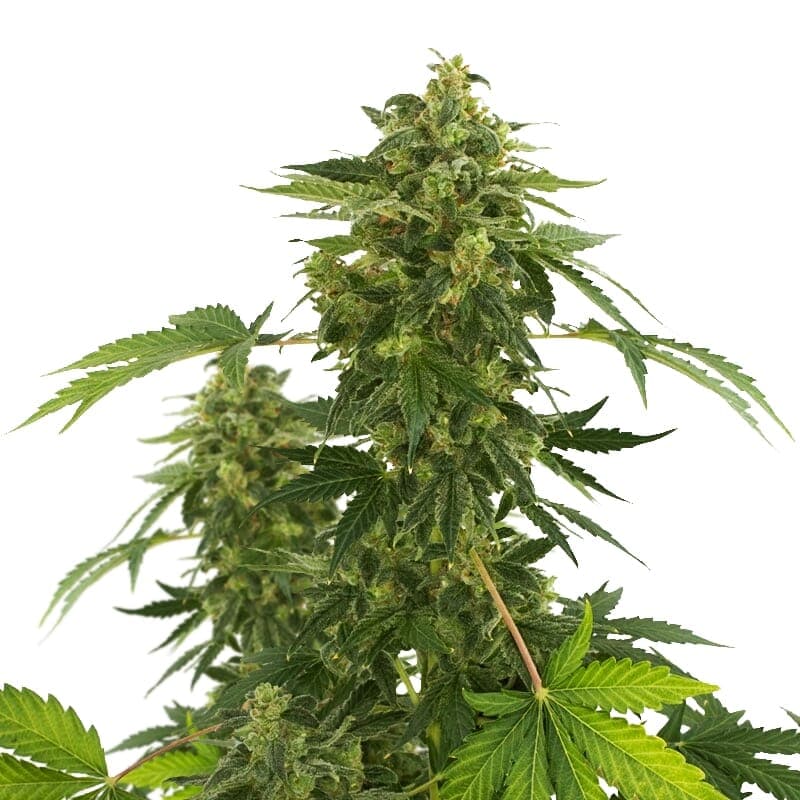
Outdoor Seeds
Updated July 20, 2026 by Amsterdam Marijuana Seeds
How reviews are checked
Both Kiyoh and eKomi invite customers to leave a review after an order. Kiyoh states that it checks reviews for authenticity. The Kiyoh score covers all our reviews to date; the eKomi score covers the last 12 months.
Sort by
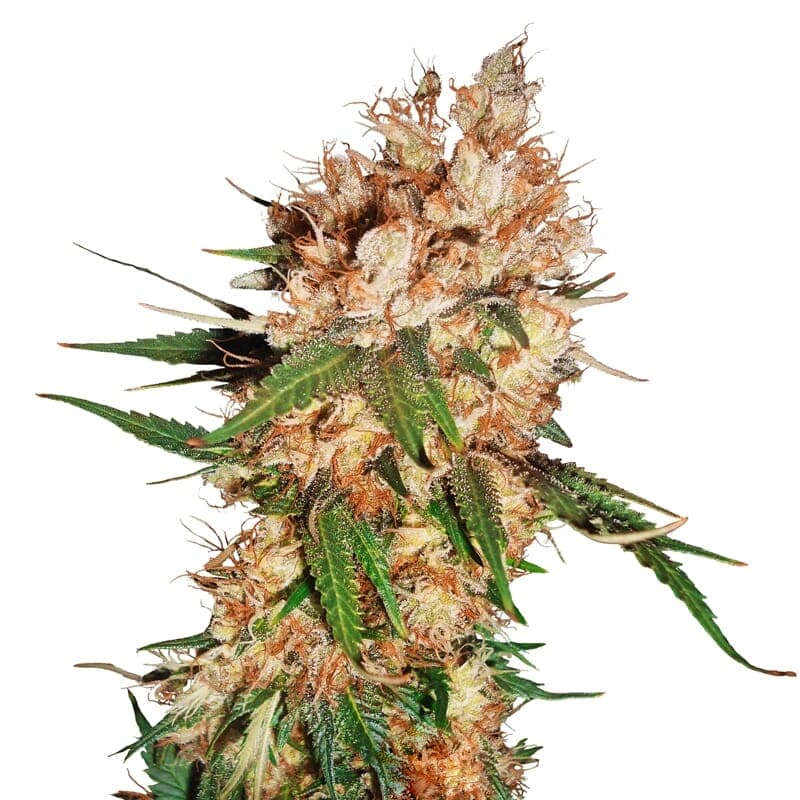
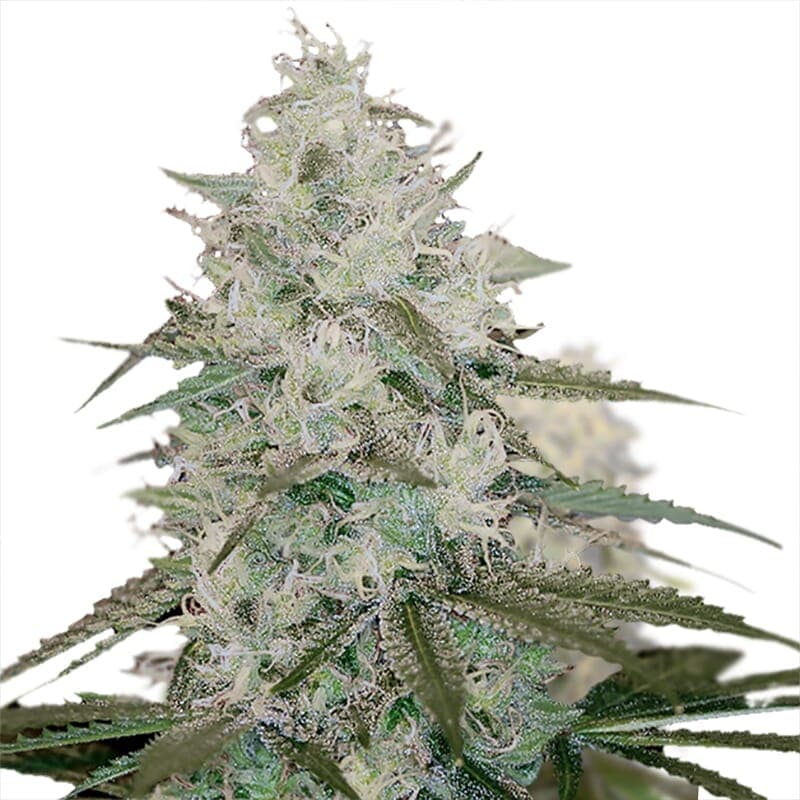
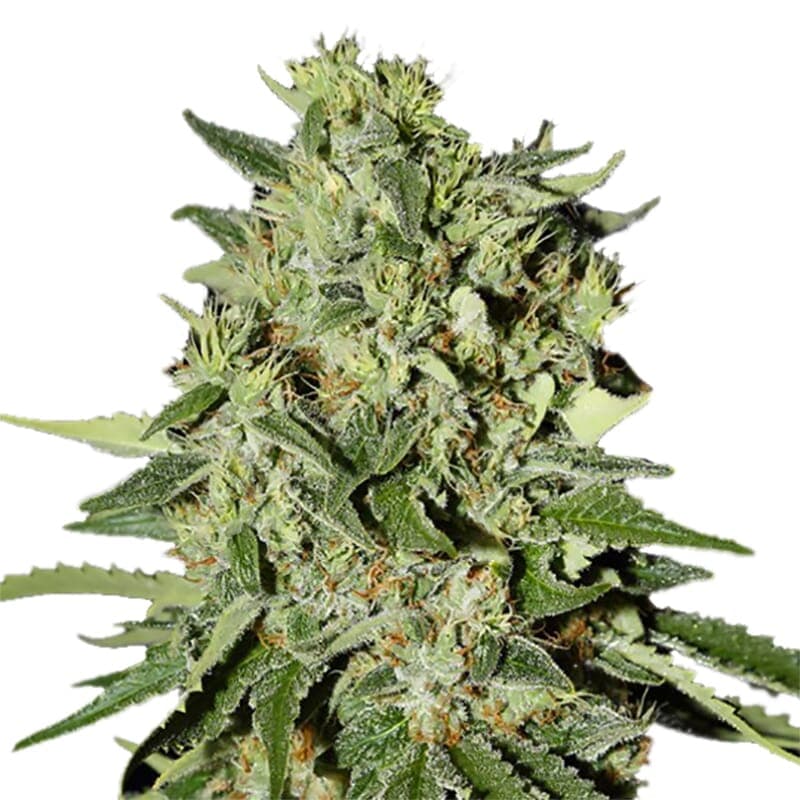
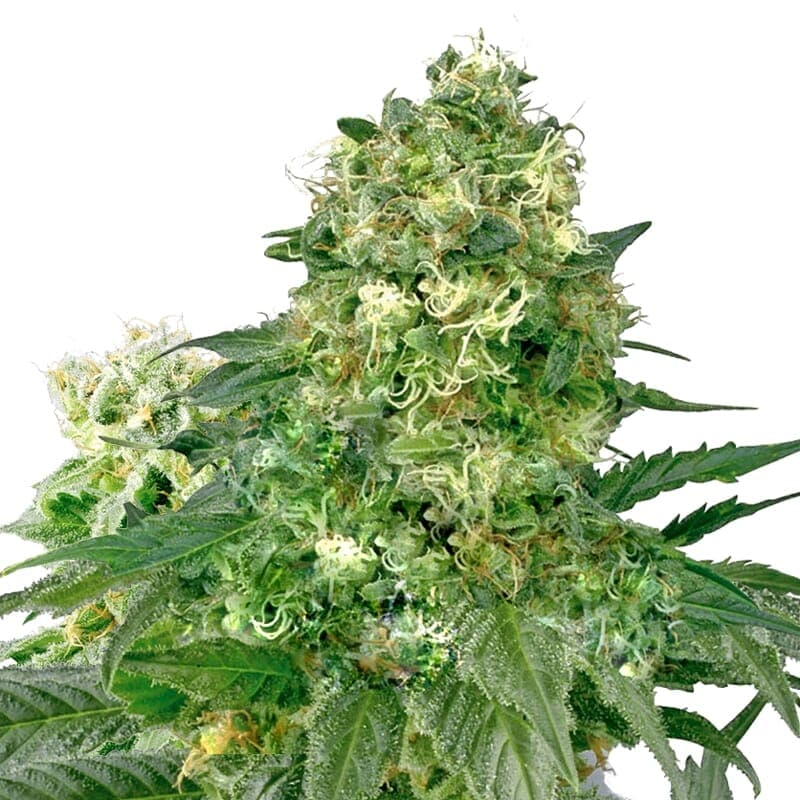
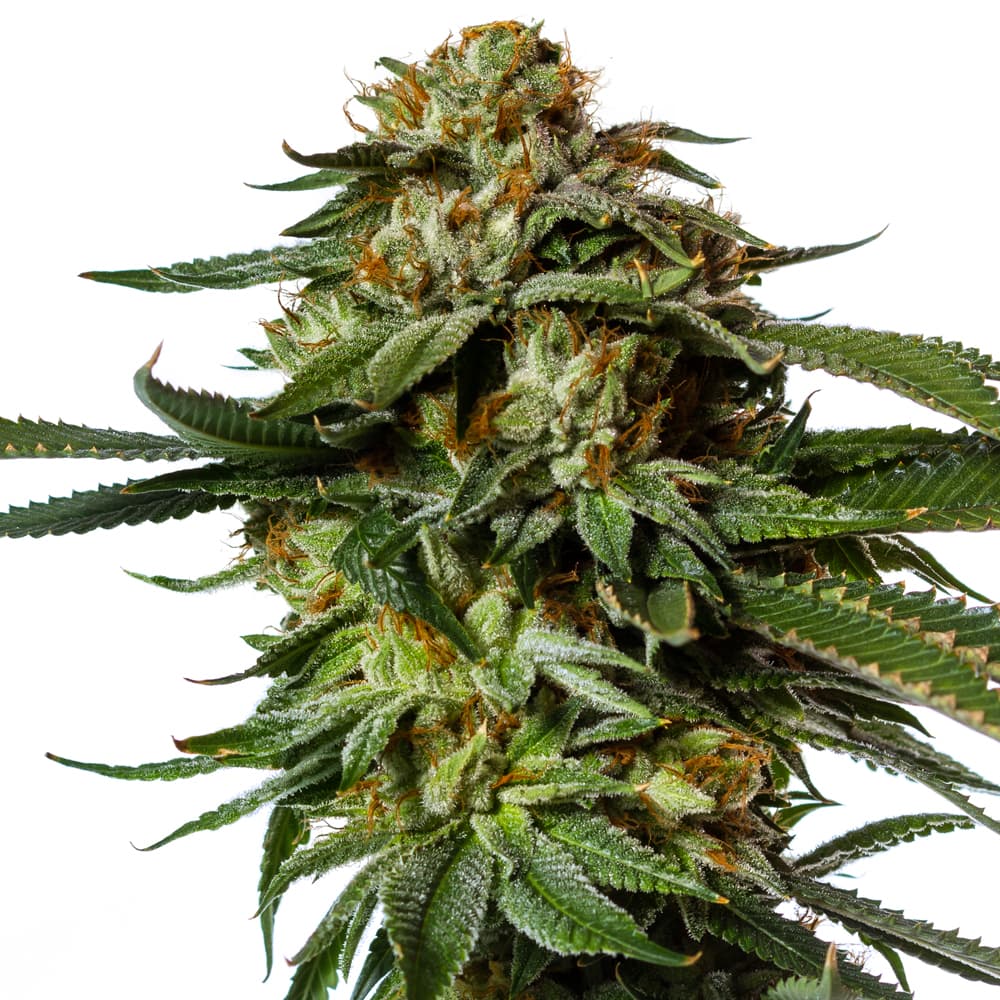
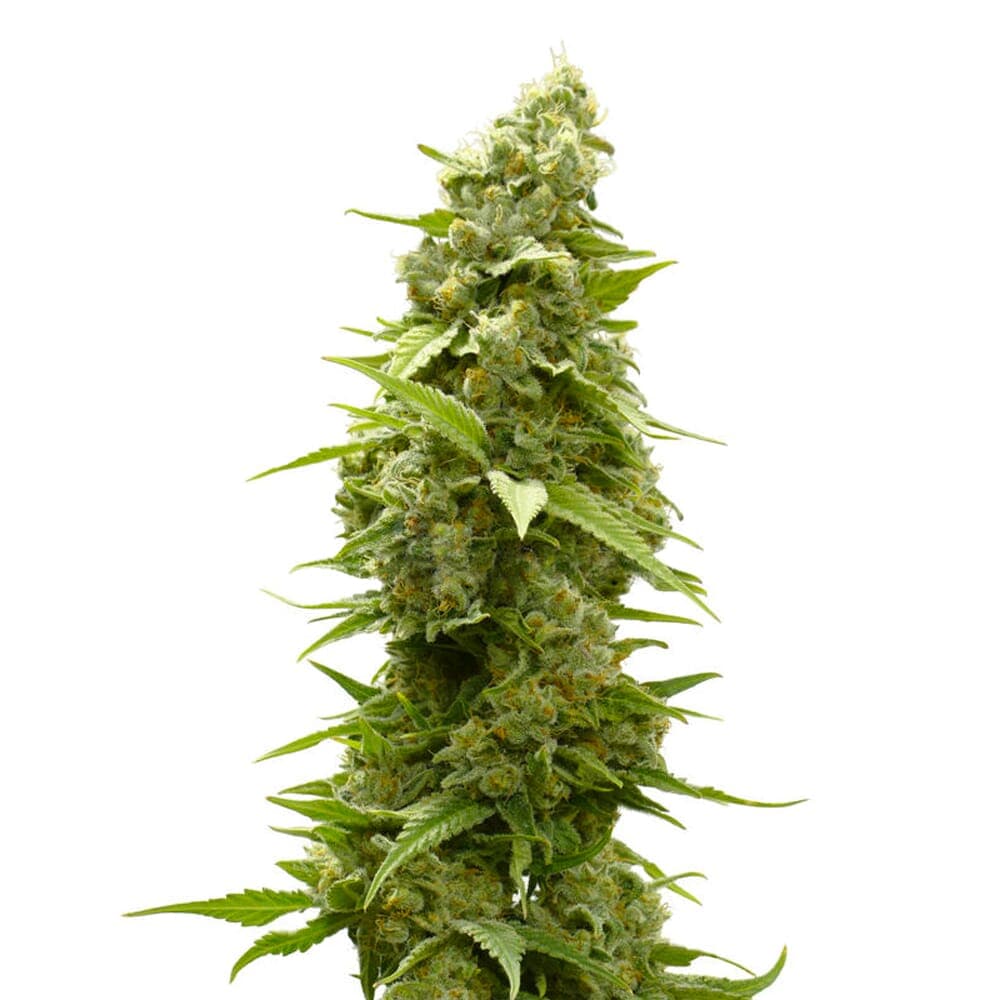
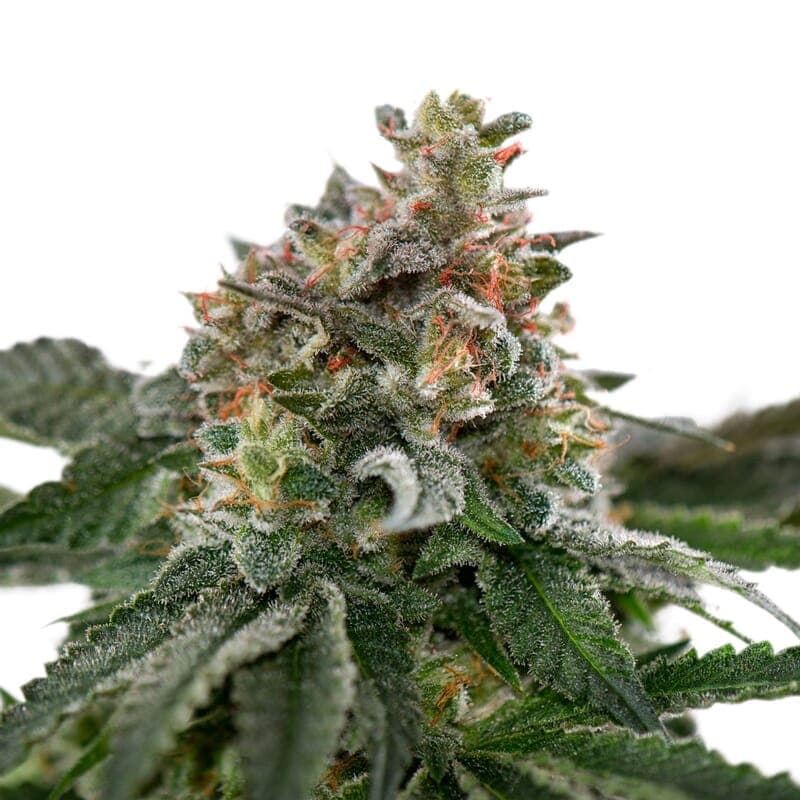
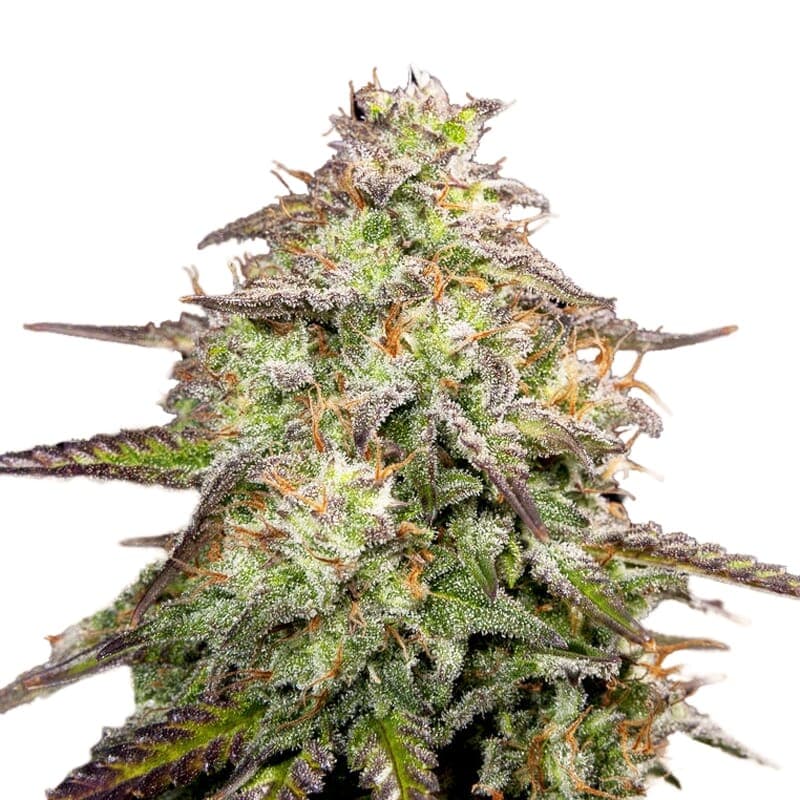
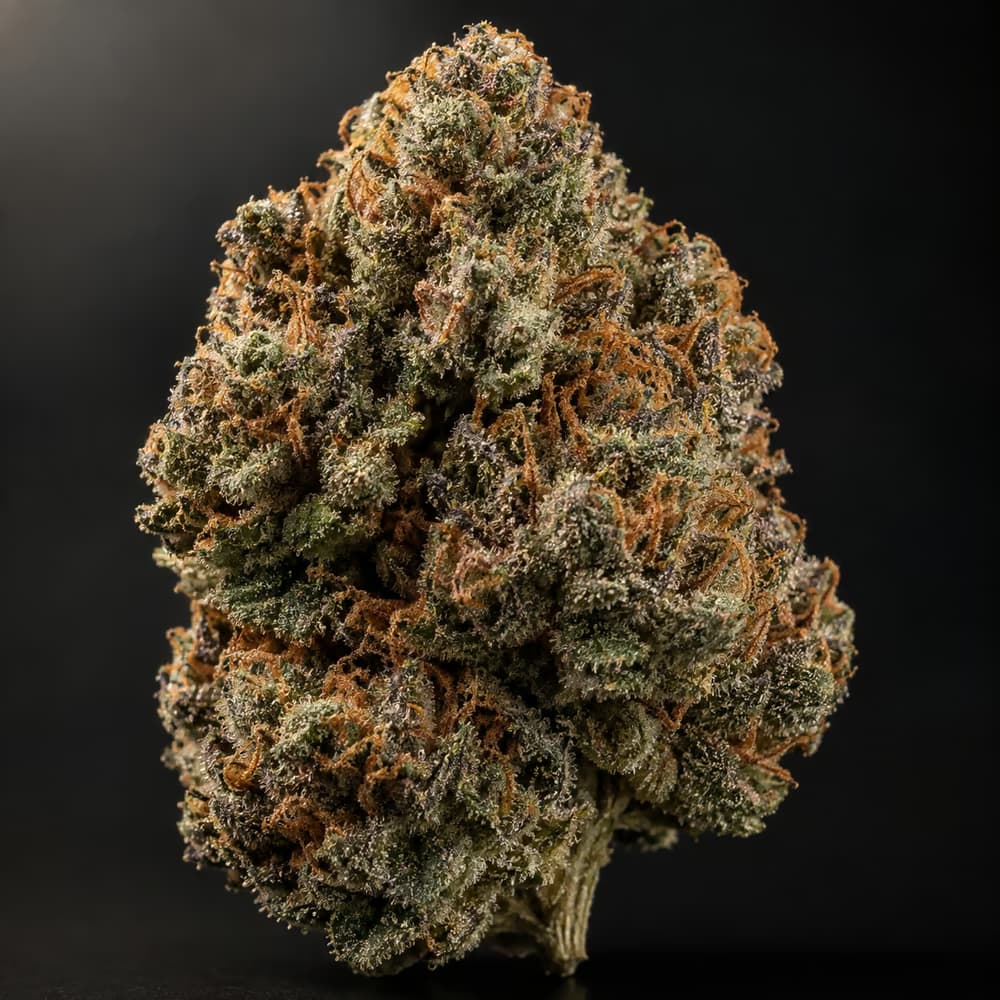
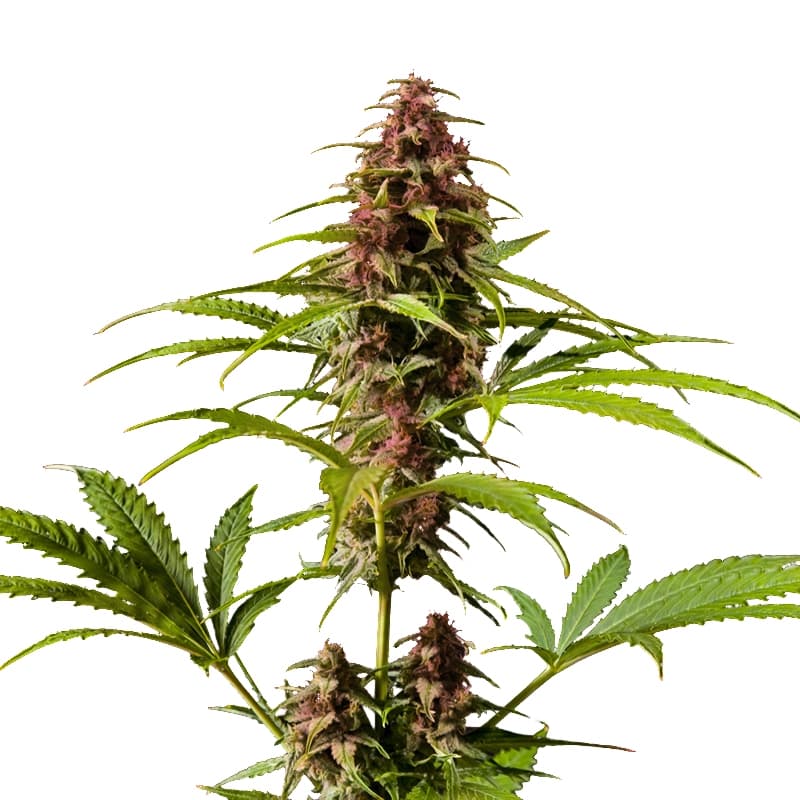
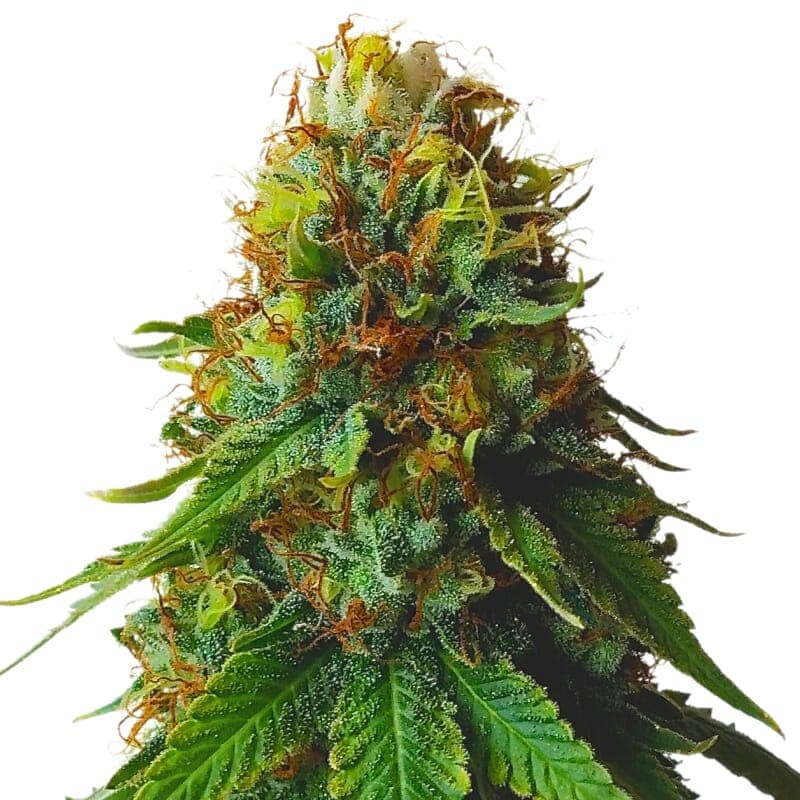
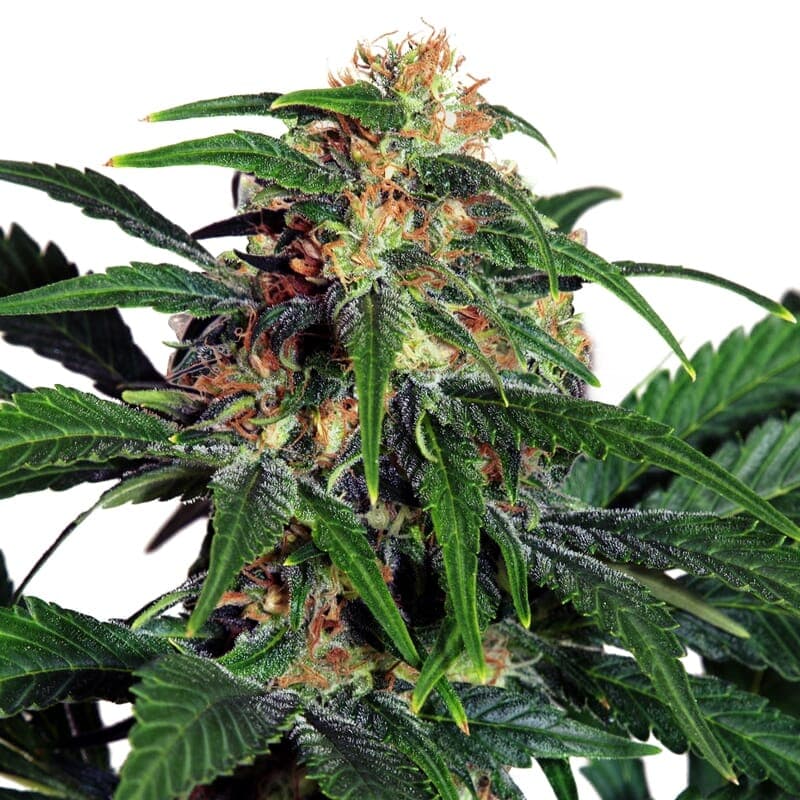
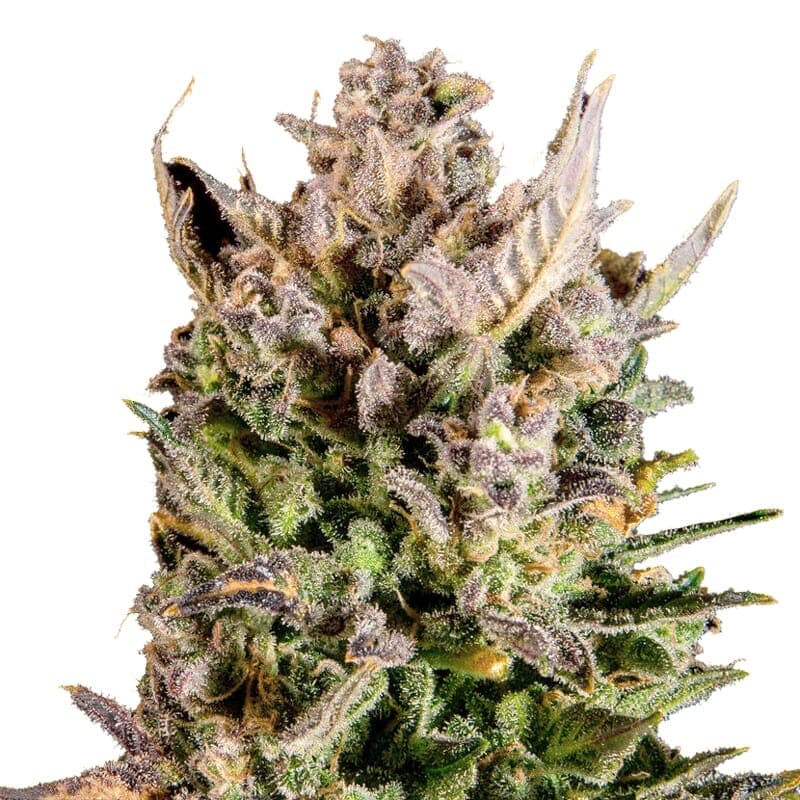
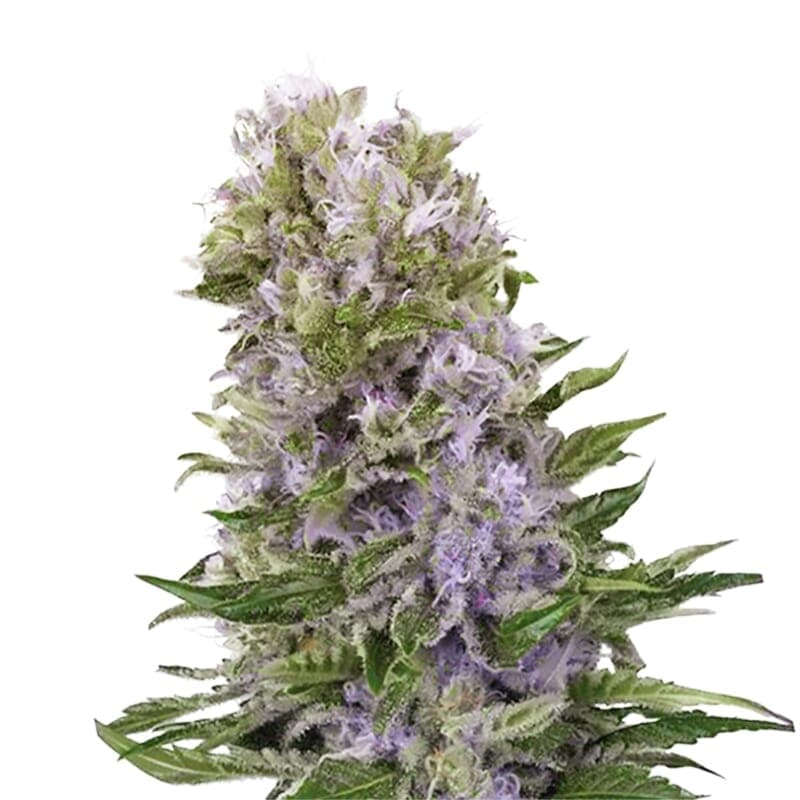
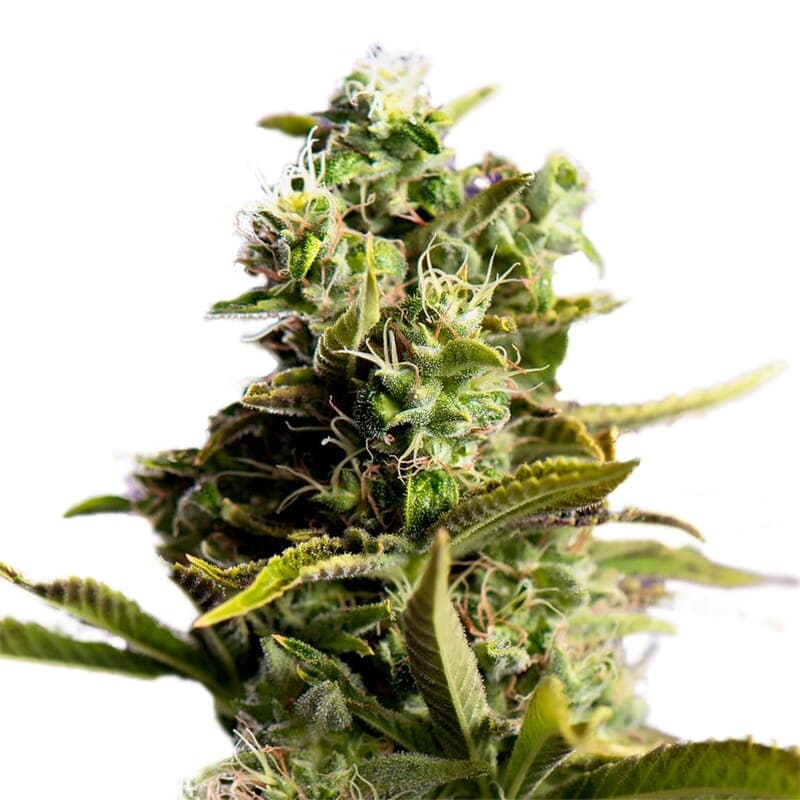
Outdoor cannabis seeds are strains that handle sun, wind and changing weather, and they can grow into large plants in open ground. Climate suitability, flowering time and plant size are listed on each product page. Pick a strain whose flowering time fits the length of your season, and plant once nights are warm. The Climate filter beside the grid narrows the list by region.
Outdoor seeds grow using free sunlight and open ground instead of tents, lights, and climate control, which is the main reason growers choose them: lower setup cost and the extra room for plants to grow much larger than an indoor space would ever allow. Whether you're after outdoor weed seeds, outdoor marijuana seeds, or outdoor cannabis seeds, they're all suited to the same style of grow — planted in spring, harvested in fall, with the sun doing most of the work.
Natural Sunlight, Bigger Plants, Lower Cost
Without a tent or grow light limiting how tall a plant can get, outdoor cannabis has room to stretch out, and a single well-grown outdoor plant can out-yield several grown in a confined indoor space. There's no electricity bill for lighting either, which is why outdoor seeds are usually the lowest-cost way into growing your own.
Timing Your Outdoor Grow With the Seasons
Photoperiod outdoor strains follow the sun, vegetating through spring and summer and flowering as days shorten into fall, so timing your planting to your local climate matters more outdoors than it ever does indoors. If you'd rather not plan around a single season, autoflower seeds planted outdoors will still finish on their own internal schedule and can fit in two or three outdoor cycles instead of one.
Feminized Seeds Recommended for Outdoor Grows
Growing outdoors puts your plants within reach of wild hemp or other cannabis pollen drifting in on the wind, which is a real risk to an otherwise seedless harvest. Outdoor feminized seeds sidestep that risk since there's no male plant involved in producing them, making feminized seeds the safer default for an outdoor grow where you don't control what's growing nearby.
Outdoor cannabis seeds for sale
An outdoor grow uses free sunlight and the whole garden for root room, so plants can grow much larger than they do in a tent. It costs less to set up than an indoor grow, since you do not need lights, a tent or a fan. The trade-offs are the weather, pests and, usually, one main harvest a year.
Most strains in this category are average-sized plants, with a good number of tall and compact ones. The majority are listed with a fast flowering time of 6 to 10 weeks, which helps in short seasons.
How do you match the strain to your climate?
Use the Climate filter beside the product grid. It offers Cold, Continental, Mediterranean, Temperate, Tropical, Warm Dry and Warm, and product pages show which climates a strain suits. In a mild or cool climate, choose a short flowering time so the plant finishes before autumn rain. In a warm, long-season climate you can use slower sativas.
Autumn humidity is a real risk for dense flowers, so strains with an open structure or an early finish handle damp weather better than tight, heavy buds.
When should you plant cannabis outdoors?
In the northern hemisphere, plant out after the last frost, often in May, and expect harvest from late September into October. In the southern hemisphere, including Australia, the calendar flips: seedlings usually go out in October or November and harvest comes around March to May.
Most growers start photoperiod seeds indoors a few weeks earlier, in April or early May in the north, so the young plants are strong when they go outside.
What are the best outdoor seeds for a short or cold season?
Choose a feminized or autoflower strain with a fast flowering time, an open bud structure and a climate label that fits yours. Indica strains finish earliest, so look at indica seeds first. Our beginner seeds collection is a good filter for easy strains.
If you want a mixed pack, Happy Outdoor Mix feminized is a mix made for outdoor gardens, and our combo packs bundle several strains together.
Which outdoor strains are easy for a first grow?
Choose a strain rated easy, with a fast flowering time and an average or compact plant size. These need less attention and finish before the weather turns. The beginner seeds collection lists easy strains, and you can combine it with the Climate filter on this page.
A first outdoor plot also needs less than you think: good soil, a sunny spot and regular checks.
Do autoflower seeds work outdoors?
Autoflower seeds do not follow the calendar. Because they flower by age, you can plant them once the nights are mild and the plant will still flower. They suit short or unpredictable seasons, and some growers fit in two rounds in one summer. Protect seedlings from frost.
Feminized or regular seeds outdoors
Feminized seeds are the usual outdoor choice, because you do not have to spend space and time on males. Outdoor growers who want to breed or collect seed can use regular seeds and keep the males well away from the females.
Containers or open ground?
Open ground lets the roots spread and gives the biggest plants, as long as the soil drains well. Containers let you move the plant away from heavy rain or into more sun. Large pots of 50 liters (about 13 US gallons) or more give an outdoor plant almost as much room as the ground.
Mix compost into the soil before planting either way.
Site, soil, pests and harvest
Pick a spot with at least six to eight hours of direct sun a day, shelter from strong wind and good drainage. Water deeply but not often so that roots grow downwards.
Caterpillars, aphids and mold are the usual problems. Check the plants every few days and remove damaged leaves. Harvest when the pistils have darkened and most trichomes are cloudy rather than clear. Near harvest, cover the plants or move pots under shelter during heavy rain.
Ordering and help
The germination guide and grow guide cover the steps in detail. If you are in the US or Australia, see payments and shipping for how orders reach you and check local law before you order. Seeds that fail to sprout are covered by our germination guarantee.
Frequently asked questions
The best outdoor strain is the one that suits your climate and your season length. Use the Climate filter and check the flowering time on each product page, and in cooler regions pick faster strains. Feminized and autoflower seeds are the most common outdoor choices.
In the northern hemisphere, plant out after the last frost, often in May, and harvest from late September into October. In the southern hemisphere, including Australia, seedlings usually go out in October or November and harvest comes around March to May. Autoflowers ignore the calendar.
Aim for at least six to eight hours of direct sunlight a day, and more is better. Choose an outdoor spot sheltered from strong wind with good drainage, because roots that stay wet do more harm than a cooler day.
It depends on the strain and the room the roots have. Average-sized strains reach 1 to 2 meters, while tall sativas can go beyond that in good conditions. Compact strains and autoflowers stay smaller, which is useful if the plants must stay out of sight.
Yes. Autoflowers flower by age, so they do not need the days to shorten. They suit short or unpredictable seasons and can fit in two rounds in one summer, but protect seedlings from frost. The plants stay smaller than photoperiod plants grown in the same soil.
In the northern hemisphere most outdoor plants are ready from late September into October, and in Australia around March to May. Go by the plant, not the date. Harvest when most pistils have darkened and the trichomes look cloudy, and before heavy autumn rain.