How reviews are checked
Both Kiyoh and eKomi invite customers to leave a review after an order. Kiyoh states that it checks reviews for authenticity. The Kiyoh score covers all our reviews to date; the eKomi score covers the last 12 months.

Jobs In The Cannabis Industry
People ask us about jobs in the cannabis industry more often than you might expect, and the answer depends heavily on where you live. Whether you can work with the plant at all is decided by national and local law, and in regulated markets, most jobs sit with licensed companies. This guide covers the main types of roles, what each one asks of you and how to approach a search without getting burned.
Check the law in your country first
Cannabis rules differ widely between countries and, in places such as the United States, between states. Some places license growers, shops and labs, others only allow medical programs, and many allow nothing at all. In many places, working in the sector without the required license or permit is a criminal offense, including for entry-level helpers. Before you apply anywhere, look up what your jurisdiction allows and which roles need a background check or a registration. Laws change often, so check the current rules rather than an old article.
The main types of jobs
Cultivation and production
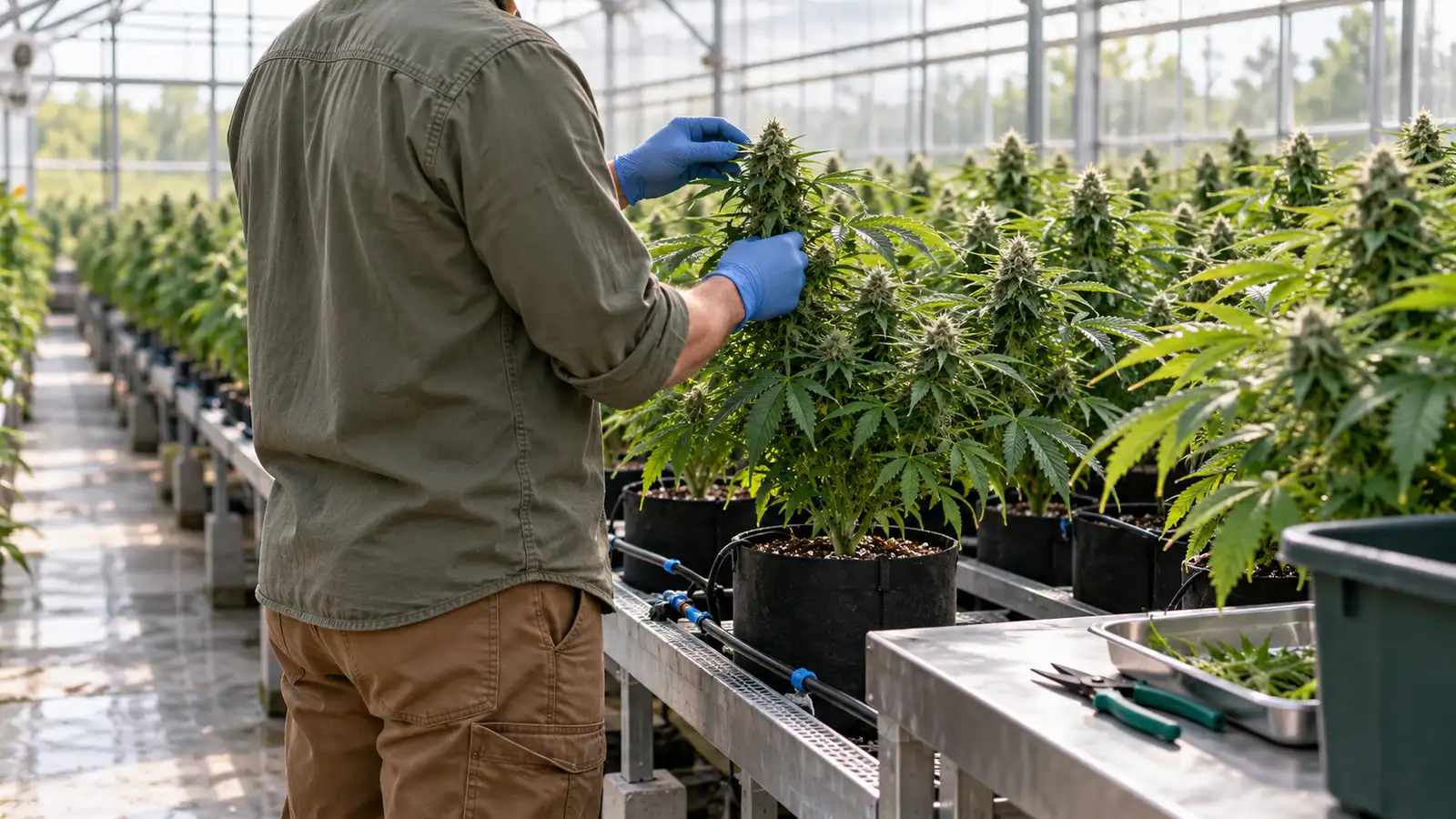
Growers manage the plant through its whole cycle: germination, vegetative growth, flowering, drying and curing. The work is horticulture first, so experience with nutrients, climate control, pests and plant stress carries over from other crops. Trimmers prepare harvested flowers, and it can be an entry route into a licensed operation. The work is repetitive and physical. If you want to understand what a grower actually faces day to day, start with the basics of soil and plant care.
Extraction and product making
Extraction technicians turn plant material into concentrates and oils. This is lab-like work with solvents, pressure or heat, and it comes with safety training, strict procedures and usually a science or technical background. A good starting point for the background is our article on trichomes and what is in them.
Retail and customer advice
In regulated markets, shop staff advise customers on products, check age and identity, and follow the rules on what can be sold and in which amount. Product knowledge matters, but so does patience and plain explanation: many customers are new and unsure about dosing.
Science, testing and compliance
Licensed products are typically tested for potency and contaminants such as pesticides, heavy metals and mold. Labs hire chemists and technicians, and companies employ compliance staff who keep up with licences, record keeping and packaging rules. These roles typically ask for a relevant degree or professional experience.
Business, marketing and technology
Like any industry, cannabis companies need accountants, designers, software developers and sales staff. Advertising rules for cannabis are strict in most places, so marketing here is as much about knowing what you may not say as about creativity.
What do these jobs pay?
We do not quote salary figures, because they vary too much between countries, license types and company sizes, and published numbers go out of date quickly. As a general pattern in regulated markets, specialized technical and management roles tend to pay more than entry-level cultivation or retail work. For real numbers, check current job listings in your own region and compare several of them.
How to find a job
- Job boards. Specialist sites such as CannabisJobs.com and GreenJobs.co list openings, though they focus on North America. Check that a listing names a licensed employer.
- Direct applications. Many licensed shops, farms and labs hire by contacting them directly.
- Events. Trade shows and conferences are a good place to meet employers, and they tell you which roles are in demand.
- Transferable skills. Farming, food production, chemistry, retail and compliance experience all carry over. Show how yours applies.
Things to think about before you start
- Legal risk. A change in the law or a lost licence can end a job overnight, so a stable employer matters more than a good title.
- Stigma. Some friends, family or future employers may react badly. Decide in advance how open you want to be.
- Safety. Some extraction methods use flammable solvents such as butane or ethanol, and grow rooms involve high humidity, strong lights and long hours on your feet. Ask what training and protective equipment the employer provides.
- Learning. Short courses on cultivation, compliance or lab work help, but be careful with expensive courses that promise a guaranteed job. Ask for references from past students.
If growing is what draws you in, the plant itself is the best teacher. Practical knowledge of the grow stages is what cultivation employers tend to value most, and where growing at home is legal, you can build that knowledge with a few plants of your own.