How reviews are checked
Both Kiyoh and eKomi invite customers to leave a review after an order. Kiyoh states that it checks reviews for authenticity. The Kiyoh score covers all our reviews to date; the eKomi score covers the last 12 months.
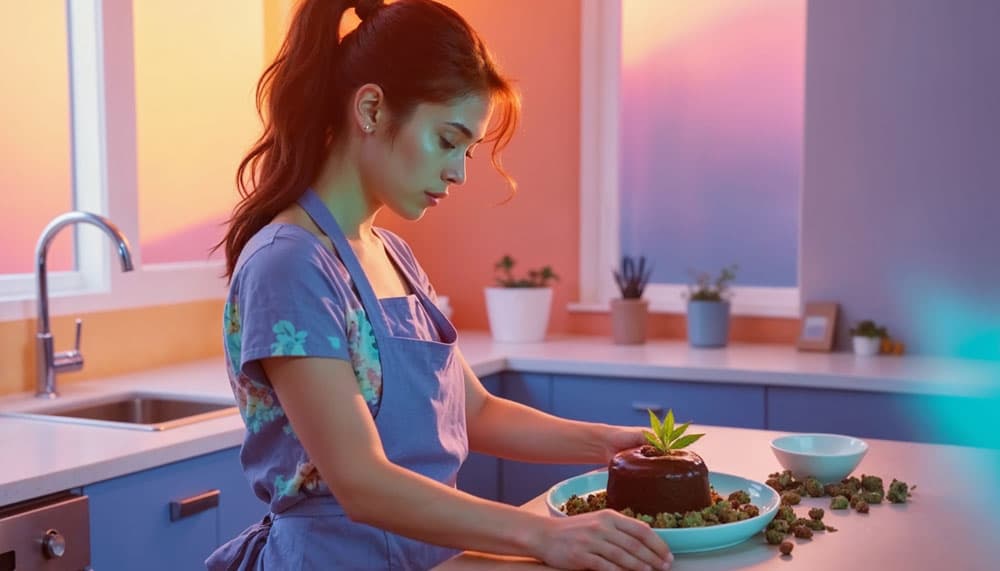
Expert Tips for Growing Best THC Edibles at Home
Homemade cannabis edibles are becoming increasingly popular, allowing users to customize their potency, flavors, and effects. But making the best THC edibles starts with high-quality cannabis. Whether you grow your own plants or source premium strains, understanding the process behind THC extraction, decarboxylation, and infusion is essential for crafting edibles that are both potent and flavorful.
In this guide, we’ll share expert tips on growing high-quality cannabis, choosing the right strains, and properly preparing your weed for the best THC-infused recipes. By following these steps, you can maximize potency, enhance flavor, and ensure a safe and enjoyable experience.
Why Quality Cannabis Matters for the Best THC Edibles
The foundation of a great edible starts with selecting the right cannabis. Many consumers overlook the importance of cannabinoid and terpene profiles, which can drastically influence the taste, potency, and effects of their final product. The best THC edibles come from high-quality, well-cured cannabis that has been grown and processed with care.
Key Factors in Choosing High-Quality Cannabis for best thc edibles
- Properly Cured Buds: Ensures smoothness and enhanced THC preservation.
- Strain Selection: Impacts effects, whether you want a relaxing edible or a more energetic experience.
- Freshness: Using older cannabis may result in reduced potency as THC degrades over time.
- Organically Grown Cannabis: Pesticide-free weed results in a purer taste and experience.
- Trichome Density: More visible trichomes indicate stronger cannabinoids.
🌿 Related: How Long Does It Take to Cure Weed?
Choosing the Right Cannabis Strains for Potent Edibles
Not all cannabis strains are created equal when it comes to making edibles. Some are better suited for producing strong psychoactive effects, while others create a more balanced high with medicinal benefits. Understanding strain differences will help you craft the best THC edibles tailored to your personal preference.
When selecting strains, it’s essential to choose ones that fit your desired effects. Browse our premium cannabis seeds collection to find high-THC or balanced strains for making the best THC edibles.
Best Cannabis Strains for Edibles
- High-THC Strains: Girl Scout Cookies, OG Kush, Gorilla Glue #4 (ideal for strong psychoactive effects).
- Balanced THC-CBD Strains: Harlequin, Cannatonic, ACDC (perfect for milder, therapeutic effects).
- Terpene-Rich Strains for Flavor: Blue Dream (fruity), Lemon Haze (citrusy), and Cherry Pie (dessert-like).
🌿 External Resource: Guide to Cannabis Strains for Edibles – Leafly
Growing Your Own Cannabis for Edibles – Best Practices
If you’re serious about making edibles, growing your own cannabis is a game-changer. It allows you to control quality, strain selection, and processing techniques to ensure the best results. Whether you’re growing indoors or outdoors, several key factors will impact the final THC concentration in your edibles.
Growing your own cannabis ensures you control the quality from start to finish. Check out our complete marijuana grow guide for expert cultivation tips.
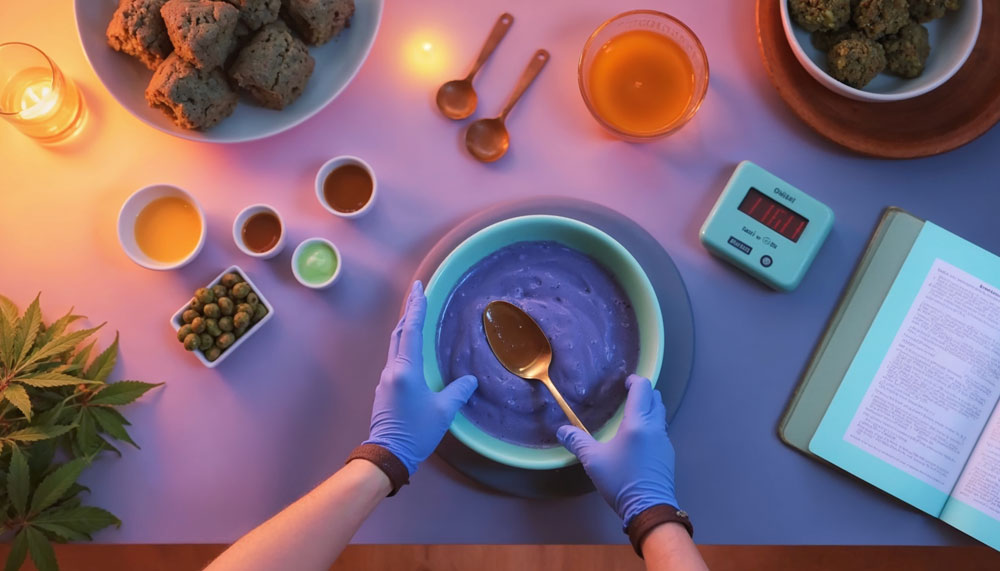
Best Growing Conditions for High-Quality Edible Cannabis
- Lighting: LED grow lights or natural sunlight influence trichome production.
- Nutrient Balance: Proper nitrogen and phosphorus levels enhance THC development.
- Temperature and Humidity Control: Prevents mold while preserving potency.
- Proper Harvesting Time: Harvesting at peak trichome maturity ensures maximum THC levels.
🌿 Related: Marijuana Grow Guide
Decarboxylation – The Secret to Potent THC Edibles
Before cannabis can be used effectively in edibles, it must go through decarboxylation, a chemical reaction that activates THC. Skipping this step will result in weak, ineffective edibles.
Why Decarboxylation is Essential
- Activates THC: Raw cannabis contains THCA, which is non-psychoactive.
- Improves Bioavailability: Ensures maximum absorption when consumed.
- Enhances Effects: Unlocks the full potency of your cannabis.
🌿 External Resource: How to Decarb Cannabis for Edibles – High Times
Extracting THC for the Best Homemade Edibles
Once your cannabis is decarbed, the next step is infusion. Infusing THC into fats makes it easier for the body to absorb, ensuring you get the most from your homemade treats.
Now that you’ve infused your THC into butter or oil, it’s time to cook! Explore our cannabis edibles recipe guide for delicious THC-infused creations.
Best Methods for Extracting THC
- Cannabis Butter: Perfect for baked goods and cooking.
- Coconut Oil Infusion: Great for vegan recipes and long-term storage.
- Alcohol-Based Tinctures: Can be used for drinks and sublingual effects.
Dosage Tips for Safe and Effective THC Edibles
One of the biggest challenges when making the best THC edibles is getting the dosage right. Overdosing can lead to uncomfortable experiences, while underdosing can make your edibles ineffective.
Pro Tips for Controlling Dosage
- Start Low & Go Slow: Always begin with a small dose and wait at least 2 hours.
- Use a THC Calculator: Helps determine potency per serving.
- Test a Small Batch First: Avoid making a large batch before testing effectiveness.
Understanding proper dosing is crucial for an enjoyable and controlled experience. For an in-depth guide on THC potency and edible safety, visit Scientific Edibles for expert insights.
Storing and Preserving Homemade THC Edibles
Proper storage ensures your edibles stay fresh, potent, and mold-free.
Proper storage ensures your edibles retain their potency and freshness. Learn the best techniques in our cannabis storage guide.
Storage Methods for Different Edibles
- Refrigeration: Best for butter and infused oils.
- Airtight Containers: Keeps baked goods fresh longer.
- Freezing: Extends shelf life up to 6 months.
- Vacuum-Sealed Storage: Prevents oxygen exposure and THC degradation.
FAQs: Common Questions About THC Edibles
Conclusion
Making the best THC edibles at home allows you to control potency, flavor, and quality. By growing high-quality cannabis, decarbing properly, and following best infusion practices, you’ll achieve delicious and effective ediblesevery time.Whether you’re a beginner or an experienced cannabis chef, following these expert tips will help you craft the most potent, flavorful, and safe best THC edibles. Happy cooking! 🍪✨
Related Seeds
Frequently asked questions
Edibles take 30 minutes to 2 hours to take effect, depending on metabolism and food intake.
No, raw cannabis must be decarbed first to activate THC.
When THC is processed by the liver, it converts into 11-hydroxy-THC , which is more potent and long-lasting.