Sativa Seeds
Updated November 16, 2026 by Amsterdam Marijuana Seeds
How reviews are checked
Both Kiyoh and eKomi invite customers to leave a review after an order. Kiyoh states that it checks reviews for authenticity. The Kiyoh score covers all our reviews to date. The eKomi score and positive share cover the last 12 months; the eKomi total counts all eKomi reviews to date.
Sort by
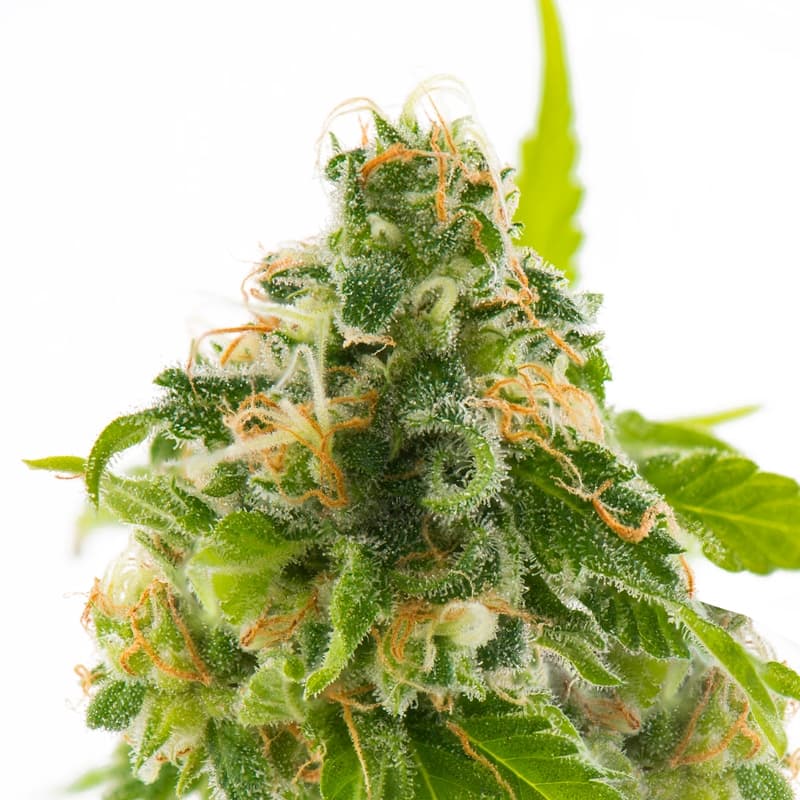
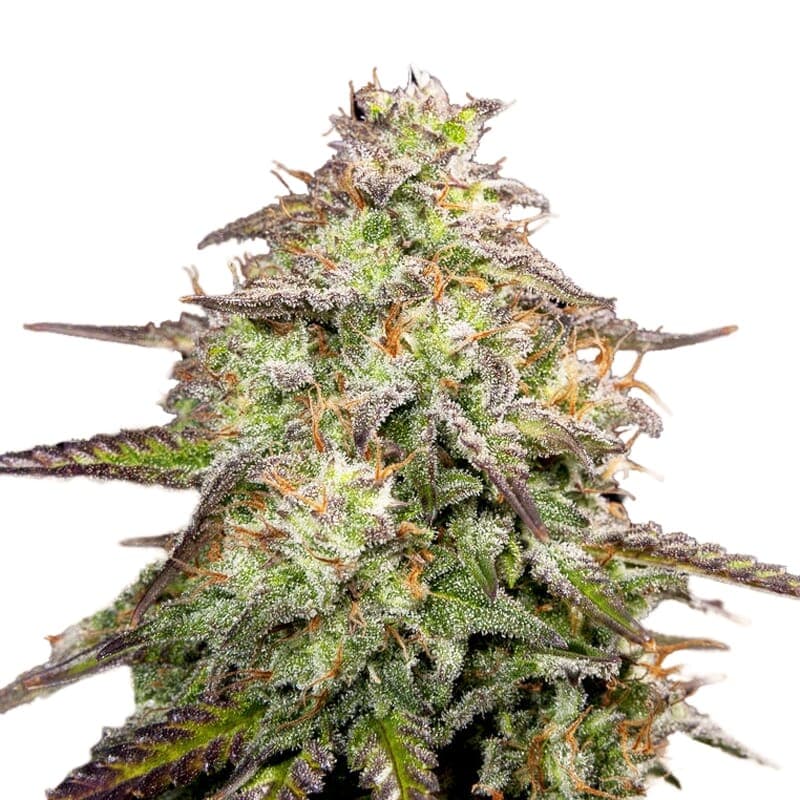
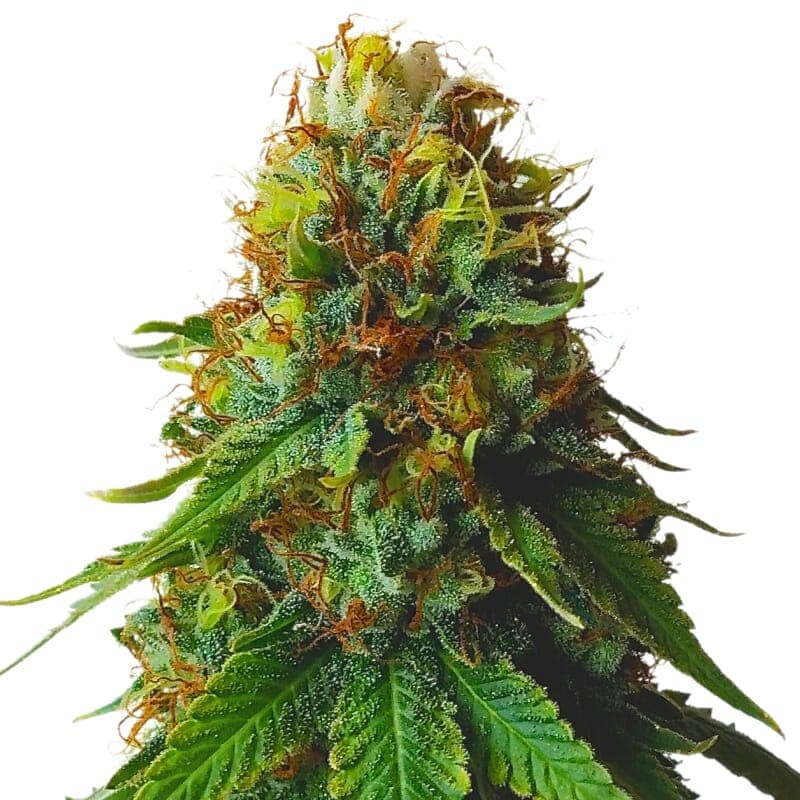
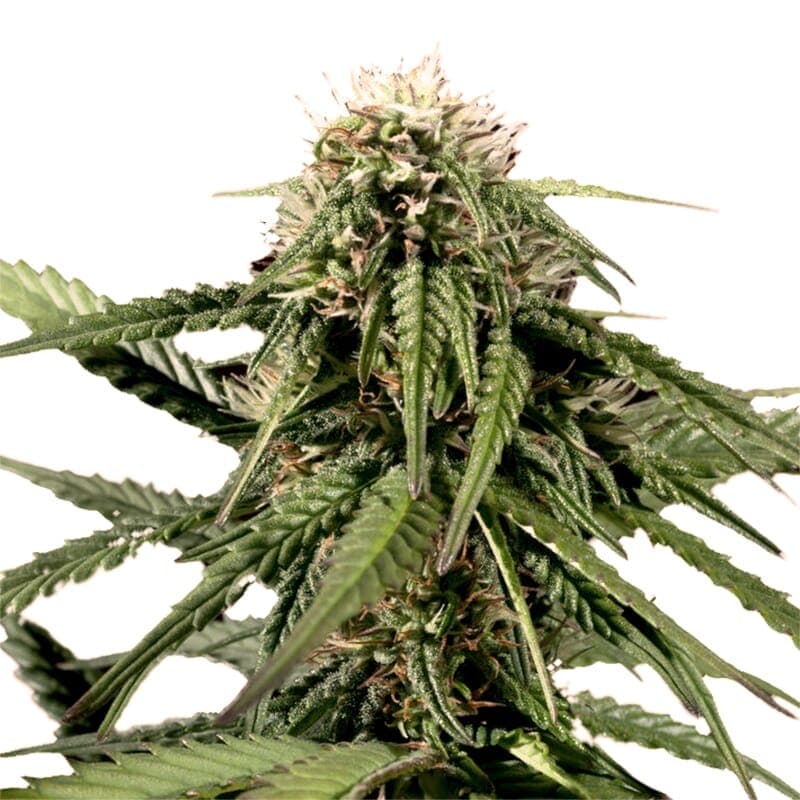
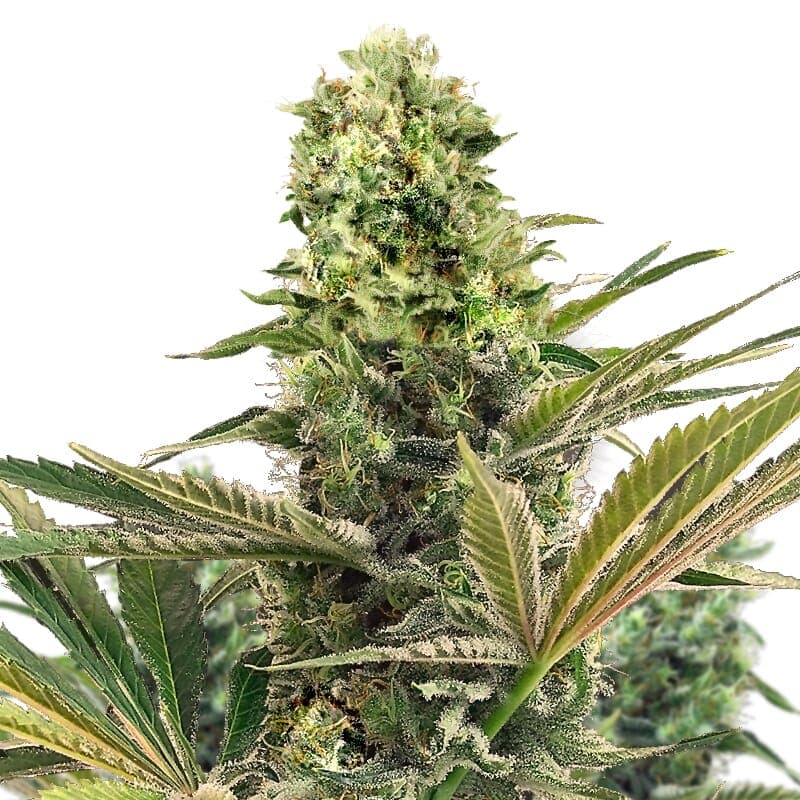
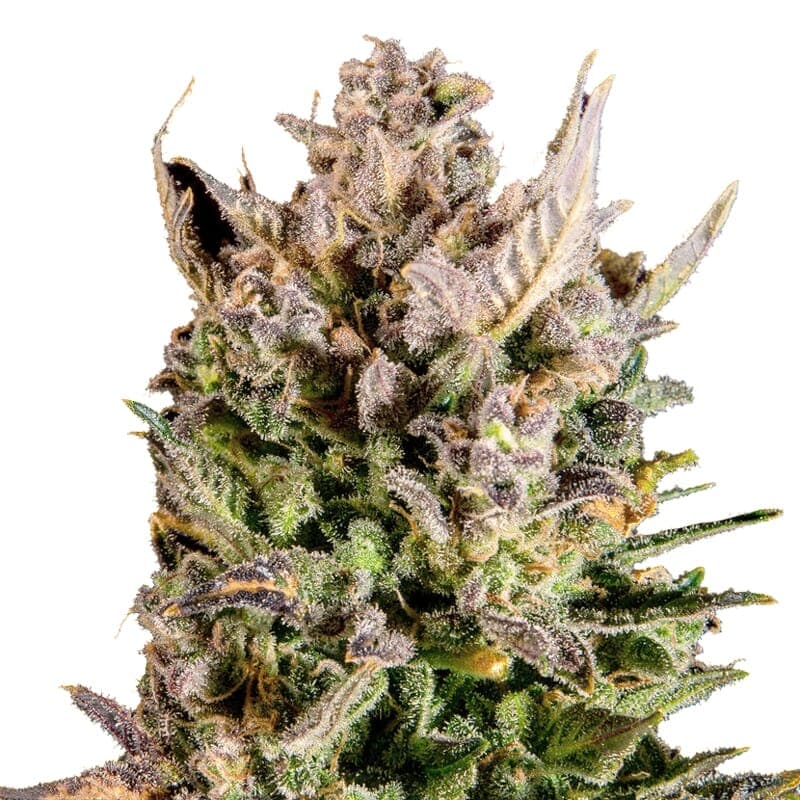
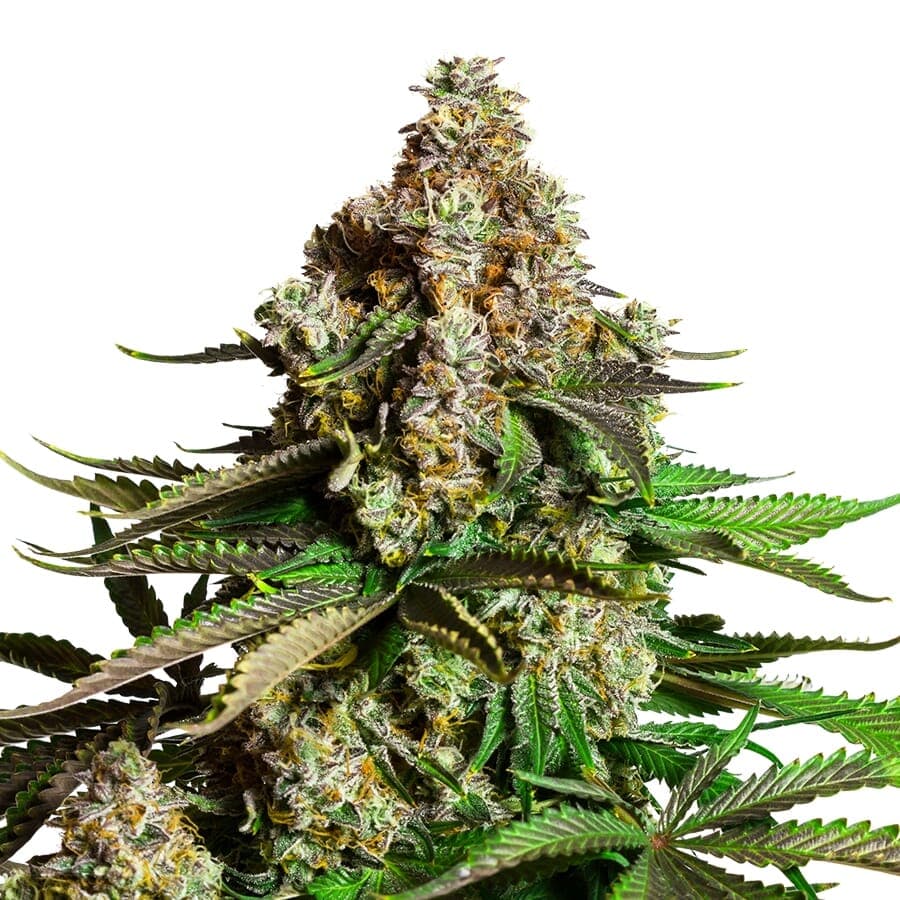
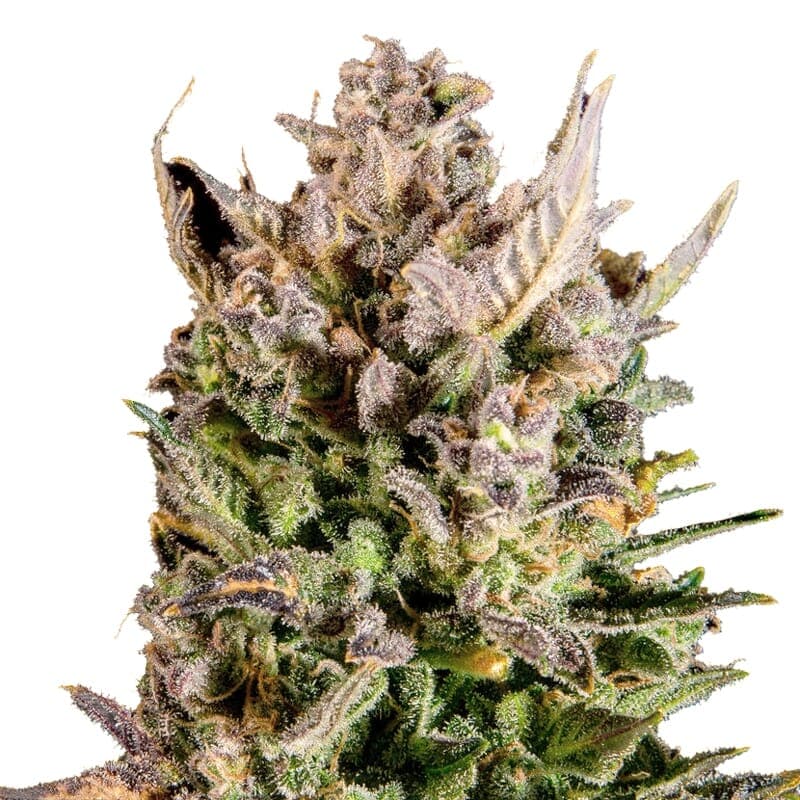
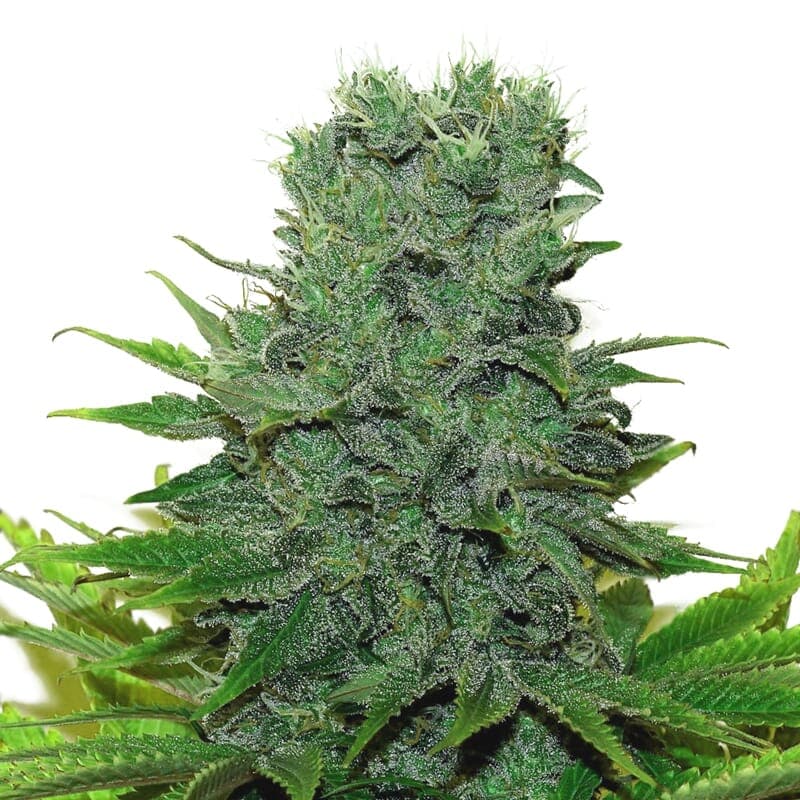
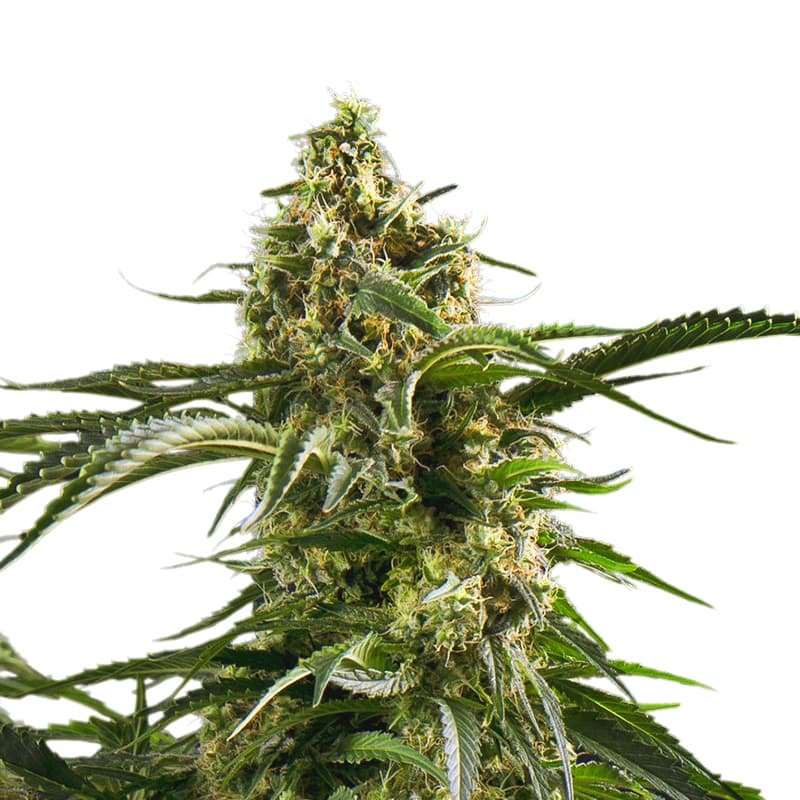
Sativa seeds give tall, narrow-leaved plants that take longer to flower than indica. Many people like their light, fruity or sharp flavors, though terpenes vary by strain. We stock a wide range of sativa strains, many of them feminized, with THC level, flowering time and plant size on every product page, so you can compare strains before you order.
Sativa seeds are prized for an uplifting, energetic high rather than the heavy body effect associated with indica — a difference that comes from the plant's genetics as much as its effects, and it shows up in how the plant grows, not just how it makes you feel. Whether you're searching for sativa weed seeds, sativa cannabis seeds, or sativa marijuana seeds, they're all the same category: tall, thin-leaved plants bred for a clear-headed, energizing high.
Uplifting, Energizing Effects
Sativa genetics are associated with a cerebral, energizing effect — more alert and creative than sedating — which is why sativa seeds are typically favored for daytime use, socializing, or any activity where you want to stay active rather than settle in for the evening. It's the opposite profile from indica, and picking between the two usually comes down to when and why you're using the finished flower.
Tall Plants and Longer Flowering Times
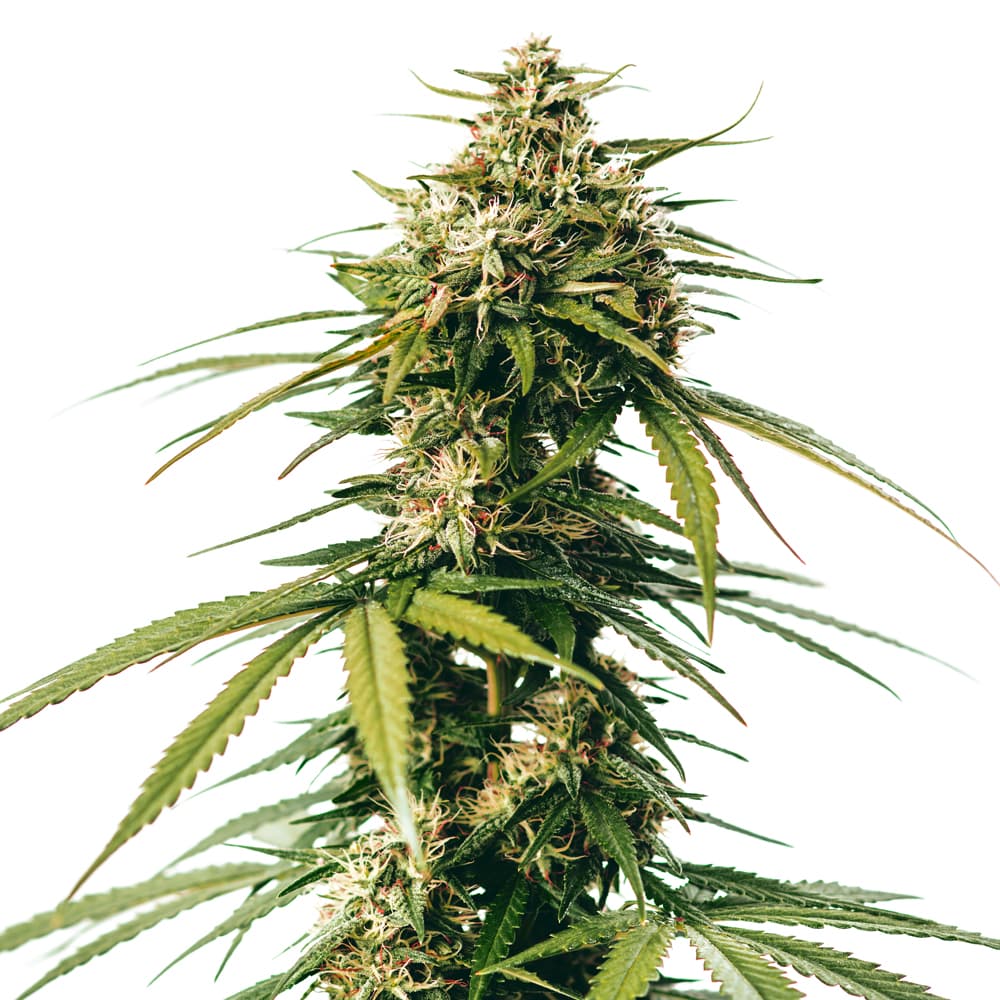
Sativa plants grow taller and lankier than indica, often stretching significantly during flowering, with thinner leaves and a longer flowering period that can run 10-14 weeks depending on the strain. That extra height and time reward growers with vertical space and patience — greenhouses and open outdoor plots suit sativa well, while an indoor grow may need training techniques like topping or LST to keep plants manageable under a fixed ceiling height.
Feminized Sativa Seeds Available
Most of our sativa seeds are also available in feminized form, so you get the sativa growth pattern and effects described above without needing to identify and remove male plants partway through the grow — a useful combination for anyone who wants sativa's energizing effects without the extra sexing work regular seeds require.
What is a sativa cannabis plant?
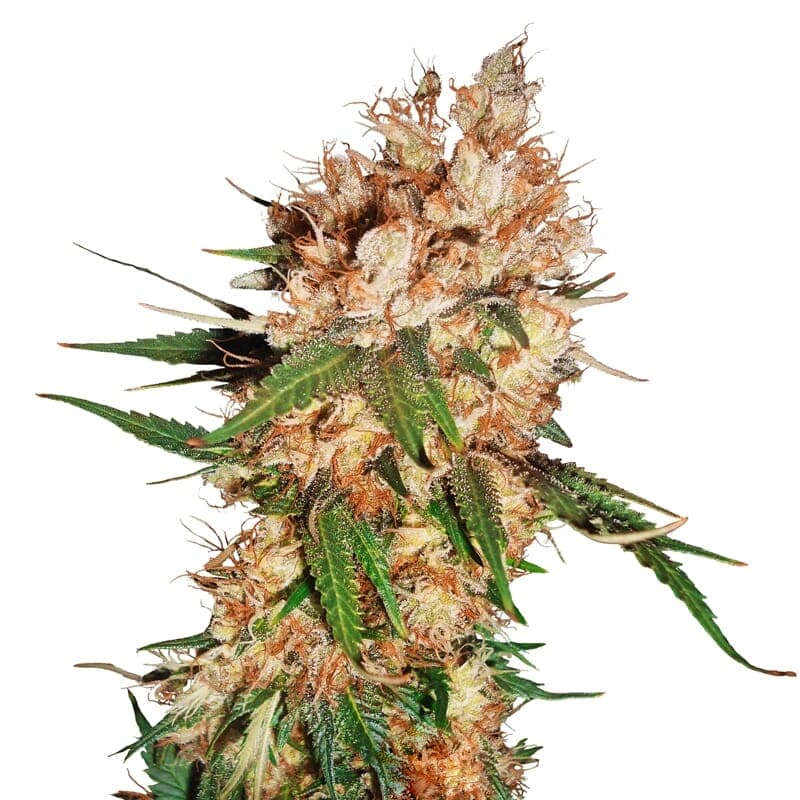
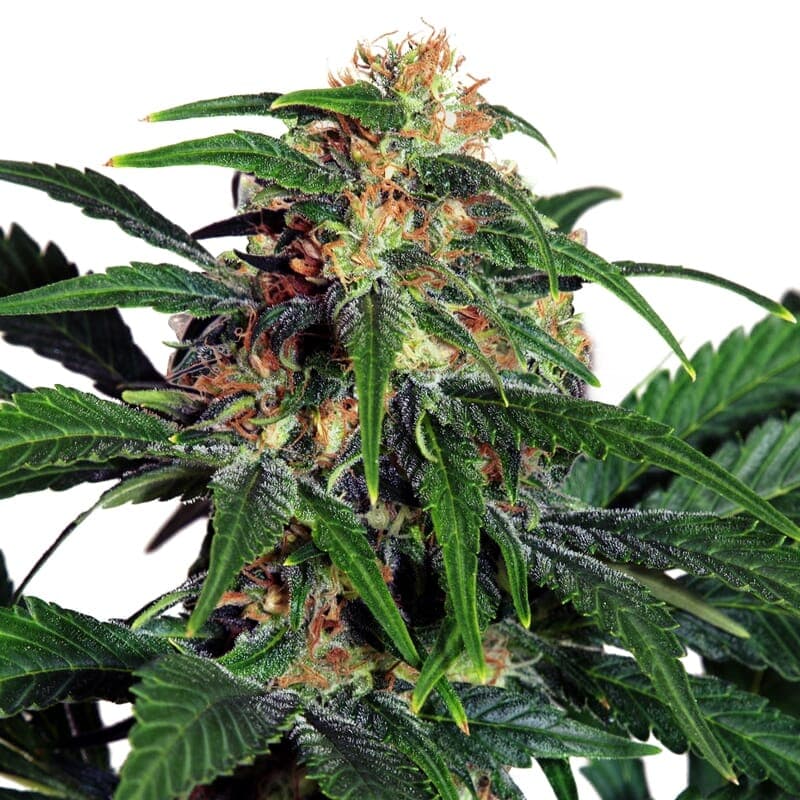
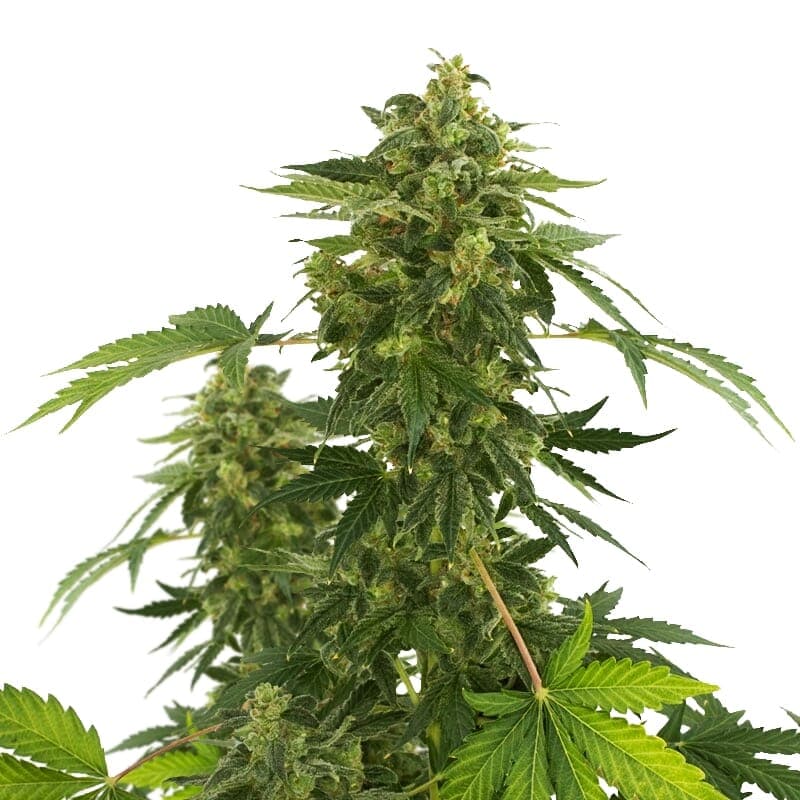
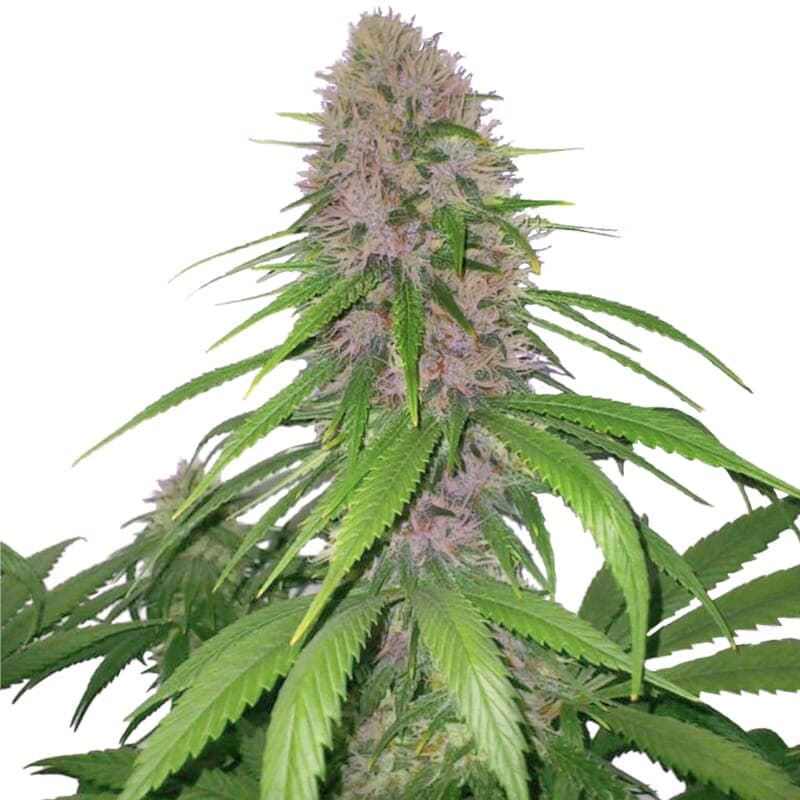
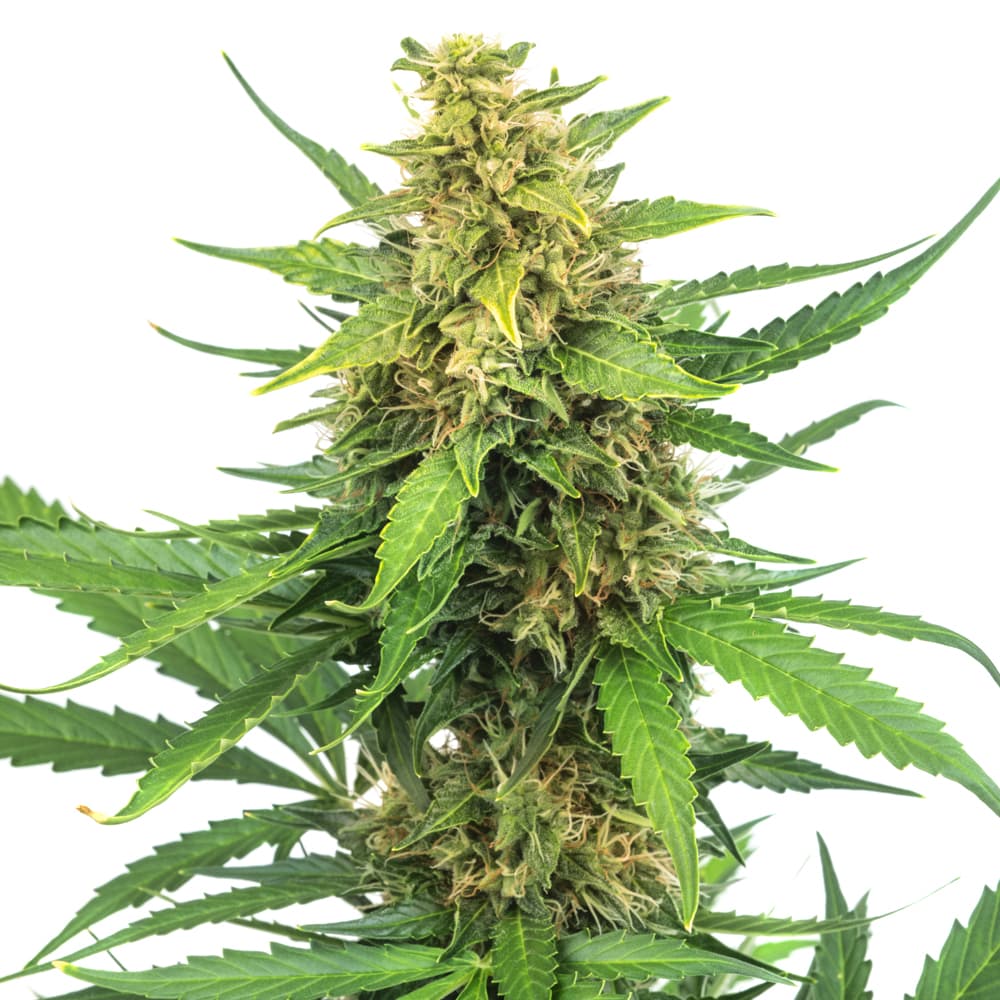
Sativa cannabis comes from warm regions near the equator, and the plants have adapted to long, hot seasons. They are tall and slender, with narrow leaves and widely spaced branches. A sativa can reach a much greater height than an indica, which is why the indoor height on the product page is worth a look.
Sativa seeds for sale
Our sativa range is a broad mix of tall, average and compact plants. THC is shown as an "up to" figure, and most strains sit between 20 and 24 percent. Difficulty is mostly moderate, with some easier strains and a few rated for experienced buyers.
Flowering times are split between fast (6 to 10 weeks) and average (8 to 12 weeks), with a few at 10 to 16 weeks. Browse the strains here, or start with Strawberry Ice feminized, a tall sativa rated moderate, or AK-47 XTRM feminized, rated easy to moderate.
Pure sativa or sativa-dominant seeds?
Product pages list the seed type as Sativa, Indica or Hybrid. A Sativa label tells you how the plant is built, not that its genetics are a documented 100 percent sativa. Check the description for the cross, and for the exact lineage when a strain matters to you.
If you are choosing between plant types, compare our indica seeds and hybrid seeds.
Is sativa or indica stronger?
Neither, by label alone. THC is listed per strain, and a sativa can sit lower or higher than an indica. How a strain feels depends on its full chemistry, including terpenes, and on the person, not on the word sativa or indica. Compare the THC figures on product pages rather than the type.
Feminized and autoflower sativa seeds
Many sativas come as feminized seeds, which give almost only female plants. Some sativas are autoflowers, which keep the plant smaller and the flowering time shorter, although they will not match a full-size photoperiod sativa.
High THC sativa strains
If strength matters most, filter for the highest figures in our high THC category. Read the figure on each product page, because a high THC rating is the breeder's ceiling and the real result varies.
Which sativa families are worth knowing?
Haze is the best-known sativa family, and its hybrids are common in the catalog, for example Limoncello Haze autoflower. Other sativas trace back to landraces from Thailand, Colombia and Mexico. Strain names often give a hint, and the description on the product page says more about the parents.
What do terpenes have to do with sativa?
Terpenes are the aroma compounds in cannabis, and they give a strain its smell and flavor: citrus, pine, earth, spice. Sativa strains are often described as fruity or sharp, but any type can carry any terpene. Read the flavor field on a product page rather than relying on the type.
Which climate do sativa strains come from?
Sativas come from warm climates with long seasons, such as the Mediterranean, the tropics or any region with a hot, dry summer. Each product page carries a climate label, so you can see where a strain feels at home before you choose.
Buying sativa seeds from the US, UK or Australia
You can buy sativa seeds from our Amsterdam seed bank. The payments and shipping page explains how orders reach different countries, and the shipping terms cover the rest. Check your local law before you order. The quality guarantee covers seeds that arrive damaged.
Frequently asked questions
Sativa plants are among the tallest cannabis plants. The plant size and indoor height fields on each product page show what to expect from a strain, and compact sativas and autoflower sativas stay noticeably shorter than the classic tall types.
Our sativa strains are listed at 6 to 10 weeks for the fast group, 8 to 12 weeks for the average group, and a few take up to 16 weeks. The exact figure is on each product page.
Not by type alone. Terpenes give a strain its smell and flavor, and any type can carry any terpene. Sativa strains are often described as fruity or sharp, but the flavor field on each product page tells you more about a particular strain than the label does.
Sativas come from warm, long-season climates, including Mediterranean, tropical and other warm, dry regions. Check the climate label on each product page to see where a strain feels at home.
A Sativa label describes how the plant is built, not a documented 100 percent sativa lineage. A sativa-dominant strain has some indica in its cross. The product description names the parents when they are known.