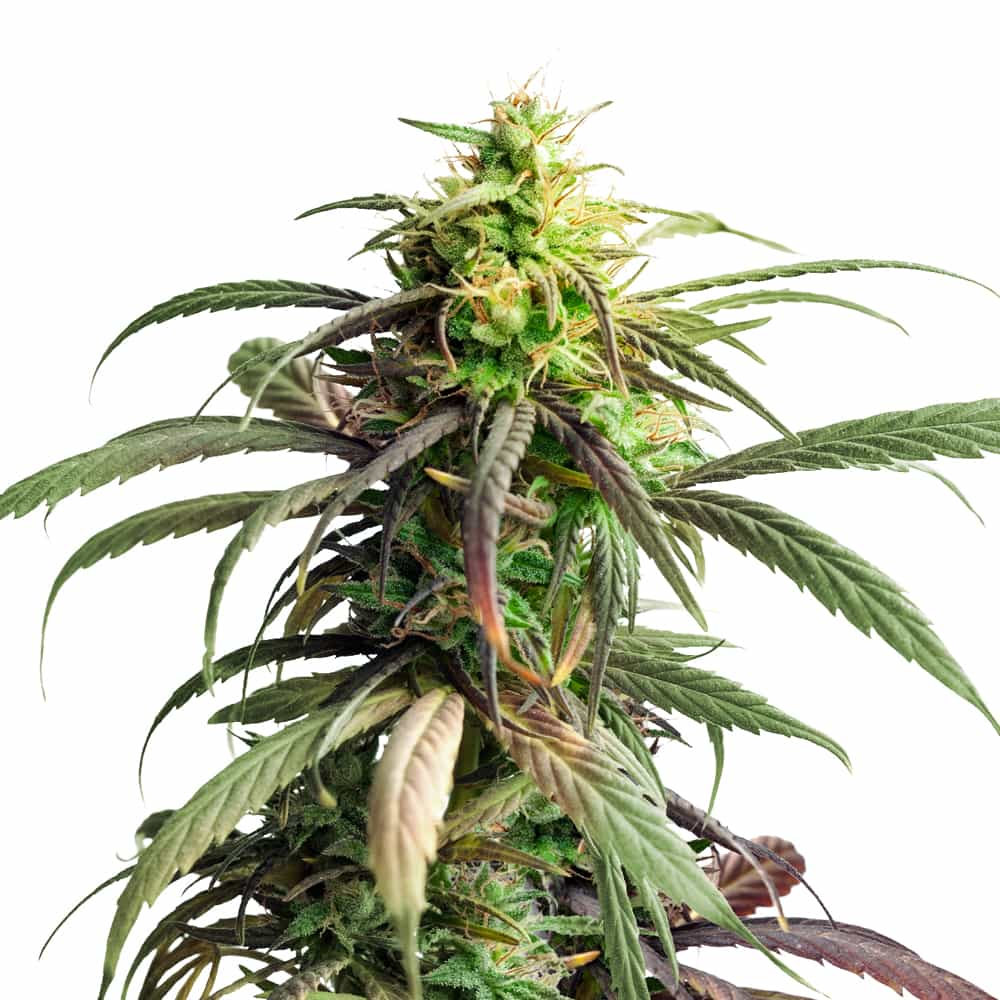
Autoflower Cannabis Seeds
Sort by
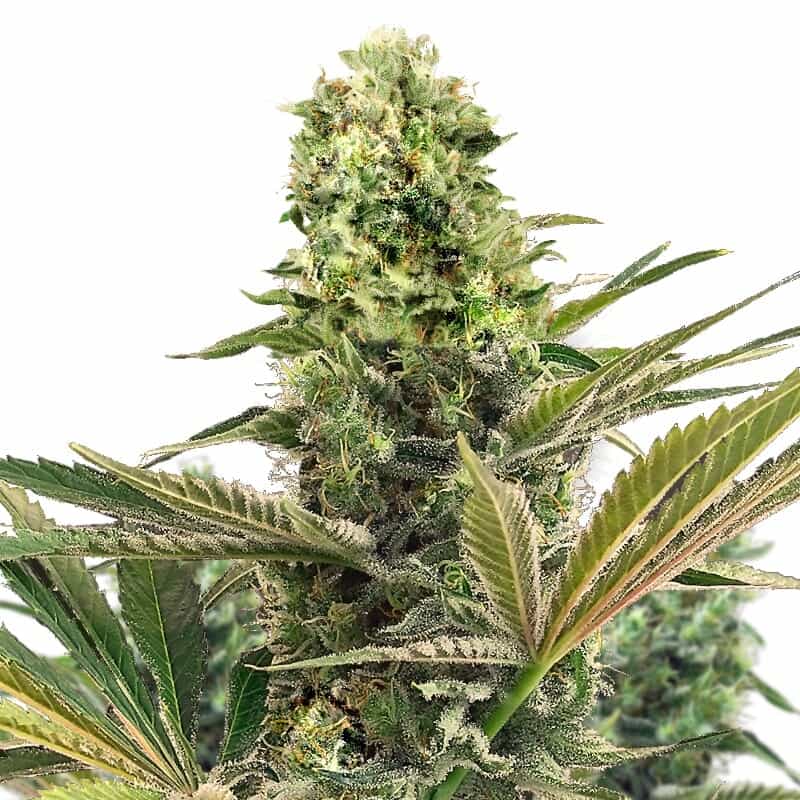
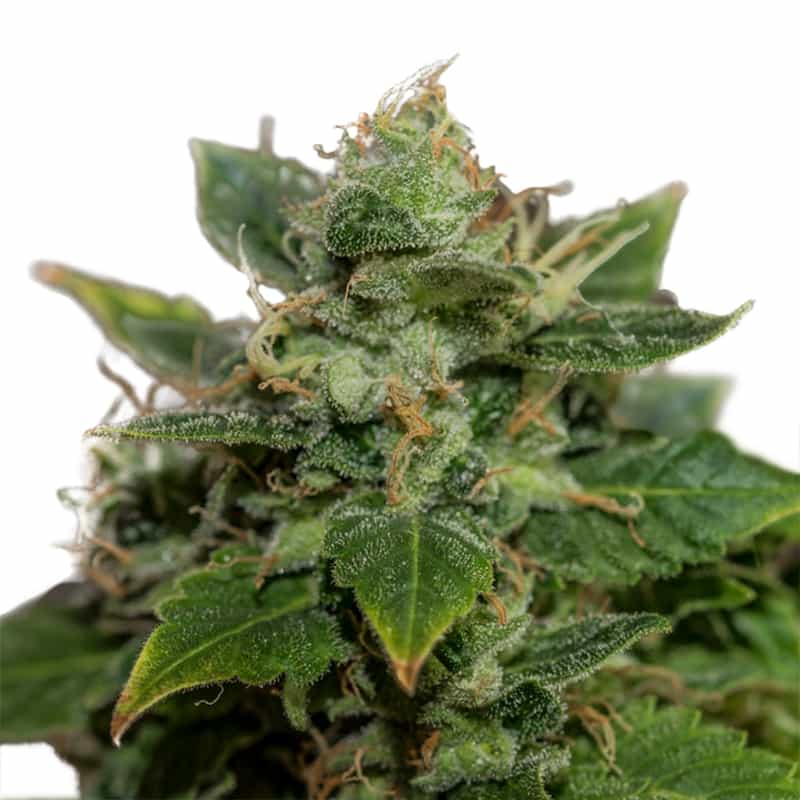
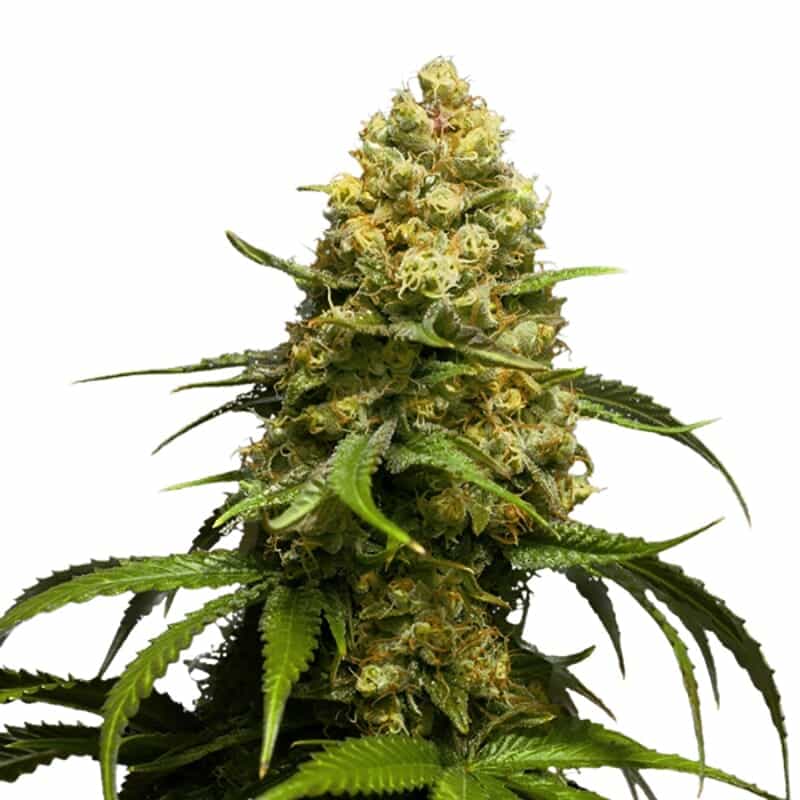
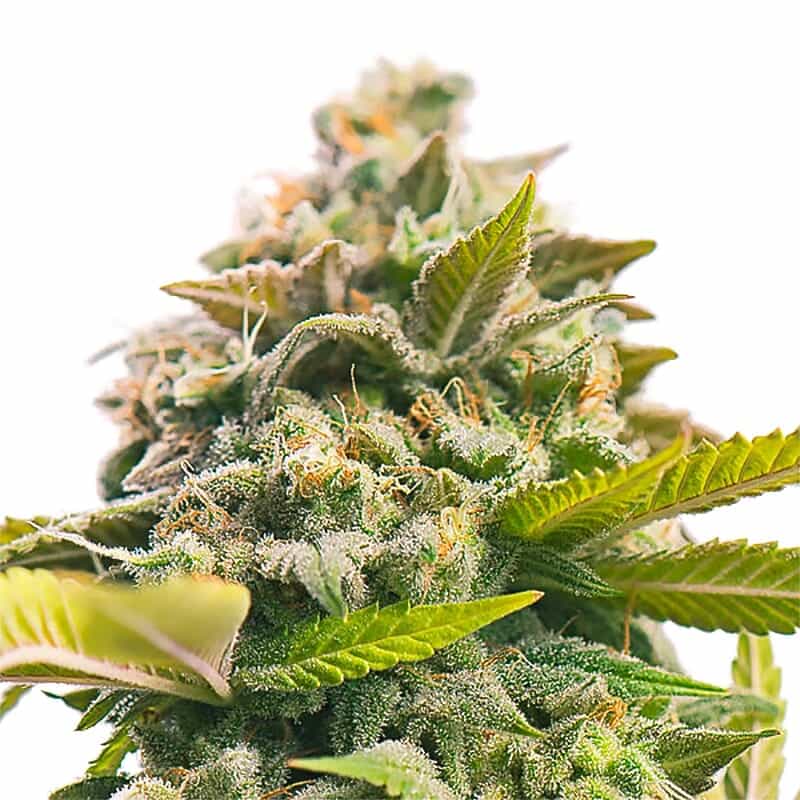
Autoflower seeds (also called autoflowering seeds or auto flower seeds) grow from seedling to harvest on their own internal timer, switching from vegetative growth into flowering by age rather than by light schedule. That's the core difference from regular and feminized photoperiod strains, and it's why autoflower seeds are usually the first stop for growers who want a straightforward, hands-off harvest.
Why Autoflower Seeds Don't Depend on Light Cycles
Photoperiod cannabis needs its light schedule switched to 12 hours on/12 hours off before it will start flowering, and outdoors it waits for the days to shorten in late summer. Autoflower genetics (bred from ruderalis, a subspecies that evolved to flower on a fixed schedule regardless of daylight) skip that dependency entirely. Leave the lights on 18-20 hours a day, or plant outdoors any time the weather allows, and the plant moves into flowering on its own a few weeks in — no schedule changes to track, no risk of accidentally stressing the plant back into vegetative growth.
Autoflower Seeds for Small Spaces and Beginners
Because they flower automatically, autoflower seeds also finish fast — most varieties go from seed to harvest in 8-10 weeks, letting you fit two or three cycles into a single season where a photoperiod strain might manage one. Their compact size suits closets, small tents, and balconies, and the lack of any light-cycle management makes them one of the more forgiving options for a first grow.
High-THC and CBD Autoflower Seeds
Autoflower genetics now cover a wide range of potency profiles, not just fast and easy. Our lineup includes high-THC autoflower seeds bred for maximum strength alongside CBD-rich autoflower seeds for a milder, more functional effect, so the format works whether you're growing for potency or a gentler experience — and either way, autoflower seeds still deliver the same quick, low-maintenance harvest.
Autoflower vs. Feminized Seeds: Which Should You Choose
Autoflower and feminized seeds solve different problems, and most growers eventually want both. Feminized seeds are photoperiod plants — bigger, slower to finish (10-14 weeks), and controlled by light schedule, which rewards growers with space and patience with a larger final yield. Autoflower seeds trade some of that size and yield for speed and simplicity: a fixed 8-10 week timeline, no light-schedule management, and a plant that finishes on its own regardless of season. If total harvest size matters more than speed, start with feminized; if a fast, low-maintenance grow matters more, autoflower is the better fit.
High-Yield Autoflower Strains
Yield used to be autoflower's biggest trade-off against photoperiod genetics, but newer autoflower lines have closed much of that gap. Look for strains bred specifically for yield rather than speed alone, and pair them with gentle low-stress training (bending and tying down branches) rather than topping, since autoflowers have a short vegetative window and don't fully recover from more aggressive techniques. Combined with a full 18-20 hour light schedule indoors, or a full-sun outdoor spot, a yield-focused autoflower strain can close most of the gap with a mid-size feminized harvest in a third of the time.
Growing Autoflower Seeds Outdoors
Because autoflower seeds don't wait for shortening daylight to start flowering, they can go in the ground any time the weather allows rather than on a fixed outdoor calendar — plant in spring for an early summer harvest, then run a second cycle before autumn where the climate allows. Outdoor seeds in general need less environmental control than an indoor tent, and autoflower's compact size and short timeline make it one of the more forgiving formats for a first outdoor grow, tucked into a garden bed, large pot, or balcony planter without needing to hide a full-season plant.
Autoflower Seeds FAQ
How long does it take to grow autoflower seeds from seed to harvest?
Most autoflower strains finish in 8-10 weeks total from germination, though some fast varieties finish closer to 7 weeks and slower, higher-yield strains can run 11-12. That's roughly half the timeline of a typical feminized photoperiod strain.
Do autoflower seeds need a specific light schedule?
No — that's the core advantage. 18-20 hours of light a day indoors is typical and gets the fastest growth, but autoflower genetics will still finish flowering on their own timeline even under a shorter or irregular schedule, unlike photoperiod strains that depend on a 12/12 switch to trigger flowering.
Can autoflower plants be topped or trained?
Light training works well — low-stress training and moderate defoliation both suit autoflowers. Topping and heavier techniques are riskier, since autoflowers have a short vegetative window and may not fully recover the lost growth time before flowering starts.
Are autoflower seeds good for beginners?
Yes — the fixed flowering schedule removes one of the most common early-grower mistakes (accidentally interrupting light cycles or planting too late in the season), and the shorter timeline means less time invested if anything does go wrong.