Sinsemilla Seeds: What Is Sinsemilla and Can You Buy It?
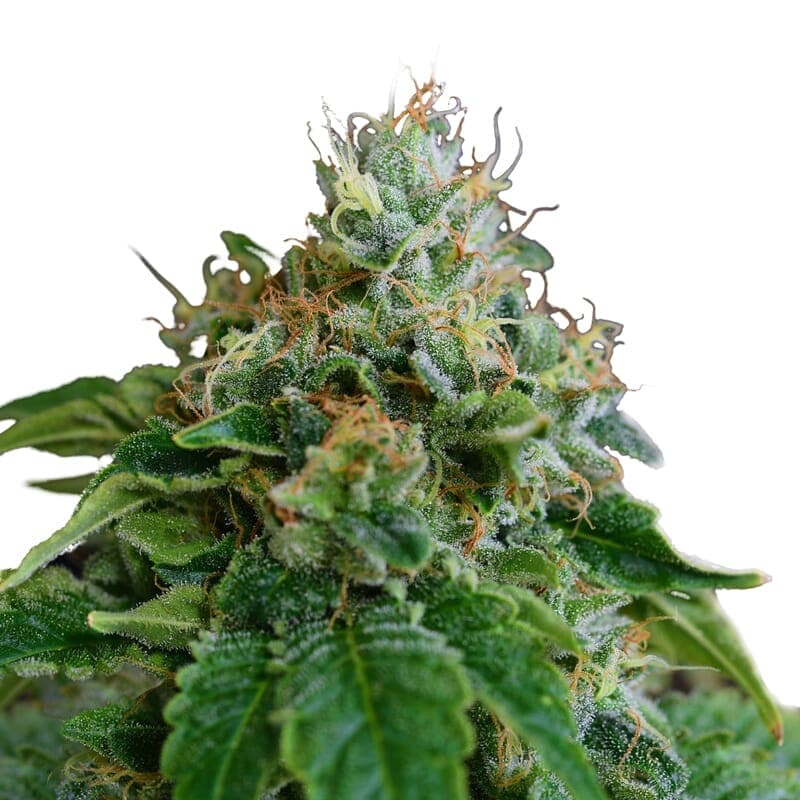
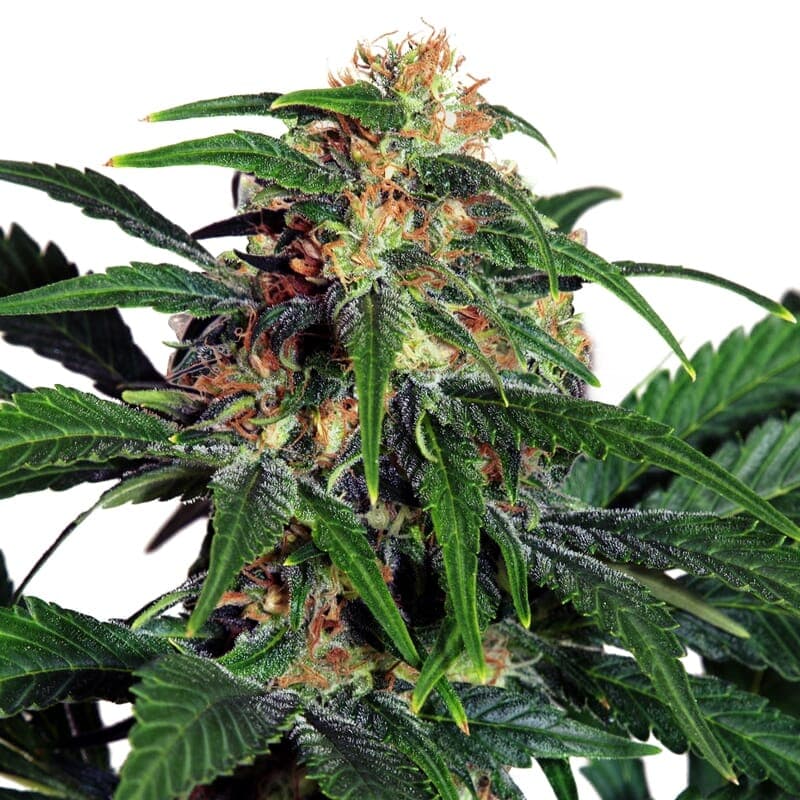
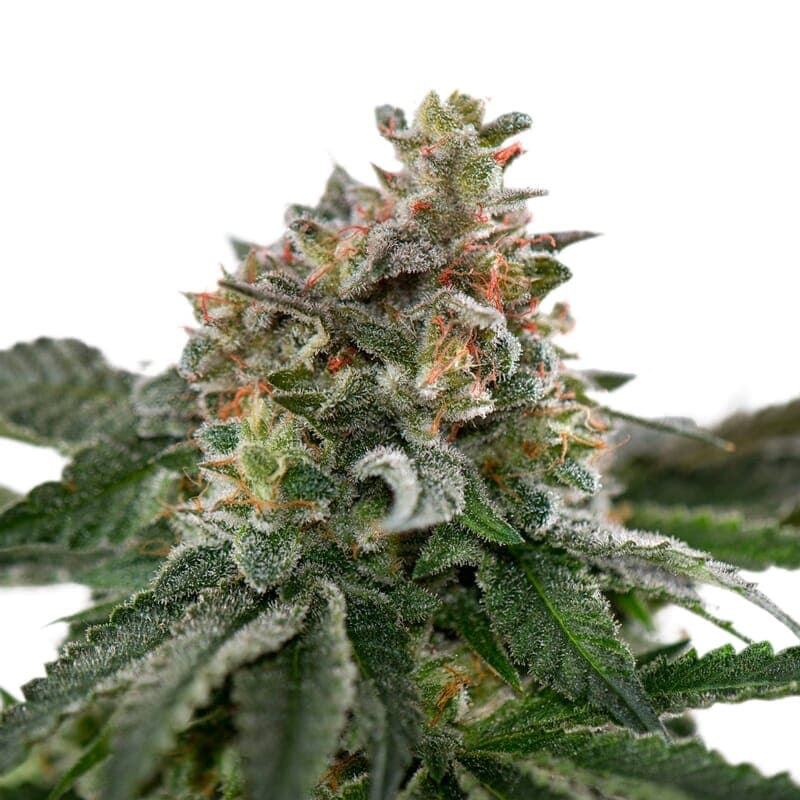
Sinsemilla is cannabis grown without seeds. The word is Spanish, sin semilla, "without seed". It means female cannabis plants that were never pollinated by a male, so they never set seed and keep filling out resin-coated flowers instead. There is no such thing as a special sinsemilla seed: you grow sinsemilla from ordinary cannabis seeds by keeping pollen away from the females. Feminized seeds are the easiest way to do that, because almost every plant is female and there are hardly any males to remove.
Sinsemilla, Sensimilla, Or "Sensimilla Seeds": Getting The Spelling Right
You will find this topic under several spellings, and they all mean the same thing. Sinsemilla is the spelling closest to the Spanish original (sin + semilla). Sensimilla is a common variant, and grow shops sell sensimilla seeds, sensimilla weed or sensimilla marijuana under that name. Shorter forms like "sinse" and "sensi" are also common (Merriam-Webster lists sinsemilla as a noun for seedless cannabis from unpollinated female plants). The spelling makes no botanical difference, and neither word names a strain. If you are buying seeds, look at the seed type, not the spelling: feminized seeds are what you want.
A common mix-up is that sensimilla seeds are one particular strain. They are not. Any strain, indica or sativa, gives sensimilla buds as long as the female flowers stay unpollinated.
Male Plants Can Pollinate the Female Cannabis Plants
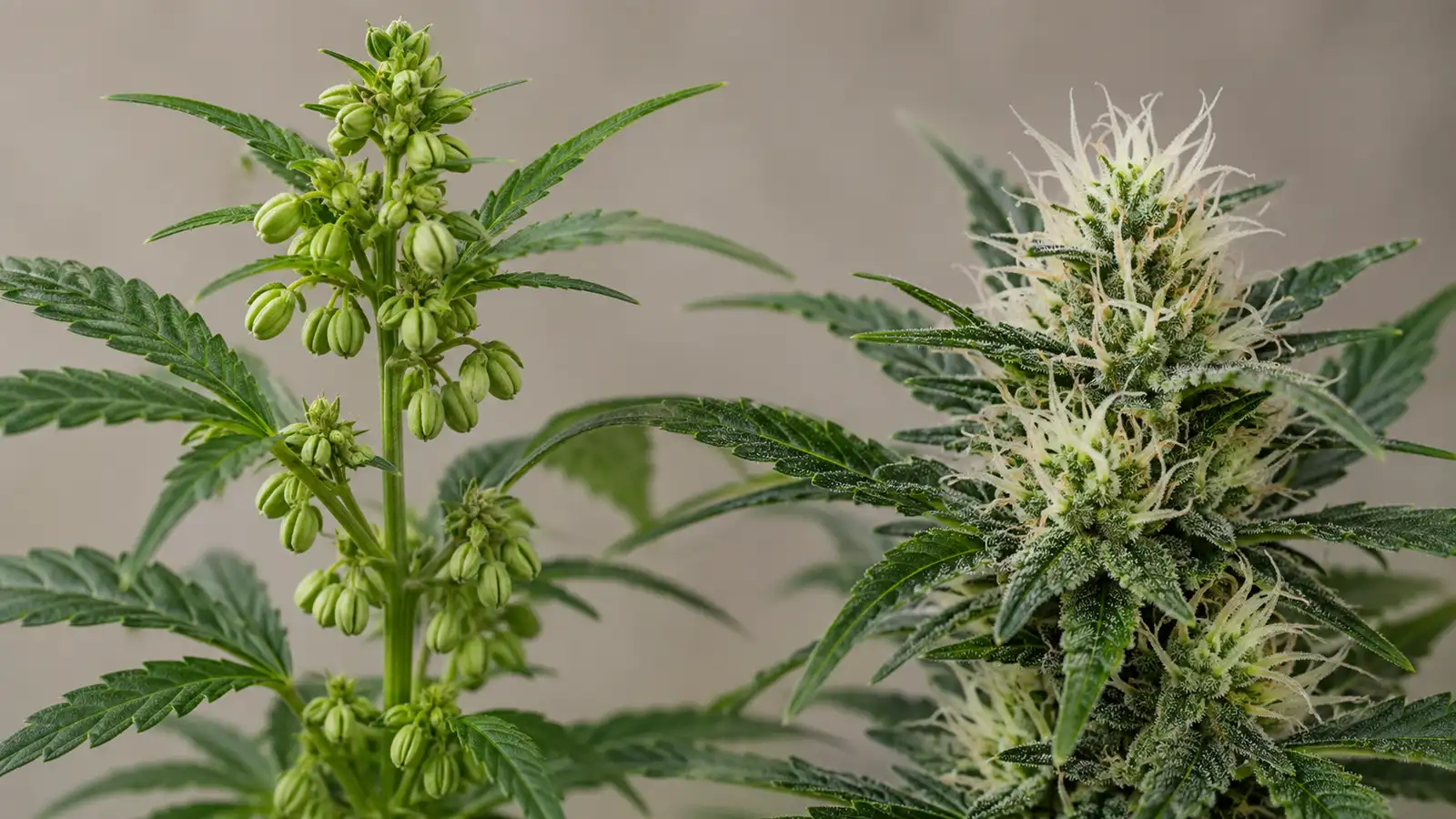
Cannabis is normally either male or female. Grow from regular seeds and roughly half your plants can turn out male. Their pollen sacs open in flowering, the pollen lands on the white pistils of the females, and from that moment those flowers start making seeds. A seeded plant puts its energy into the seeds instead of more resin, and you end up picking seeds out of every bud before you can use it.
Growing sinsemilla means making sure no pollen reaches the females. With regular seeds you do that by checking every plant at the start of flowering and taking the males out before their sacs open. With feminized seeds you can mostly skip that step, because nearly every plant should be female, but you still check for stray male flowers. Our guide on male and female weed plants shows how to tell them apart.
Is Sinsemilla Stronger?
Seedless buds tend to be denser and more aromatic, and they are smoother to smoke because there are no seeds to crack and burn. Wikipedia's article on sinsemilla says unpollinated flowers hold a higher concentration of cannabinoids and terpenes, and cites an American study from 1980 that measured 1.8% THC in average street marijuana against 6% in sinsemilla. Those are old numbers from a time when most street weed was seeded. Today almost all good cannabis is grown seedless, so "sinsemilla" no longer tells you how strong a bud is. The strain and how it was grown matter far more. For high potency, start with the right genetics, such as our high THC seeds.
The Biology Behind Sinsemilla
Outdoors, cannabis starts to flower when the nights get longer in late summer. Each pistil on a female flower is waiting for pollen. If none arrives, the plant keeps adding new pistils and resin for weeks. If pollen does arrive, the fertilized flowers start forming seeds and the plant shifts its resources there.
The History of Sinsemilla
Keeping males out of a field to get seedless buds is an old idea, but the word sinsemilla took off in the 1970s. Wikipedia links the technique to growers in Sinaloa, Mexico, in that decade, from where it spread to the United States as "sinsemilla", "sinse" or "sense". Growers in California and Oregon made it their standard, and there was even a magazine called Sinsemilla Tips, published in Corvallis, Oregon, from 1980 to 1990. Reggae and punk bands put the word in song and album titles, Black Uhuru and Sublime among them.
Once feminized seeds came on the market in the 1990s, the term slowly lost its meaning. If every seed in the pack is female, seedless weed is simply what you get. If you want to know who shaped modern growing, read our piece on marijuana cultivation pioneers.
Why Growers Want Sinsemilla
An unpollinated plant keeps building flowers and resin instead of putting energy into seeds, so the buds come out fuller. There is also nothing to pick out of the buds after harvest. With feminized seeds in a closed grow room, nearly every plant you raise should give you buds.
You will also read that sinsemilla plants need less water, resist pests or protect the soil. They don't: sinsemilla is a way of growing, so it has no effect on how hardy a plant is. Water, feeding and pests depend on the strain and the grow, as covered in our guides on watering, fertilizer and pest control.
How Are Feminized Seeds Made?
If sinsemilla needs female plants only, how do you get seeds that grow nothing but females? Breeders use a trick. They spray a female plant with a substance that blocks the plant hormone ethylene, usually silver thiosulfate (STS) or colloidal silver. The treated female then grows male flowers with pollen, even though it is genetically female. That pollen goes onto another female, and because neither parent carries male genes, the seeds that form grow into female plants.
Researchers at the University of Ljubljana compared these methods on high-CBD cannabis in a 2021 study in Frontiers in Plant Science and got male flowers from female plants with both STS and colloidal silver. This is the method behind feminized seeds in general. It is not a guarantee: a pack of feminized seeds can still produce the odd plant with male flowers, which is why checking during flowering stays part of growing sinsemilla.
The seed you buy is feminized; the bud you harvest is sinsemilla. Feminized seeds make that much easier, but you still have to watch for male flowers during flowering.
Are There Any Drawbacks to Growing Sinsemilla?
Outdoors you only control your own garden. Pollen from male plants nearby can still reach your females, and it travels further than most people think. Michigan State University Extension writes that the industry advises at least 10 miles between outdoor cannabis fields, and that pollen can travel even further, although the amount drops off quickly with distance. A hobby grower cannot keep that kind of distance, so outdoors you can never fully rule out a few seeds. Indoors, with closed doors and a filtered air intake, that risk is much smaller.
Even a feminized plant can grow a few male flowers when it is stressed: light leaks during the dark period, heat or rough handling. One plant like that can seed a whole room, so check your plants every few days in flowering.
A sinsemilla harvest gives you no seeds for the next grow. You buy new seeds each round, or you take clones from a healthy mother plant. If you clone, we recommend taking clones from a mother plant for no more than three rounds: in our experience the quality tends to drop with every cycle.
Good feminized seeds cost more per seed than regular seeds. You make that back because almost every plant you raise gives buds, with few males to throw away.
How Sinsemilla Is Made and How to Grow It
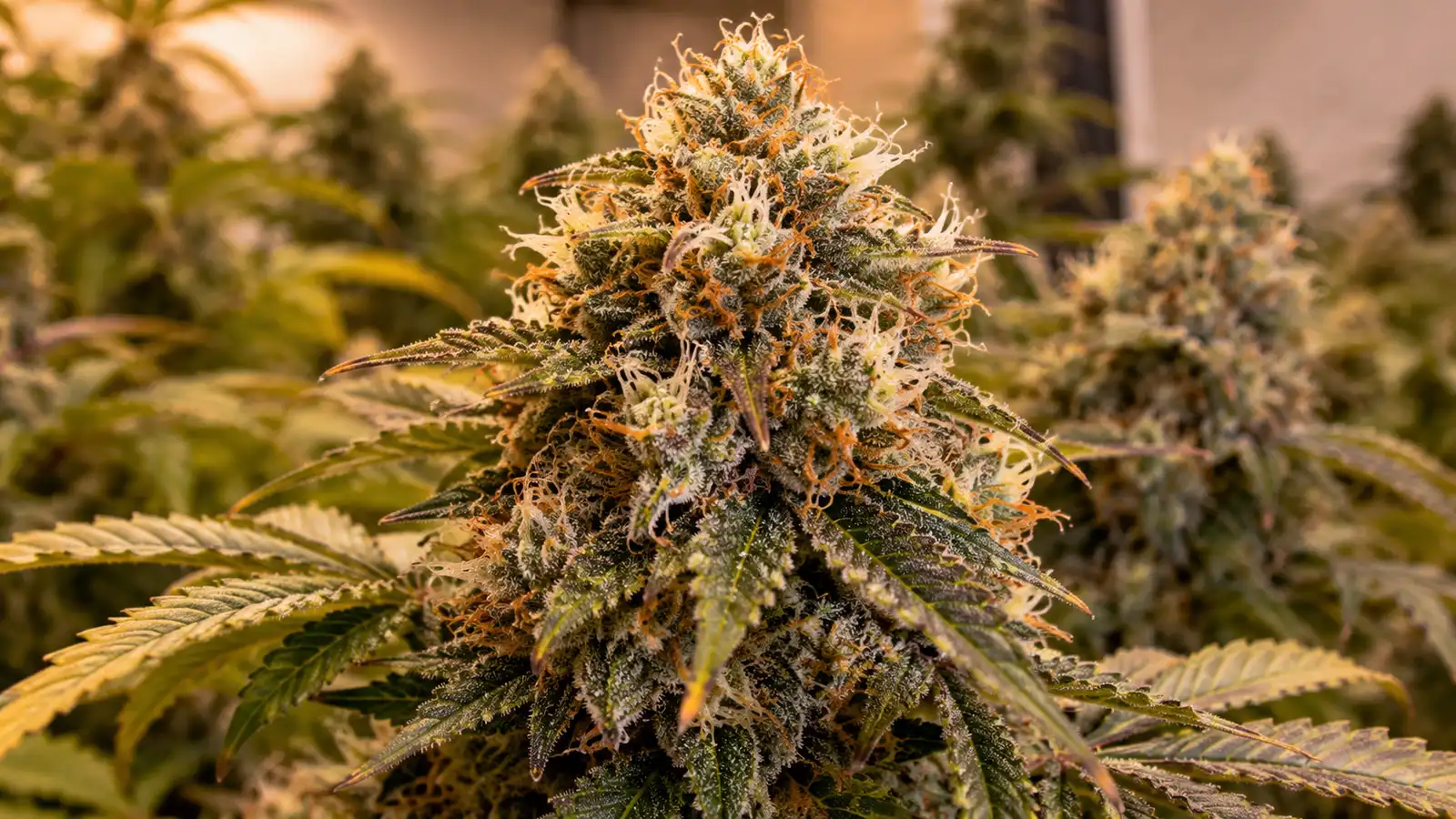
If this is your first grow, start indoors. A tent or grow room gives you control over light, air and pollen, and that makes seedless buds much easier. Use feminized seeds so you have far fewer males to watch for.
Set Up: What Do You Need?
Female plants, so feminized seeds; a dark space with a grow light; pots with good soil or another growing medium; nutrients for the growth and flowering stages. You will find feminized seeds of every type in the Amsterdam Marijuana Seeds shop.
Germination
Germination starts when the seed takes up water. That wakes up the enzymes inside, the shell cracks and a small root comes out. Our step-by-step guide to germinating weed seeds shows how to do this step by step.
The Vegetative Stage
Plant the sprouted seeds in small pots and move them to bigger ones as the roots fill the pot. In this stage the plant mainly needs nitrogen to build leaves and stems. Liquid nutrients are easy to dose. Strong growth now means more room for buds later.
The Flowering Stage
Switch to a flowering feed with more phosphorus and potassium. In these weeks, keep pollen out, avoid stress and look for male flowers regularly. Towards the end of flowering, water a bit less and let the buds ripen.
Harvesting
- Cut the plant when the buds are ripe
- Remove the large leaves and stems so the buds are left
- Dry the buds slowly in a dark, airy room
- Put the dried buds in closed jars
- In the first weeks, open the jars a few times a day so moisture can escape
After four to six weeks of curing in jars, your sinsemilla weed is ready, with full flavour and a smooth smoke.
Frequently asked questions
What does sinsemilla mean?
Sinsemilla is Spanish for "without seed". It means cannabis buds from female plants that were never pollinated, so they contain no seeds.
Is sinsemilla the same as sensimilla?
Yes. Sensimilla, sinse and sensi are other spellings and short forms of the same word. None of them is a strain name.
Can you buy sinsemilla seeds?
Not as a separate kind of seed. Sinsemilla is the result of how you grow, not of the seed. What comes closest is feminized seed: every plant should be female, so there are no males to pollinate your buds.
Is sinsemilla indica or sativa?
Neither. Any strain, indica, sativa or hybrid, gives sinsemilla when the females stay unpollinated.
Is sinsemilla the same as feminized weed?
Almost. Feminized refers to the seed (it produces female plants), sinsemilla to the bud (it has no seeds). Feminized seeds are the easiest way to sinsemilla, but a feminized plant can still be seeded by pollen from outside or by a hermaphrodite.
Conclusion
Sinsemilla simply means seedless cannabis from female plants that were never pollinated. Sinsemilla, sensimilla and sensi are the same thing, and any strain can give it. The easiest route is feminized seeds, grown indoors, with an eye out for stray male flowers during flowering.
Want to read more? See the Wikipedia article on sinsemilla, our free grow guide, or ask our Customer Service team if you get stuck.