How to Make Weed Taste Better: Grow, Dry and Cure
The best way to make weed taste better is to get the basics right: start with a strain bred for the flavor you like, grow a healthy plant, harvest at the right time, then dry slowly and cure properly. Most of the taste is decided there. Tricks that add flavor from outside, like feeding citrus peel to the roots or putting oil-soaked cotton balls in the jar, add little at best and can spoil good buds at worst.
Where the taste of cannabis comes from
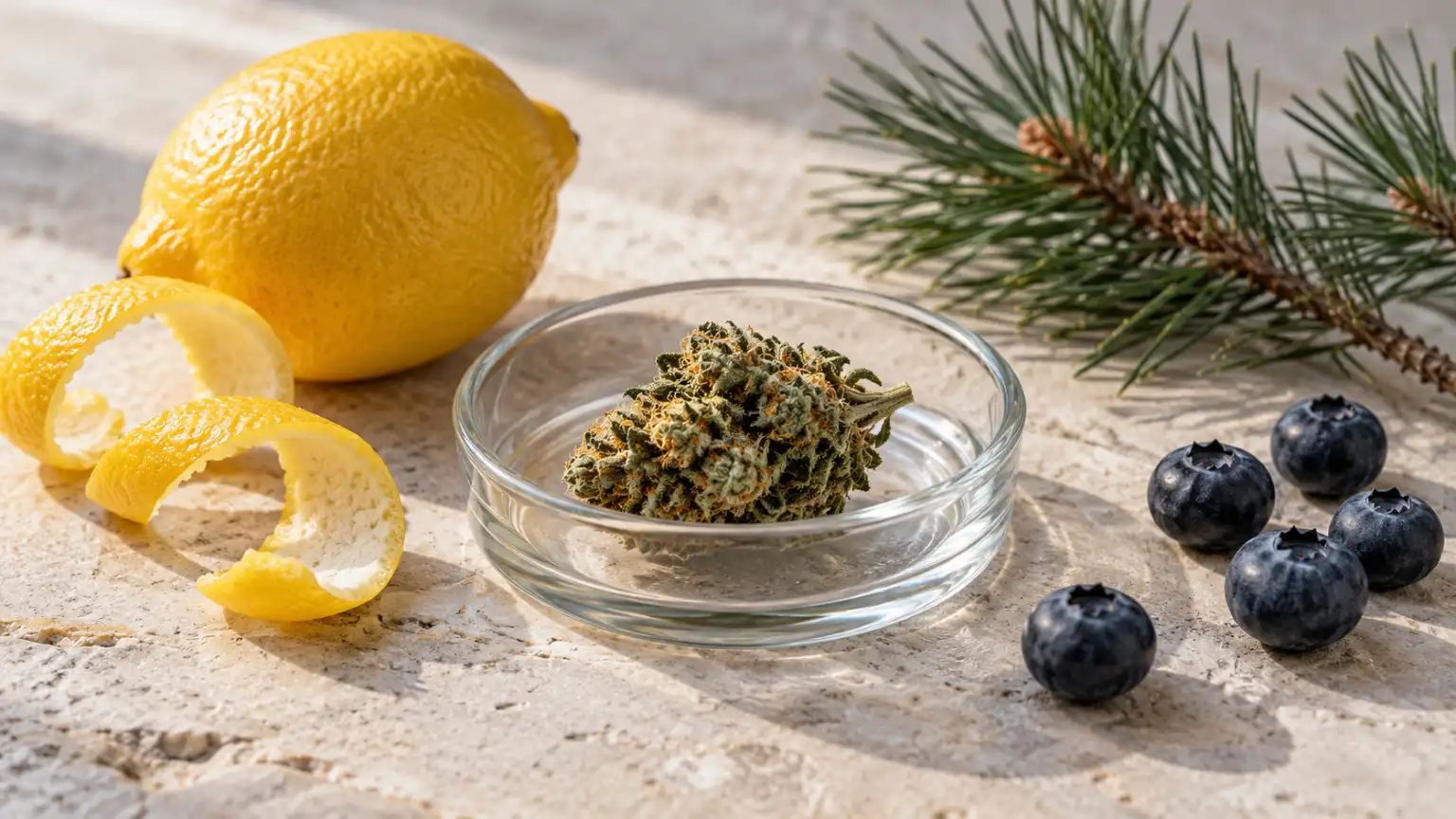
Much of what you smell and taste in cannabis comes from terpenes, the aromatic compounds in the plant's resin. Cannabis resin contains hundreds of different terpenes and cannabinoids, and researchers point out that many of them have not been fully identified yet (Booth et al., 2019).
Terpenes are not the whole story, though. A 2025 review of cannabis aroma and flavor describes a mix of volatile compounds, including terpenes, aldehydes, ketones, esters and sulfur-containing compounds, plus non-volatile ones like flavonoids. The same review explains that genetics, cultivation practices and post-harvest processing all shape these compounds in the flower (Kaminski et al., 2025).
In plain terms: the strain sets the possibilities, and the way you grow, dry, cure and store your buds decides how much of that flavor you keep.
Start with genetics
No technique turns a strain into something it is not. If you want lemon, berry or tropical notes, pick a strain that is known for them. Names like Lemon Haze, Blueberry and Pineapple Express are popular partly because of their flavor.
Even so, two plants of the same strain can taste different. Booth and Bohlmann note there is concern about how consistent the terpene and cannabinoid make-up of different "strains" really is, and that our understanding of what causes the variation is still basic. So treat the flavor on a seed pack as a direction, not a promise.
Every strain in our range has been grown by us at least once, and our breeders and staff are growers and smokers, some with close to 40 years of growing experience. Our view: a strain grown well tastes like itself, and a strain grown badly mostly tastes like a bad grow.
Grow a healthy plant
In our experience, a plant that is overfed, stressed by heat or kept in a sick root zone rarely gives its best flavor. Some practical points:
- Do not overfeed. More nutrients do not mean more flavor, and burnt leaf tips are a sign you went too far.
- Keep the grow room from getting too hot in late flowering. Aroma is easy to lose and hard to get back.
- Feed organically if you like, but do it because it suits your grow. Organic feeding is more natural, not automatically better.
- Grow with passion, not for the money. People who pay close attention to their plants tend to notice problems early, and that shows in the jar.
Flushing before harvest
Many growers, us included, stop feeding nutrients and give only plain water in the final days before harvest. In our experience this gives a cleaner, smoother smoke. This is grower experience, though. We have not seen solid research that proves flushing improves the taste, so treat it as a habit that works for us rather than a proven fact. Our guide on flushing weed plants explains how we do it.
Why we skip "flavoring the roots"
A popular tip says you can water your plants with citrus peel, vanilla extract or fruit terpenes during the last days before harvest, so that the flavor is taken up through the roots into the buds. We do not recommend it. We know of no research showing that flavors fed to the roots end up in the buds, and you are adding something to the root zone right at the end of a long grow, when you have the most to lose. The same goes for putting the stems of freshly cut branches in flavored water after harvest. It sounds clever, but we know of no evidence for it.
Harvest at the right time
Harvesting too early or too late both change what ends up in your jar. When to cut depends on the strain and on what you want, so look at the trichomes rather than only the calendar. Our step-by-step guide from harvest to jar covers when to harvest, how to dry, how to trim and how to cure.
Dry slowly and cure with patience
This is where many good grows lose their flavor. A 2026 review of research on cannabis after harvest found that drying methods and storage conditions such as temperature, light, oxygen and moisture consistently changed the aroma compounds in the flower, with some lost and others formed. It also names water activity, how much free moisture is in the product, as decisive for stability (review on cannabis from crop to shop, 2026).
What that means at home:
- Dry your buds evenly, in the dark, with gentle air movement around them but not blowing directly on them.
- Do not rush drying with heat.
- Once the small stems snap instead of bending, move the buds into airtight glass jars to cure.
- Open the jars regularly in the first weeks to let moisture escape, and check for any damp or musty smell.
Curing is not a quick fix, but it often turns a harsh smoke into a pleasant one. Read how long it takes to cure weed for the full timeline.
Store your buds well
Good flavor can still fade in storage. Keep cured buds in an airtight container, away from light and heat, and do not leave the jar open longer than needed. The same review lists temperature, light, oxygen and moisture as the storage conditions that change the profile, so keeping those four under control helps protect what you grew.
What about adding flavor to dried buds?
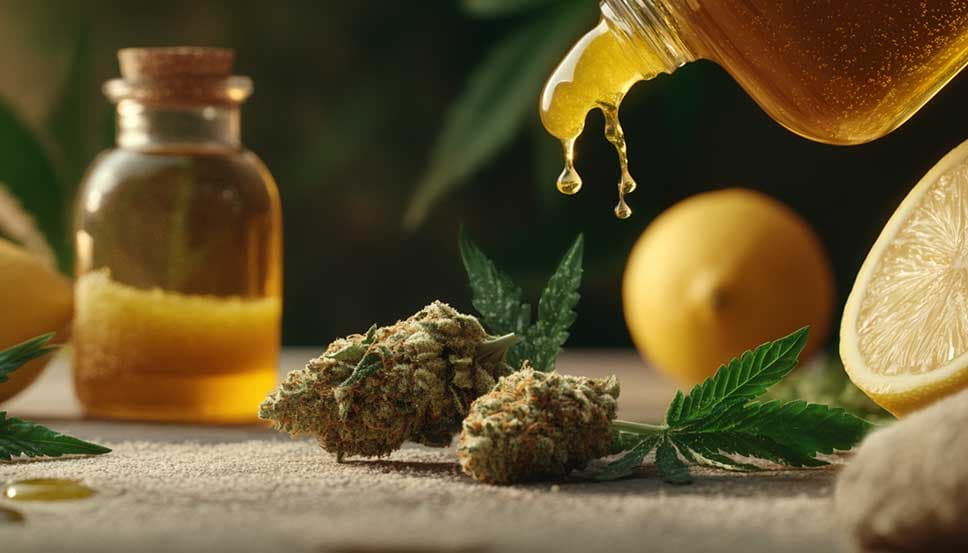
You will find tips online about taping a cotton ball soaked in essential oil or food extract (orange, vanilla, mint or cinnamon) inside the lid of your jar, or adding citrus peels, rose petals, rosemary or clove to the jar during curing.
We would not do it. Fresh peel and soaked cotton bring extra moisture into a closed jar, and moisture is exactly what you are trying to control during curing; a damp jar is how buds go moldy. Essential oils and food flavorings are not made to be burned and inhaled, so we would not put them near something you plan to smoke. And even if it works, the result is weed that smells of something else, not better weed.
If your buds taste harsh or bland, the honest fix is usually upstream: a longer cure for this batch, and a slower dry and a different strain for the next one.
Strains to start with
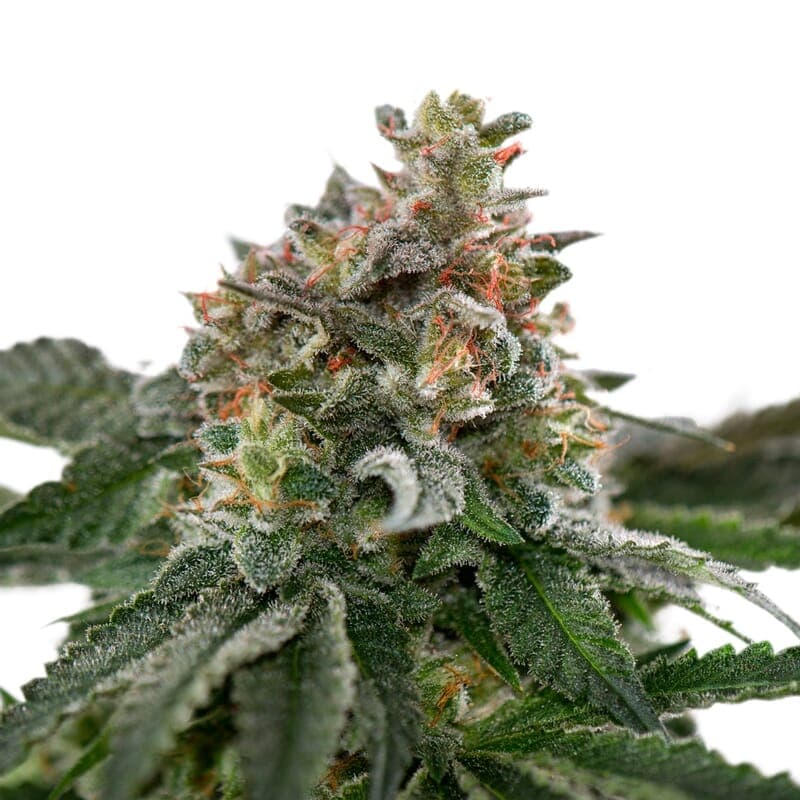
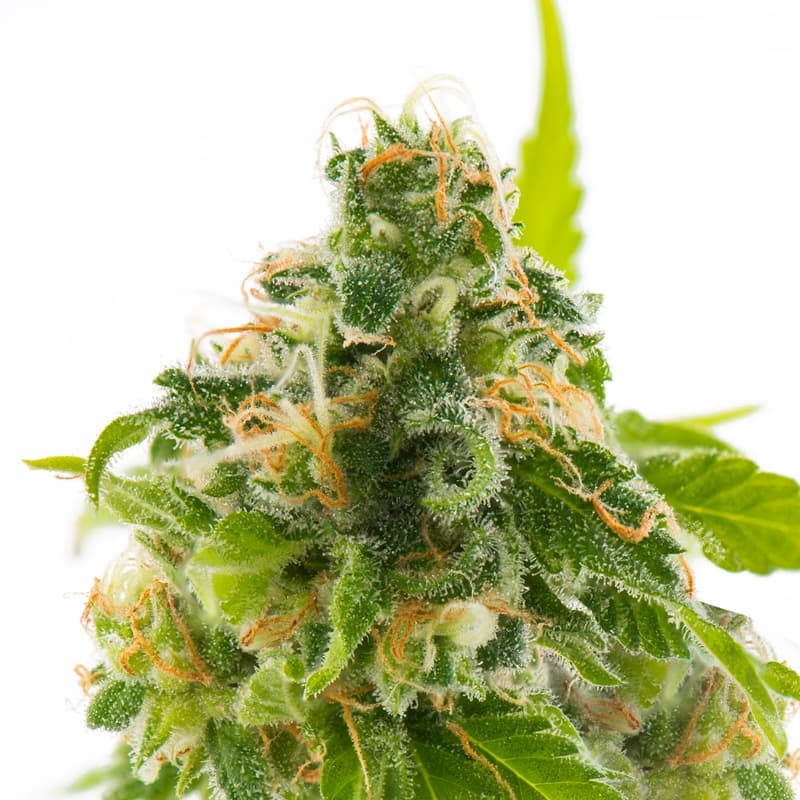
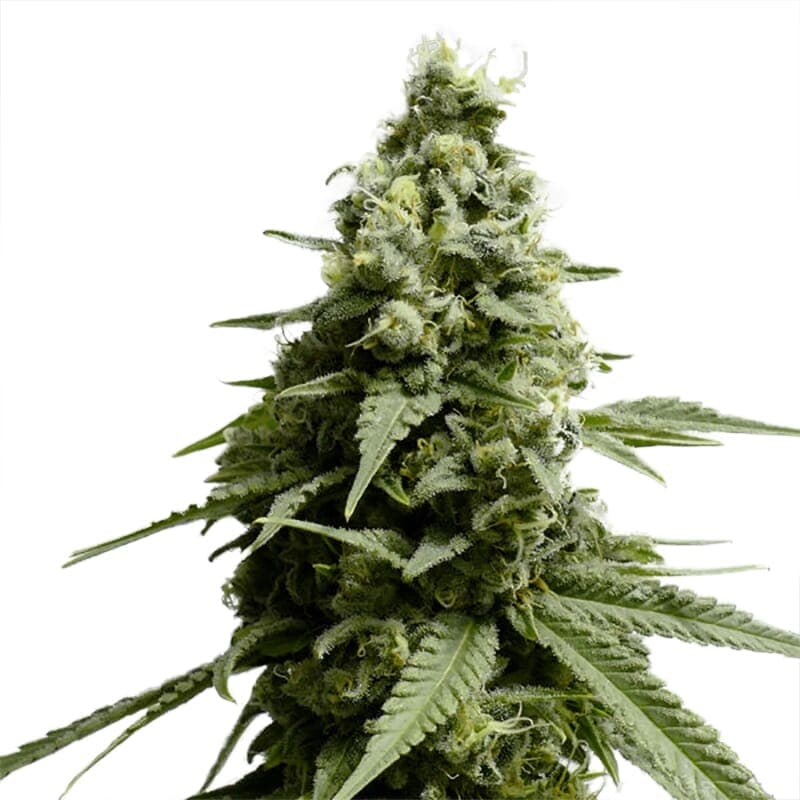
If flavor is your main goal, pick genetics that point in the direction you like. Our catalog lists Pineapple Express with berry, fruity, sour and tropical notes, Strawberry Ice Feminized Seeds with berry, earthy, fruity, herbal, peppery and pine notes, and Blueberry 420 Autoflower Seeds with berry, fruity and sweet notes. If you grow in the north with short summers, an autoflower like Blueberry 420 is often the easier choice. For more background, see our article on terpenes in cannabis.