What is cannabis Ruderalis?
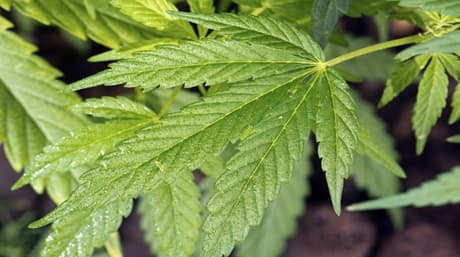
Cannabis ruderalis is a small, wild type of cannabis from Russia and Central and Eastern Europe that flowers by age instead of by day length. Botanists still debate whether it is its own species or a subspecies of Cannabis sativa. It has relatively low THC and is rarely grown for recreational use. Still, it matters to anyone who grows autos, because breeders crossed it with indica and sativa strains to make the autoflowering plants that now fill seed catalogues.
Where does ruderalis come from?
The plant was first described in 1924 by the Russian botanist D. E. Janischewsky. He was studying wild cannabis in the Volga River system and named ruderalis from plants he found in southern Siberia, as the Wikipedia entry on Cannabis ruderalis sets out.
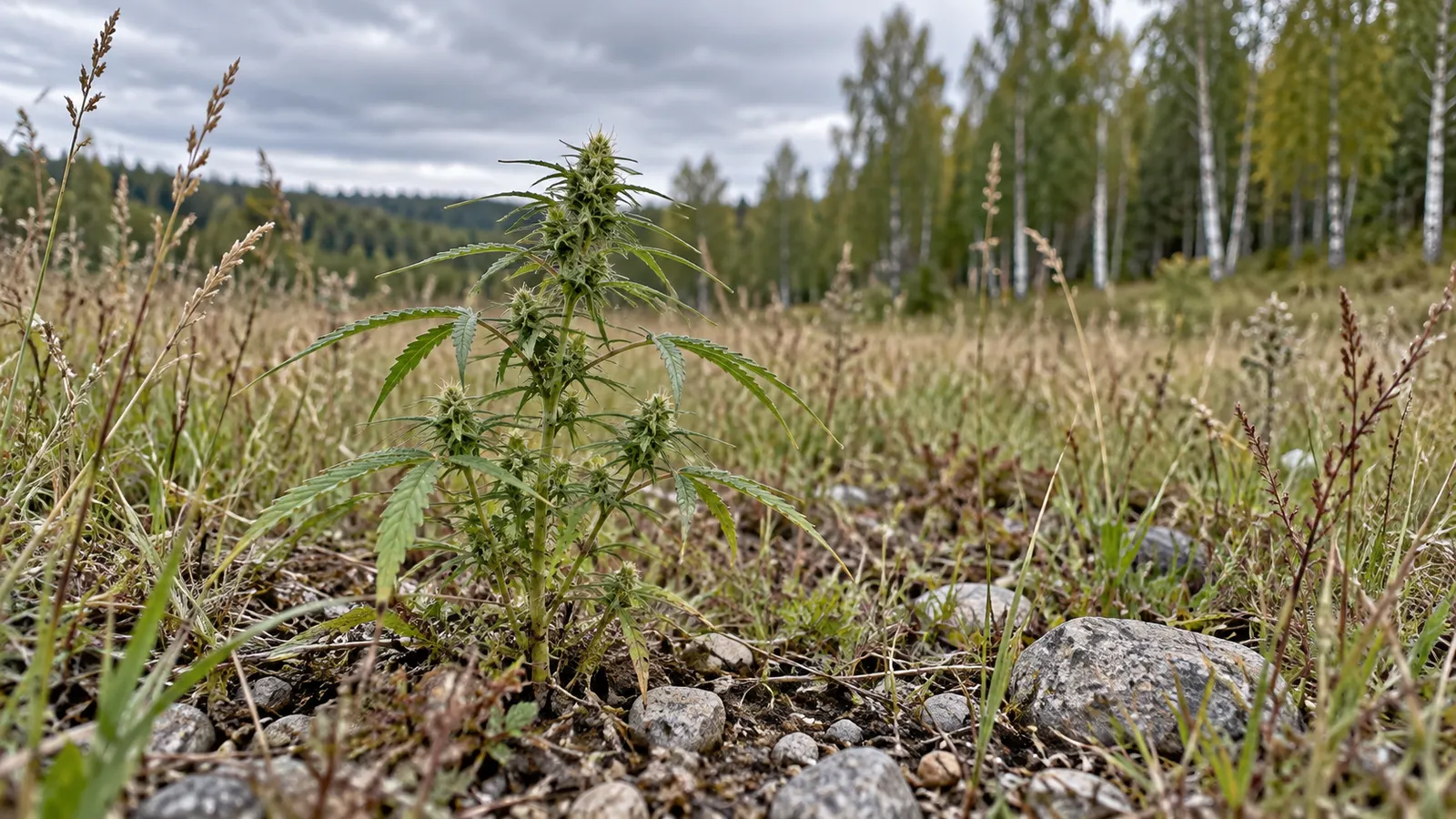
Wild populations still grow in Ukraine, Lithuania, Belarus, Latvia, Estonia and nearby countries. The plant also turns up here and there in the US and Canada, mostly in the Midwest. Wherever it grows, it does not wait for the days to shorten. It flowers by age.
What does the name ruderalis mean?
The name comes from the Latin word rudera, the plural of rudus, which means rubble. In botanical Latin, ruderalis means "weedy" or "growing among waste". Botanists call a plant ruderal when it is one of the first to colonise ground after a disturbance.
For this plant the name fits. A ruderal is one of the first to arrive on disturbed ground, and ruderalis is small and quick to mature.
What does a ruderalis plant look like?
Pure ruderalis is small. It rarely grows taller than about 60 cm (2 feet). The stems are thin and slightly fibrous, with little branching, and the foliage is open with fairly large leaves.
What stands out most is speed. A ruderalis plant typically reaches maturity 5 to 7 weeks after it is planted from seed. It gets there without any change in light, because it doesn't need a photoperiod to start flowering. Indica and sativa plants flower when the nights get longer. Ruderalis flowers when it is old enough.
Its chemistry is different too. Ruderalis has relatively low THC and is often high in CBD.
Ruderalis vs indica vs sativa: what is the difference?
Most growers know the indica vs sativa split. Ruderalis is the third name that comes up, and these are the differences that matter in practice:
- What triggers flowering: indica and sativa plants are photoperiod plants. They flower when the dark period gets long enough. Ruderalis flowers by age.
- Size: wild ruderalis rarely gets past about 60 cm.
- THC and CBD: ruderalis is relatively low in THC and often high in CBD. That is why ruderalis is rarely grown for recreational use.
- Origin: ruderalis comes from Russia and Central and Eastern Europe.
Whether ruderalis counts as a separate species is still open. Some scholars treat it as its own species, others see it as a subspecies of Cannabis sativa, and there is no consensus.
How did ruderalis give us autoflower seeds?
Because of its low THC, ruderalis is rarely grown for recreational use. Its value lies in the way it flowers. In the early 1980s, ruderalis seeds were brought to Amsterdam for seed bank breeding programmes. Breeders crossed ruderalis with sativa and indica strains to combine its age-based flowering with the flowers of the other two.
The result is the autoflower: a plant that flowers by age, whatever the light schedule. For the full picture of how these plants work, read what are autoflower seeds.
Today's autos have come a long way from the wild plant. The autoflowers in our shop list a flowering time of 6 to 10 weeks and grow to about 70 to 120 cm indoors, depending on the strain. That is a lot more plant than a wild ruderalis of about 60 cm.
What does the research say about the autoflower trait?
Growers have long described autoflowering as a simple recessive trait. Recessive means a plant only autoflowers when it carries the trait from both parents. So a first cross between an autoflower and a photoperiod plant usually doesn't autoflower.
Lab work now backs up what growers described. Two studies, from 2022 and 2024, looked at the genetics behind the trait. In 2022 a Cornell University team mapped the locus behind autoflowering and named it Autoflower1 (Toth et al., 2022). They also built DNA marker tests that breeders can use.
In 2024 a second team found a splice site mutation in autoflowering cannabis, in PRR37, a gene that is part of the plant's circadian clock (Leckie et al., 2024). They point out that autoflowering makes outdoor growing possible at high northern latitudes. They also report that the autoflowering plants they studied often had lower cannabinoid content and poorer flower quality.
Why does flowering by age matter for growers?
Indica and sativa plants flower when the dark period gets long enough. An autoflower flowers by age instead, whatever the light schedule, and that makes a few things simpler:
- Short summers: autos suit the north, where summers are short. The 2024 PRR37 study makes the same point: autoflowering makes outdoor growing possible at high northern latitudes.
- A first grow: there is no light schedule to get right, which makes a first grow a lot easier.
- Planning: the autos in our shop list a flowering time of 6 to 10 weeks, so you know roughly when to expect a harvest. Roughly, because the plant has the final say, as Jan explains below.
Can you grow pure ruderalis?
You can, but pure ruderalis stays small and has relatively low THC, which is why it is rarely grown for recreational use. Its role today is in breeding, where seed banks crossed it with sativa and indica strains to create autoflowering strains. What you buy as an autoflower is the result of that work, not the wild plant.
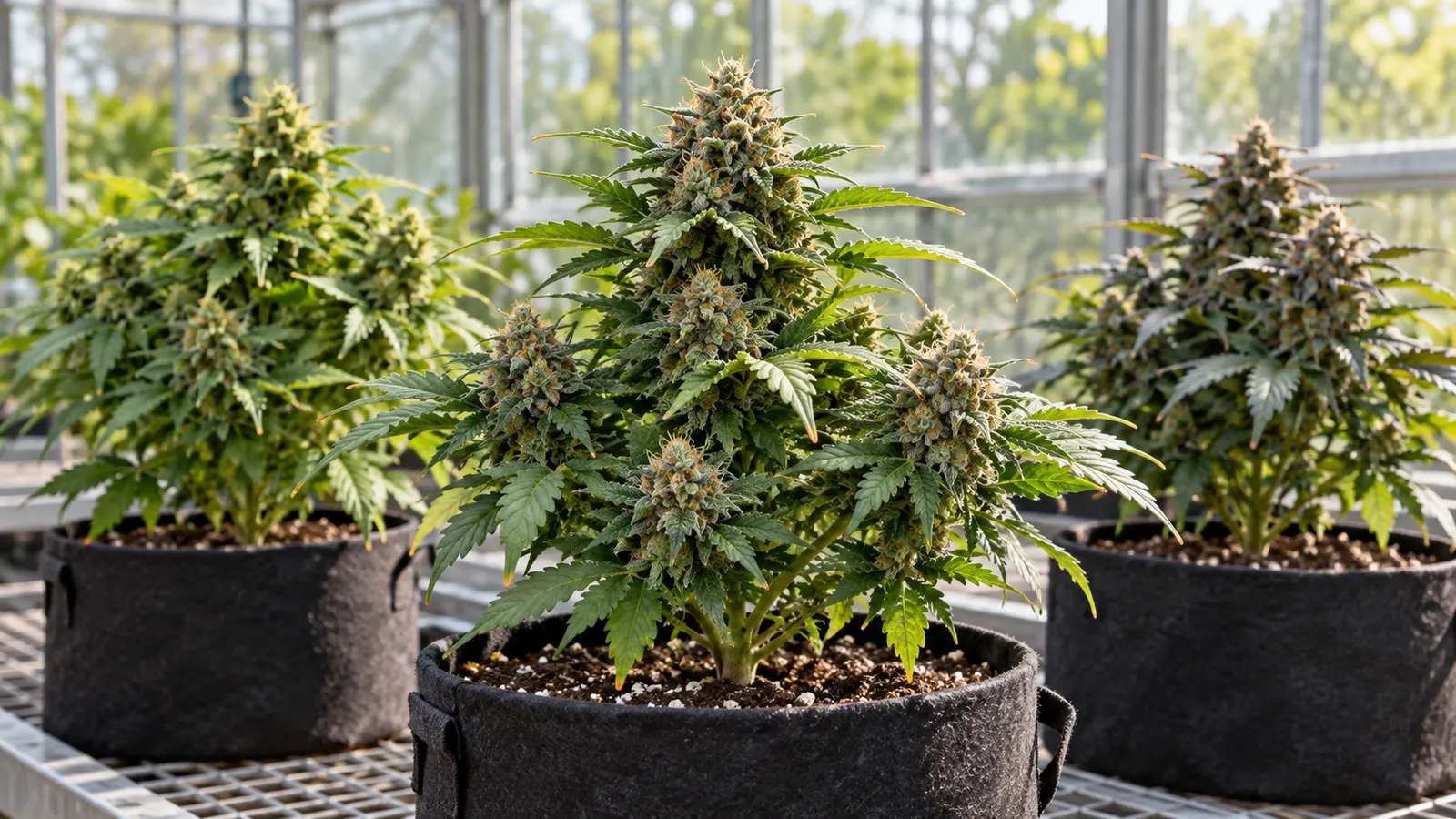
If the speed and the easy flowering are what attract you, grow a modern autoflower instead. You get the same flowering without a light switch, on a plant that grows to 70 to 120 cm indoors. Our guide on how to grow autoflower cannabis takes you through it step by step. For other wild genetics, read our guide to landrace cannabis strains.
What does Jan van Amsterdam say about growing autos?
Jan van Amsterdam founded AMS, and we have sold seeds since 1996. Pure ruderalis is not his subject, but the autos that came from it are. His view on growing them is a practical one:
- Forget the old idea of tiny plants with tiny yields. Modern autos grow bigger and give more than that.
- Don't top or prune hard, because it slows an auto down. Gentle bending (LST) works, because it shapes the plant without cutting anything off.
- Give them light. "More light is more weight," says Jan van Amsterdam, founder of AMS.
- Not every auto is ready after 8 weeks. Flowering time differs per strain, so look at the pistils and trichomes, not the calendar. The 6 to 10 weeks on a product page is a guide, and the plant itself tells you when it is done.
- Feminized photoperiod plants in principle always give more than autos.
Jan's own preference? Regular seeds and pure landrace strains. Even so, for a first grow we advise an autoflower, because it makes the whole thing a lot easier. If that sounds like your situation, have a look at our autoflower seeds. Our seeds are covered by our germination guarantee.
Autoflower, feminized or regular: which seeds should you pick?
AMS sells all three types, and each one suits a different grower. Here is how we would choose, based on the points above.
- Autoflower seeds flower by age, thanks to the ruderalis in their background. They make a first grow a lot easier, because there is no light schedule to manage, and they suit places with short summers. Expect a listed flowering time of 6 to 10 weeks and plants of about 70 to 120 cm indoors, depending on the strain.
- Feminized seeds grow into photoperiod plants. They flower when the dark period gets long enough, so flowering follows the light schedule. In principle they always give more than autos.
- Regular seeds are Jan's own favourite, together with pure landrace strains.
If you are still in doubt between the first two, our feminized vs autoflower guide puts them side by side. For a first grow we would start with an autoflower, as Jan's advice above says.
Frequently asked questions
Does ruderalis get you high?
Not much, since wild ruderalis has relatively low THC and is often high in CBD. That is why it is rarely grown for recreational use. A seed bank autoflower is a different plant. Breeders crossed ruderalis with indica and sativa strains to create autoflowering strains, which flower by age like ruderalis.
Is ruderalis indica or sativa?
Not in the way growers use those words. Some scholars treat ruderalis as its own species and others see it as a subspecies of Cannabis sativa, and there is no consensus. In the grow room it differs from both in one big way: indica and sativa flower when the nights get longer, while ruderalis flowers by age.
Are all autoflowers part ruderalis?
Autoflowering strains were created by breeding ruderalis with sativa and indica strains, and ruderalis seeds reached Amsterdam for seed bank breeding programmes in the early 1980s. The trait is recessive, so a plant only autoflowers when it carries it from both parents. That is why a first cross with a photoperiod plant usually does not autoflower.
How tall does ruderalis grow?
Wild ruderalis rarely grows over about 60 cm (2 feet), with thin stems and little branching, and it typically reaches maturity 5 to 7 weeks after planting from seed. Modern autos are bigger: the ones in our shop grow to about 70 to 120 cm indoors, depending on the strain, with a listed flowering time of 6 to 10 weeks.
Can I grow autoflowers in the UK climate?
Short summers suit autos, because they flower by age instead of waiting for the days to shorten. The law is a separate question. In the UK, section 6 of the Misuse of Drugs Act 1971 says it is not lawful to cultivate any plant of the genus Cannabis. Laws on seeds differ per country and change, so check your local law. Our UK seeds page has more.