Le cannabis est-il légal en Géorgie ?
La Géorgie a emprunté un chemin inhabituel en matière de cannabis : plutôt qu'une réforme législative parlementaire, les protections pour l'usage personnel et la culture sont venues d'une série de décisions de la Cour constitutionnelle annulant les peines criminelles comme disproportionnées. Le résultat est un cadre véritablement libéral selon les normes régionales — et un rappel que le pays en question est la Géorgie du Caucase, non l'État américain du même nom, une confusion qui vaut la peine d'être clarifiée d'emblée tant les deux sont souvent confondus dans les recherches occasionnelles.
Usage personnel : dépénalisé par décision judiciaire
Dans une décision historique de 2018, la Cour constitutionnelle de Géorgie a jugé que la punition criminelle pour la consommation personnelle de cannabis était inconstitutionnelle, s'appuyant sur une décision antérieure de 2015 allant dans le même sens. L'effet pratique : consommer du cannabis, et le posséder pour un usage personnel, n'est pas une infraction criminelle en Géorgie aujourd'hui. Cela provient de l'interprétation par la magistrature des protections des libertés individuelles dans la constitution géorgienne, non d'une législature choisissant activement de libéraliser la politique des drogues — un mécanisme de réforme véritablement différent de celui de n'importe quel autre pays couvert dans ce guide, et qui laisse la loi sous-jacente techniquement inchangée même si son application criminelle à l'usage personnel a été annulée.
Culture à domicile : également traitée par les tribunaux
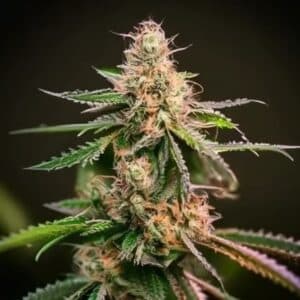
Une décision connexe de la Cour constitutionnelle de 2017 a étendu un raisonnement similaire à la culture à domicile pour usage personnel, ce qui signifie que cultiver une quantité modeste et clairement personnelle n'est pas traitée comme une infraction criminelle de culture de la manière dont c'est le cas dans la plupart de l'Europe. L'achat de graines de cannabis n'est affecté d'aucune façon — les graines sont un produit horticole sans restriction, et la libéralisation menée par les tribunaux géorgiens rend si quelque chose le parcours graine-vers-culture-personnelle plus établi que dans de nombreux pays de l'UE couverts ailleurs dans ce guide.

Ce qui n'a pas changé : la production ou la vente à titre distributif restent illégales et poursuivies, et il n'existe aucun marché légal de détail — pas de boutiques, pas de dispensaires autorisés. La réforme géorgienne couvre l'usage personnel et la culture spécifiquement, non une chaîne d'approvisionnement commerciale.
Pas un membre de l'UE, et à ne pas confondre avec l'État américain
La Géorgie est un pays du Caucase frontalier de la Russie, de la Turquie, de l'Arménie et de l'Azerbaïdjan, et se situe entièrement en dehors de l'UE — sa réforme du cannabis s'est déroulée indépendamment de toute conversation politique au niveau de l'UE, menée purement par sa propre cour constitutionnelle. L'intérêt de recherche pour « is weed legal in Georgia » est véritablement partagé entre ce pays et l'État américain du même nom, qui dispose d'une législation sur le cannabis entièrement distincte (et considérablement plus stricte) selon les cadres fédéraux et étatiques — il vaut la peine de vérifier quelle Géorgie une source donnée décrit réellement.
Comment la Géorgie se compare au reste de ce guide
Jugée purement sur l'usage personnel et la culture, la libéralisation menée par les tribunaux géorgiens la place devant la plupart des pays de l'UE couverts dans le groupe « dépénalisé » de ce guide, et est arguablement plus proche dans l'effet pratique de la culture légale à domicile de Malte ou du Luxembourg que des cadres beaucoup plus stricts de la Lituanie ou de la Pologne — malgré le fait que la Géorgie n'ait jamais adopté une seule loi de légalisation. C'est l'un des exemples les plus clairs de ce guide où la réforme judiciaire dépasse la réforme législative.
Ceci fait partie de notre guide complet sur la législation du cannabis en Europe — découvrez comment la Géorgie se compare à Malte et au Luxembourg.
Graines associées
Questions fréquentes
La consommation personnelle et la possession pour usage personnel ne constituent pas des infractions pénales, suite aux décisions de la Cour constitutionnelle de 2015 et 2018. Il s'agit ici de la Géorgie, le pays du Caucase, et non de l'État américain, qui dispose d'une législation entièrement distincte.
Une décision de la Cour constitutionnelle de 2017 a étendu une protection similaire à la culture à domicile pour usage personnel, de sorte qu'une modeste culture personnelle n'est pas traitée comme une infraction pénale.
Non. Il n'existe pas de marché de détail légal. La production et la vente à titre distributif restent illégales ; les décisions judiciaires couvrent uniquement l'usage personnel et la culture.
Non. La Géorgie est un pays du Caucase frontalier de la Russie, de la Turquie, de l'Arménie et de l'Azerbaïdjan, en dehors de l'UE. Sa réforme en matière de cannabis provient de sa propre Cour constitutionnelle, indépendamment de toute politique de l'UE.