
Le cannabis est-il légal en Belgique ?
La loi belge sur le cannabis est l'une des plus confuses d'Europe occidentale, et ce n'est pas un hasard : plutôt que de légaliser ou de dépénaliser complètement l'usage récréatif, la Belgique gère la question depuis plus de vingt ans par le biais de directives de poursuites — des instructions officielles indiquant à la police et aux procureurs ce qu'il faut déprioritiser, superposées à une loi pénale qui, sur le papier, interdit toujours la chose dans son ensemble.
Cannabis récréatif : toléré par directive, non par la loi
La possession, la culture et la vente de cannabis restent des infractions pénales selon la loi fédérale belge sur les drogues. Ce qui a changé, à partir d'une loi de 2003 et affiné par une circulaire conjointe de 2005 du ministre de la Justice et du Collège des procureurs généraux, c'est la priorité d'application : les adultes trouvés en possession d'une petite quantité pour usage personnel — généralement citée comme jusqu'à 3 grammes, ou une seule plante de cannabis — ne sont généralement pas poursuivis, à condition qu'il n'y ait pas de trouble à l'ordre public et aucune circonstance aggravante comme la proximité d'une école. Il s'agit d'une directive, non d'une loi : elle peut être retirée ou réinterprétée par un gouvernement futur sans vote parlementaire, et elle a déjà été restreinte une fois, en 2006, après que les premières directives aient été interprétées comme un feu vert involontaire.
Fait crucial, la directive couvre la possession, non la vente. Il n'existe pas de canal légal pour acheter du cannabis en Belgique comme c'est le cas dans les coffee-shops des Pays-Bas — quelqu'un toléré pour détenir un gramme n'a aucun moyen toléré de l'avoir obtenu, ce qui explique en partie pourquoi la politique belge du cannabis est souvent décrite comme intérieurement incohérente plutôt que libérale.
La règle de la 1 plante et les clubs sociaux de cannabis
La tolérance pour une seule plante est ce qui rend la Belgique intéressante pour quiconque pense spécifiquement aux graines. Une plante de cannabis non fleurie, cultivée pour usage personnel, entre dans le même cadre de tolérance des poursuites qu'une poignée de grammes de fleur séchée — c'est toujours techniquement illégal, mais ce n'est pas une priorité de poursuites selon la même directive de 2005. Cela a donné naissance à une véritable scène de clubs sociaux de cannabis semi-organisée, plus visiblement Trekt Uw Plant à Anvers, fondée en 2006 et toujours en activité : les membres possèdent nominalement chacun une plante cultivée collectivement, structurée spécifiquement pour rester dans le cadre de possession toléré plutôt que de le contester devant les tribunaux. Les clubs sociaux belges sont plus petits et moins développés commercialement que ceux d'Espagne, et les tribunaux ont occasionnellement testé les limites du modèle, mais la logique de base de la 1 plante a tenu bon pendant près de deux décennies.
L'achat de graines de cannabis elles-mêmes n'est pas la partie de cette chaîne qui attire l'attention des autorités en Belgique — les graines sont largement vendues comme produit horticole dans toute l'UE, et c'est la germination et la culture au-delà de la seule plante tolérée qui comporte un risque juridique, non l'achat de graines lui-même.
Cannabis médical
La Belgique a légalisé un produit médical à base de cannabis très spécifique — un spray pharmaceutique à base de cannabis — en 2015, ce qui en faisait l'un des premiers pays de l'UE à autoriser une forme quelconque de cannabis médical. En pratique, le programme est resté limité : l'accès est bien plus restreint que dans les pays disposant d'un cadre de prescription plus large, comme l'Allemagne ou le Royaume-Uni, et la plupart des patients signalent des difficultés importantes à trouver un médecin prescripteur ou une pharmacie qui stocke le produit. Il y a eu des discussions politiques périodiques sur l'expansion du programme pour couvrir les fleurs et un éventail plus large de conditions, mais à l'heure actuelle, l'accès au cannabis médical en Belgique reste l'un des plus restrictifs en Europe occidentale malgré une légalisation précoce.
Sanctions lorsque la tolérance ne s'applique pas
En dehors de la zone de tolérance de 3 grammes/1 plante, les sanctions relatives au cannabis en Belgique s'aggravent rapidement. La possession de quantités plus importantes, la culture au-delà d'une seule plante, et toute activité qui ressemble à de la distribution peuvent entraîner des amendes et de l'emprisonnement, les peines augmentant fortement pour tout ce qui est considéré comme une opération à l'échelle commerciale. Parce que la tolérance quotidienne est une directive plutôt qu'une loi, la façon dont une affaire spécifique est réellement poursuivie dépend fortement du jugement de l'agent de police et du procureur individuels du jour — la même quantité peut être ignorée dans un contexte et poursuivie dans un autre, ce qui représente une forme d'incertitude juridique véritablement différente d'un pays disposant d'un seuil numérique strict inscrit dans la loi.
La Belgique se dirige-t-elle vers une véritable légalisation ?
La réforme du cannabis en Belgique a été un sujet politique récurrent mais non résolu pendant des années. Des propositions visant à codifier la politique de tolérance en une véritable dépénalisation, ou à réglementer explicitement les clubs de cannabis sociaux dans la loi plutôt que de les laisser fonctionner dans la zone grise de la directive, ont été soulevées sous plusieurs coalitions gouvernementales sans devenir loi. La structure fédérale de la Belgique — la politique en matière de drogues relève largement de la compétence fédérale, mais la santé publique et la prévention touchent aussi le gouvernement régional — ajoute une couche de complexité politique que des pays comme le Luxembourg ou Malte n'ont pas eu à naviguer sur leur chemin vers une légalisation complète. À l'heure actuelle, la directive de poursuites de 2005, et non un nouveau statut, reste la règle opérationnelle.
Ceci fait partie de notre guide complet sur les lois sur le cannabis en Europe — voyez comment la Belgique se compare à ses voisins.
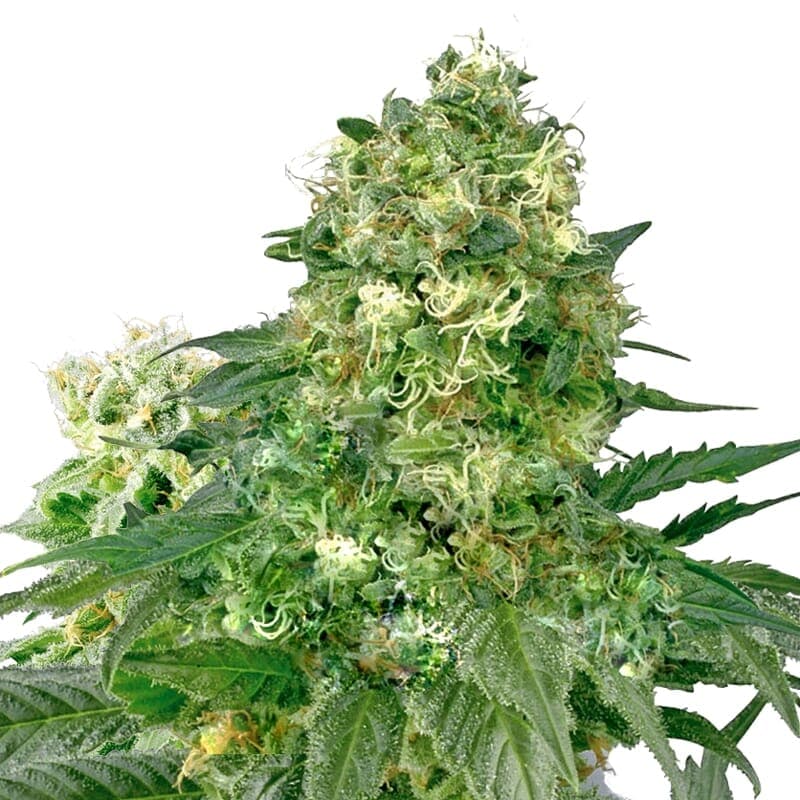
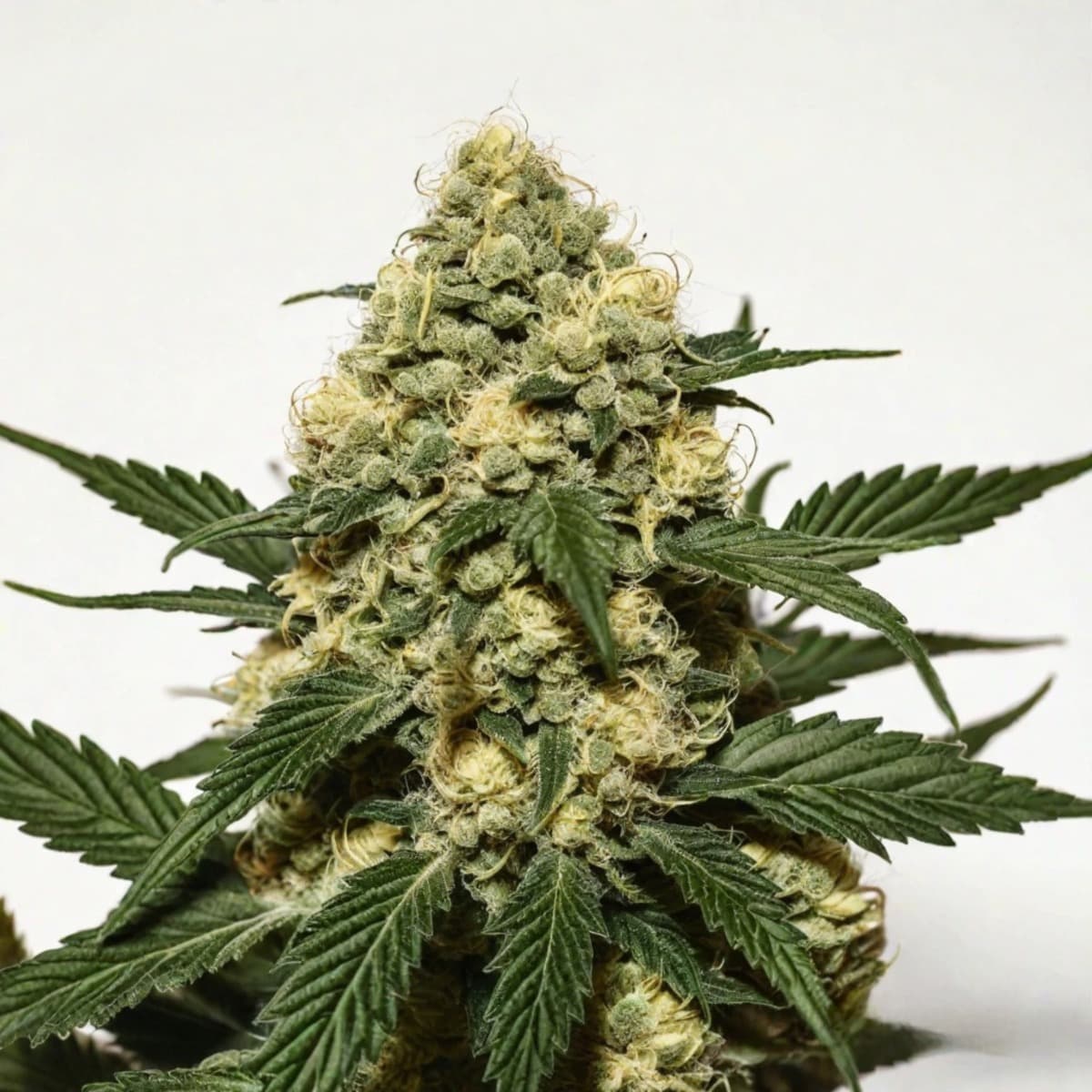
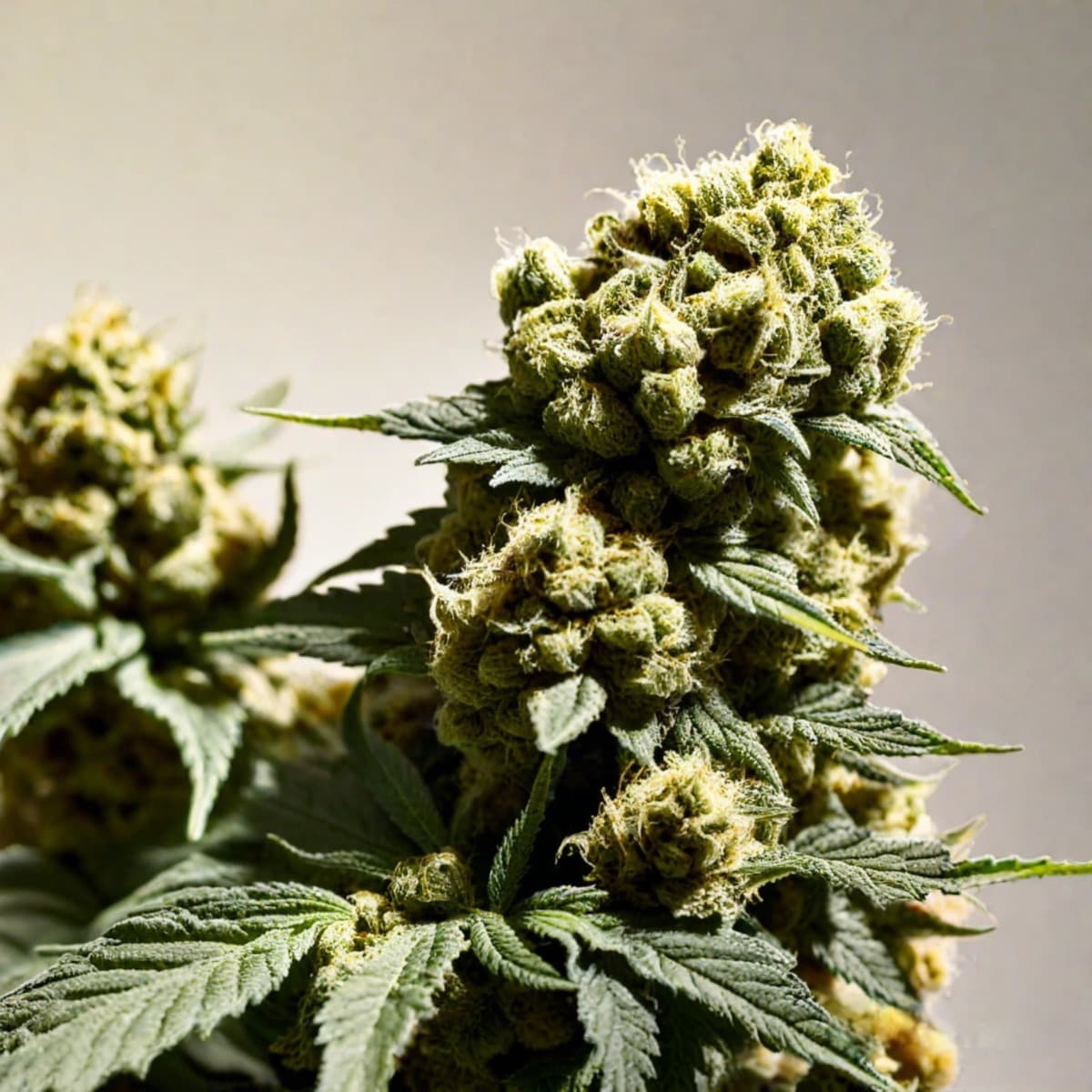
Graines associées
Questions fréquentes
Pas légalement, mais une directive de poursuites de 2005 signifie que les adultes détenant jusqu'à environ 3 grammes ou une plante non fleurie à titre personnel ne sont généralement pas poursuivis, à condition qu'il n'y ait pas de nuisance publique. L'infraction de possession sous-jacente reste inscrite au code.
Une seule plante non fleurie à titre personnel entre dans le cadre de la même tolérance de poursuites que la possession de petites quantités. C'est la base du modèle belge des clubs de cannabis sociaux, où les membres cultivent chacun nominalement une plante collectivement.
Oui, depuis 2015, mais l'accès est limité à un produit pharmaceutique spécifique à base de cannabis et les médecins prescripteurs sont difficiles à trouver. Il reste l'un des programmes de cannabis médical les plus restrictifs en Europe occidentale.
Les graines de cannabis se vendent ouvertement comme produit horticole dans toute l'UE, y compris en Belgique. C'est la culture au-delà de la plante tolérée, pas l'achat de graines lui-même, qui présente un risque légal.


