How reviews are checked
Both Kiyoh and eKomi invite customers to leave a review after an order. Kiyoh states that it checks reviews for authenticity. The Kiyoh score covers all our reviews to date; the eKomi score covers the last 12 months.
- Feminisoitu
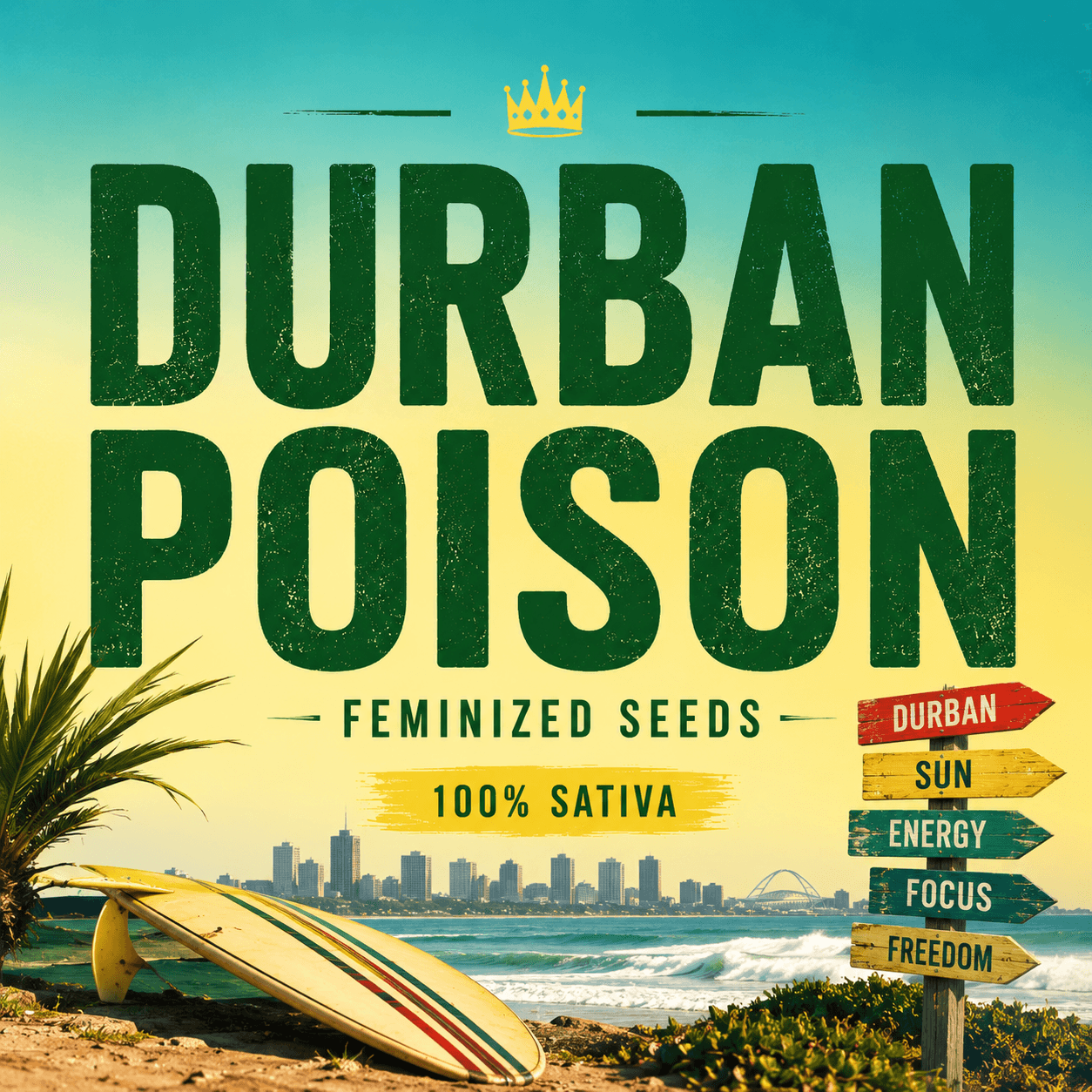
Durban Poison Feminized Seeds
Kiyoh 8,2/10, 8 372 kauppa-arvostelun perusteella (30.9.2026) · Lue arvosteluja
Ilmainen seurattava toimitus maailmanlaajuisesti · Valinnainen vakuutus kassalla
- Auringon kypsyttämää genetiikkaa: suurin osa siemenistämme on jalostettu ulkona, luonnollisen auringonvalon alla
- Luotettu siemenpankki vuodesta 1996 · meistä
- Ilmainen huomaamaton toimitus maailmanlaajuisesti · kustannukset ja seuranta
- Toimitus 21 arkipäivässä Euroopassa ja 31 muualle, lähetyspäivästä laskettuna · UKK
- Kadonneet vakuutetut paketit lähetetään uudelleen tai hyvitetään · ehdot
- Kasvatusongelma? Kerro meille 90 päivän sisällä lähetyksestä · UKK
- THC
- Up to 23%
- Sisäsato
- Up to 400 g/m²
- Kukinta
- Keskipitkä (8-12 viikkoa)
- Vaikutus
- Luova, Iloinen, Tuottava, Mieltä kohottava
- Vaikeustaso
- Vaativa, Kohtalainen
- Maku
- Sitrus, Maanläheinen, Lakritsi, Pippurinen, Makea
Tekniset tiedot
| Siementyyppi | Sativa |
| THC-pitoisuus | Korkea THC |
| THC Level | Up to 23% |
| Yield | Average |
| Yield (indoor) | Up to 400 grams / 14 ounces per sq meter |
| Indica / Sativa | 0% / 100% |
| Kukinta-aika | Keskipitkä (8-12 viikkoa) |
| Height (indoor) | Up to 160 cm / 63 inch |
| Kasvin koko | Keskikokoinen |
| Ilmasto | Välimerellinen, Lämmin ja kuiva |
| Kasvatuksen vaikeus | Vaativa, Kohtalainen |
| Vaikutukset | Luova, Iloinen, Tuottava, Mieltä kohottava |
| Maku ja tuoksu | Sitrus, Maanläheinen, Lakritsi, Pippurinen, Makea |
Tietoa: Durban Poison Feminized Seeds
Durban Poison: A Legendary South African Landrace
Durban Poison is a 100% pure Sativa landrace strain, native to the port city of Durban in South Africa. Since it reached the West in the 1970s, it has earned a reputation as one of the most sought-after cannabis strains in the world, and it has served as the genetic base for countless well-known hybrids. Plenty of growers simply call it "Durbs".
Origins
Cannabis activist, grower, and seed hunter Ed Rosenthal brought this landrace strain to the United States, where he passed it on to Mel Frank, author of the 1978 "Marijuana Grower's Guide Deluxe." Frank refined the genetics for higher resin production and a shorter flowering time, so the plant would finish earlier in cooler climates. The strain went on to become a staple with growers and coffeeshops in Amsterdam, and many hybrids on the Dutch market today trace back to it.
Characteristics
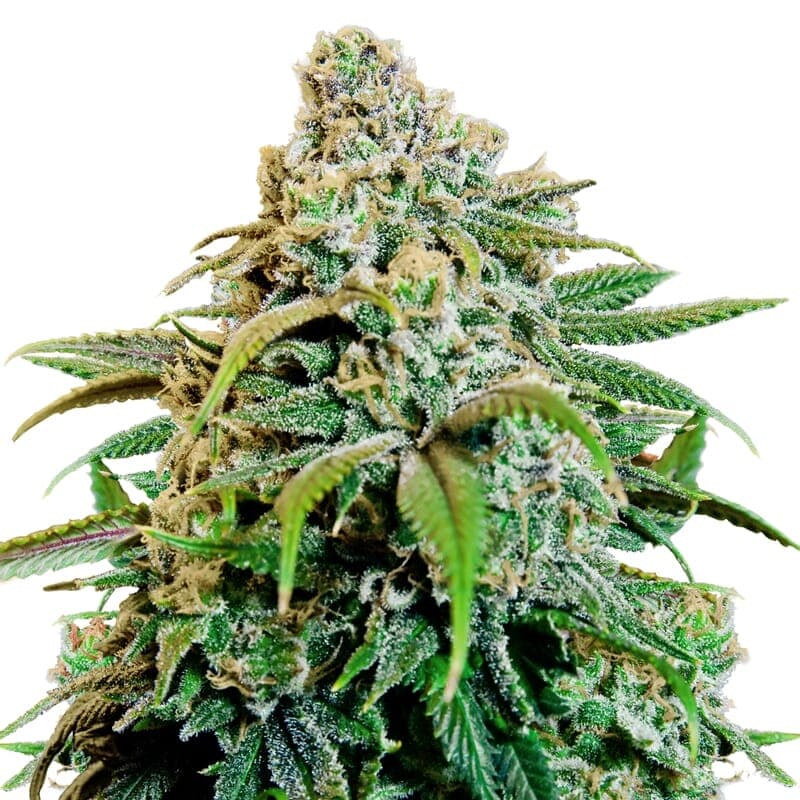
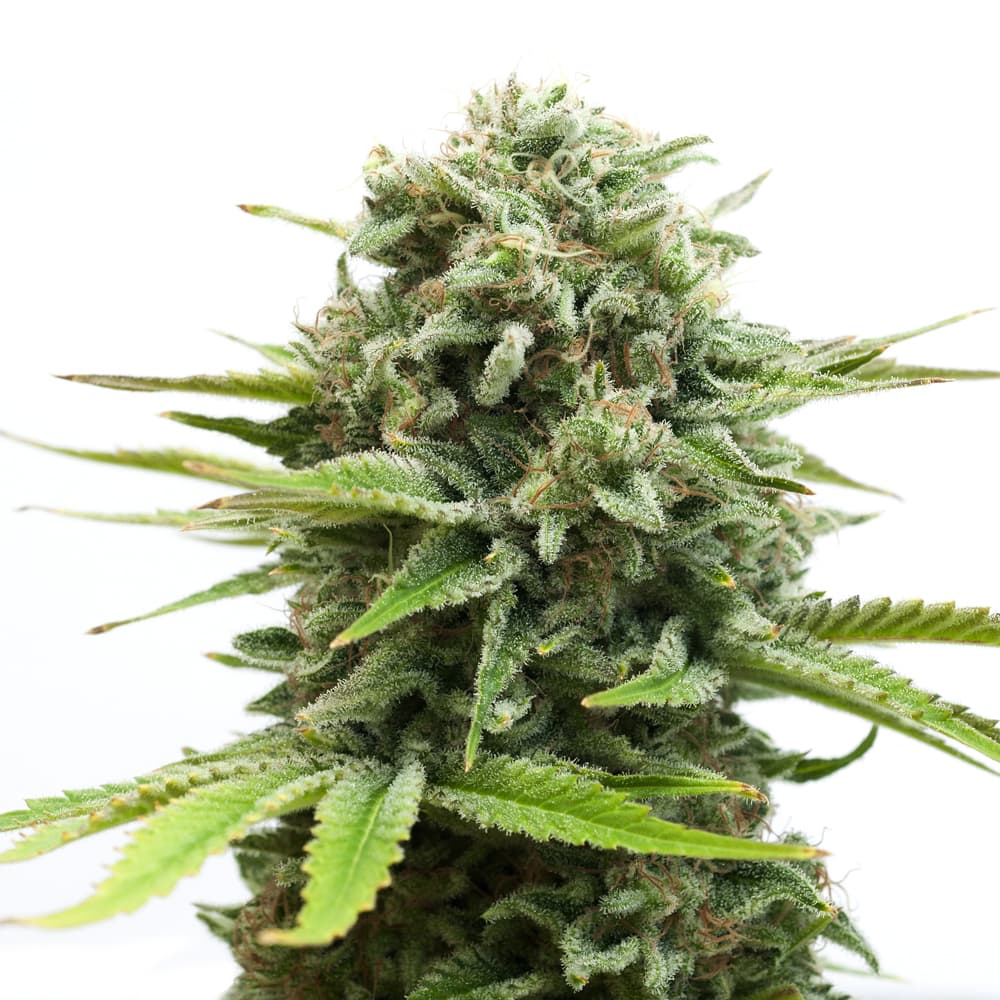
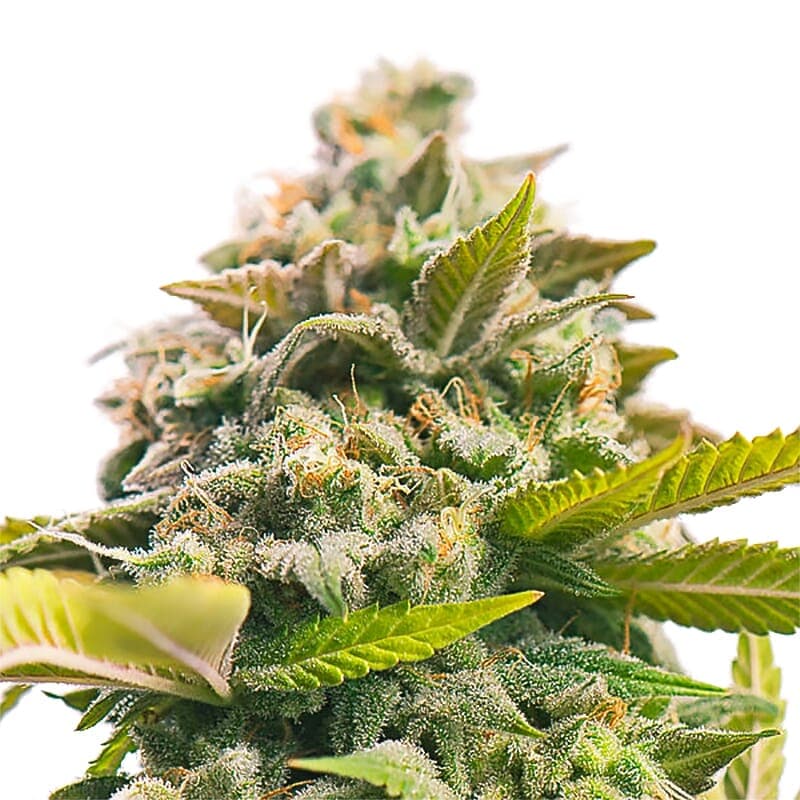
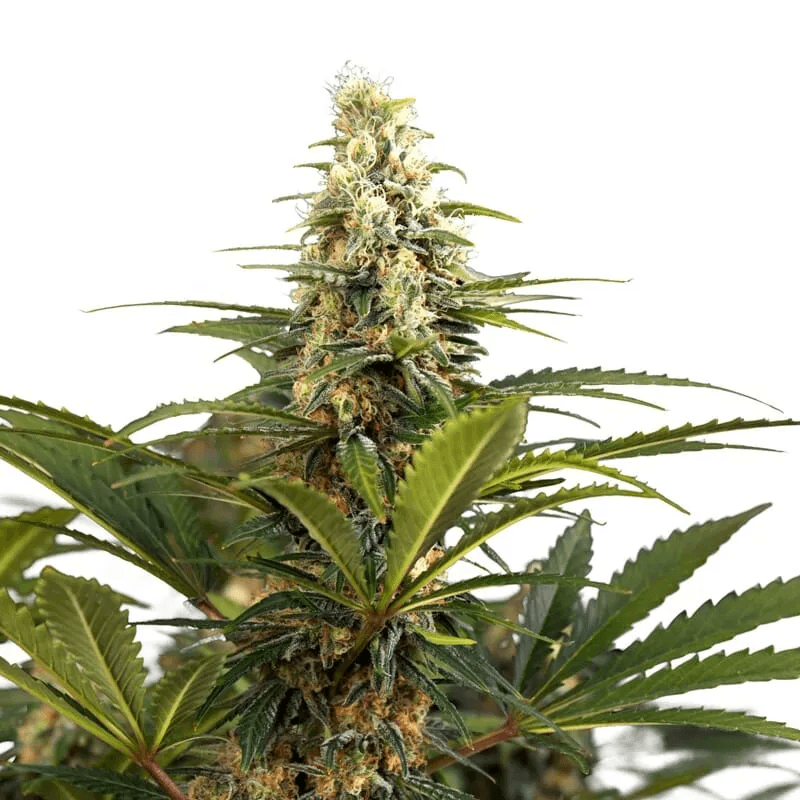
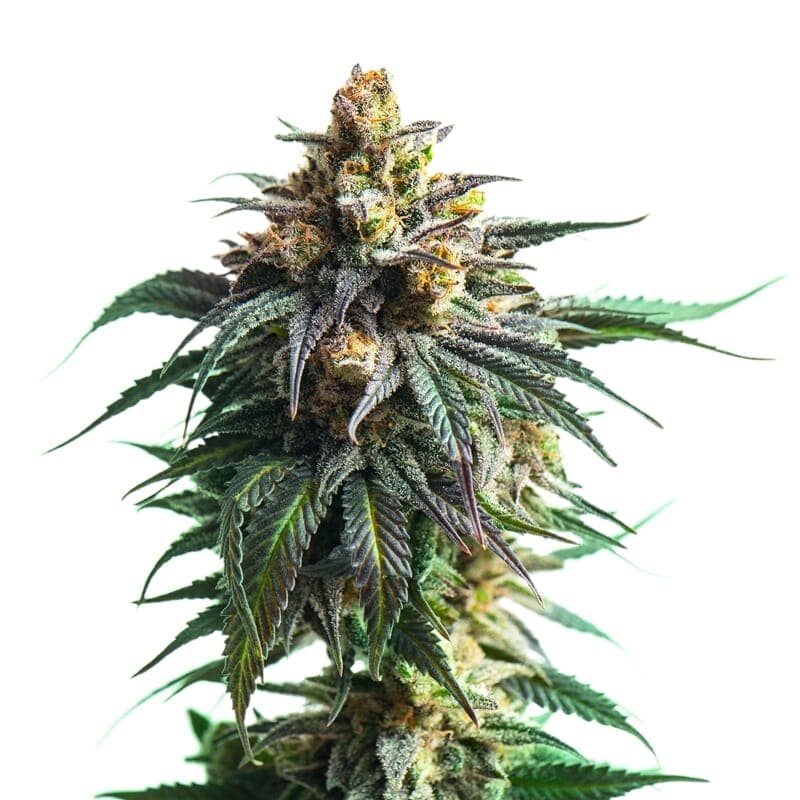
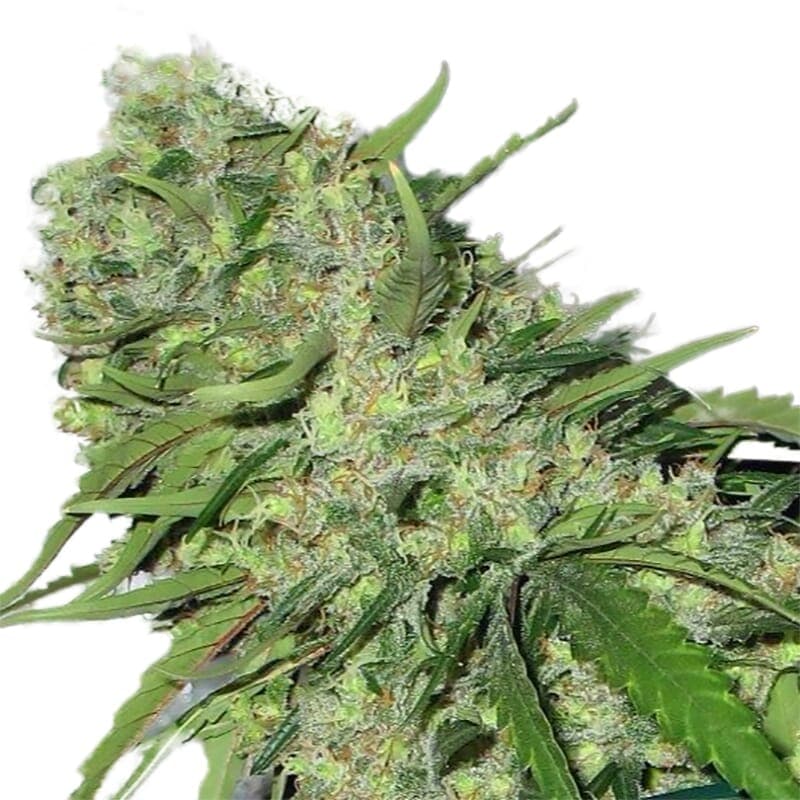
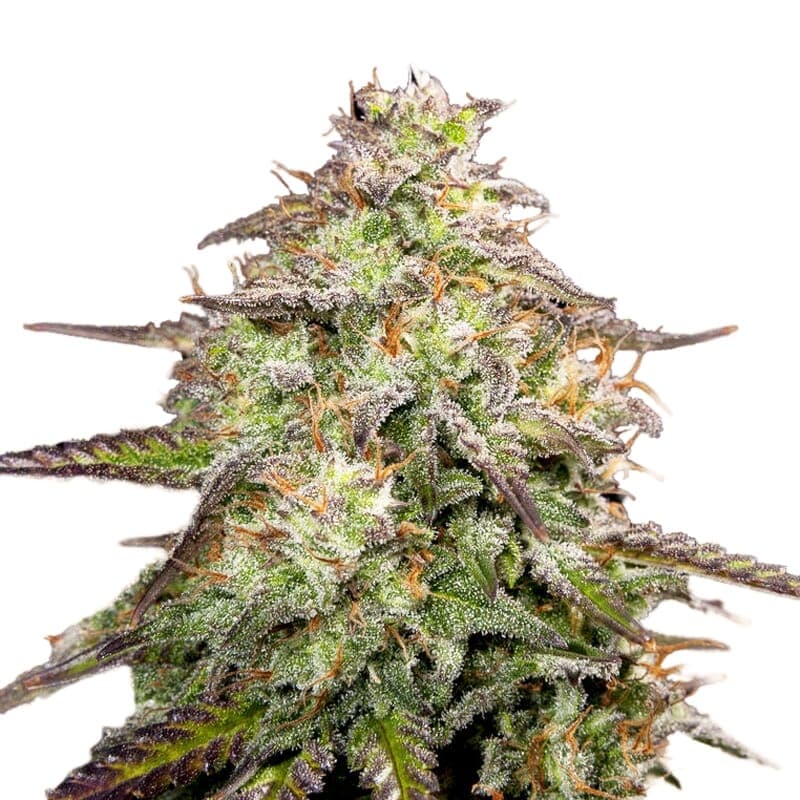
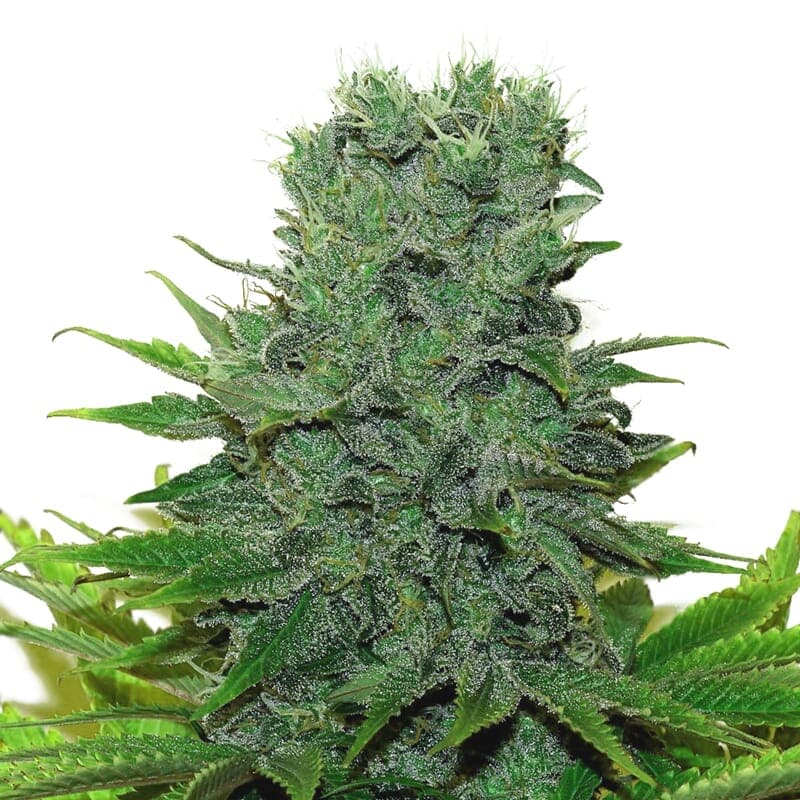
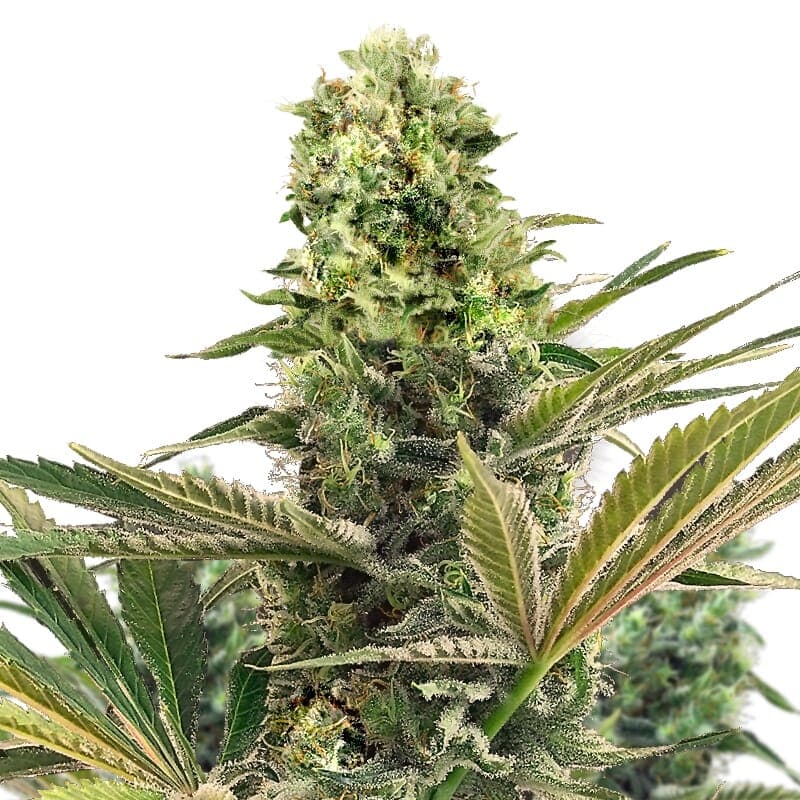
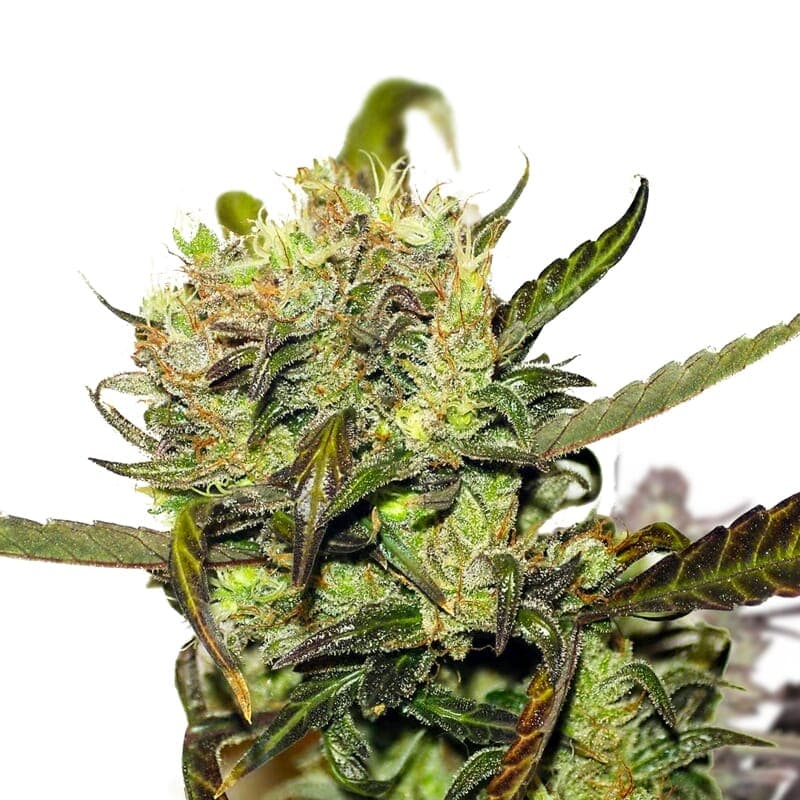
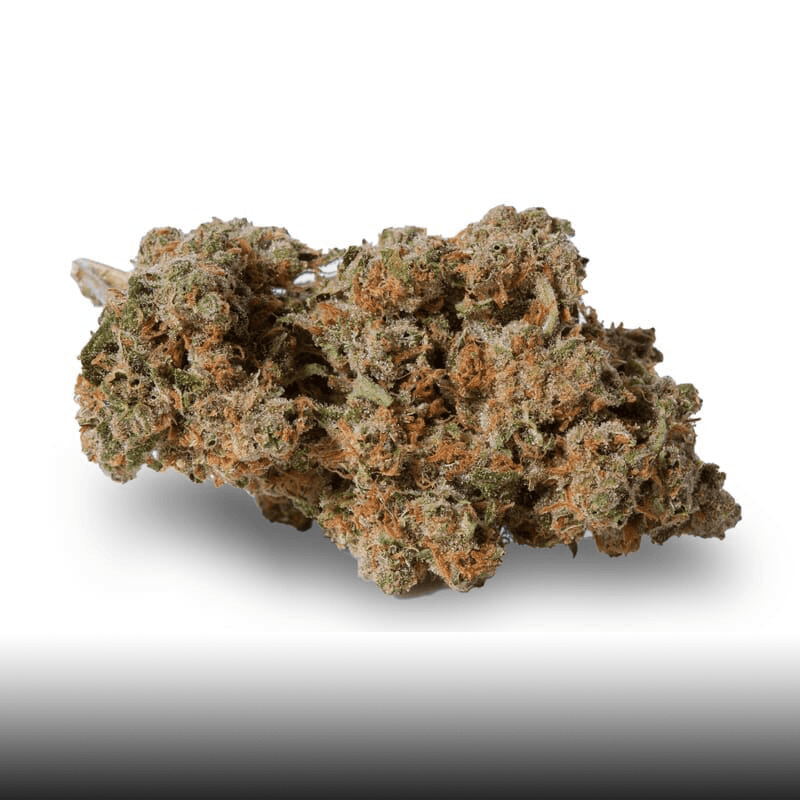
Durban Poison is instantly recognizable for its large, chunky, resin-drenched buds. Growers often call them "fat buds". The flowers are covered in trichomes from top to bottom, and the big resin glands are why this strain is a favorite for making concentrates. The flavor is spicy and fresh, with earthy, citrus, and slightly sour notes balanced by a sweet undertone, while the aroma is fruity and inviting.
Effects
With THC levels typically above 20%, Durban Poison delivers a clear, energizing high. Growers and users often call it the quintessential "cerebral" strain, and many reach for it during the day. How strong it feels still depends on how the plant was grown and harvested.
Growing Tips
Durban Poison is relatively easy to grow, even for beginners, and it copes with a wide range of conditions.
- Germination: start your seeds in sterile soil or with the paper-towel method. If you use paper towels, check them often, because they dry out quickly. Once the root is about 1/16 of an inch (2 mm) long, move the seed to your growing medium with tweezers.
- Temperature: keep it between 72-80°F (22-27°C) during the seedling and vegetative stages, and 75-78°F (24-26°C) during flowering. Try not to drop below 70°F (21°C) by day or 60°F (16°C) by night.
- Indoors or outdoors: indoors it typically flowers in around 9 weeks. Outdoors, plants can grow over 7 feet (2 m) tall and reward you with generous yields, around 18 oz (500 g) or more per plant.
- Pests: outdoor plants are exposed to mites, insects, fungus, and bigger animals. A fence helps, and a homemade organic spray handles most small pests.
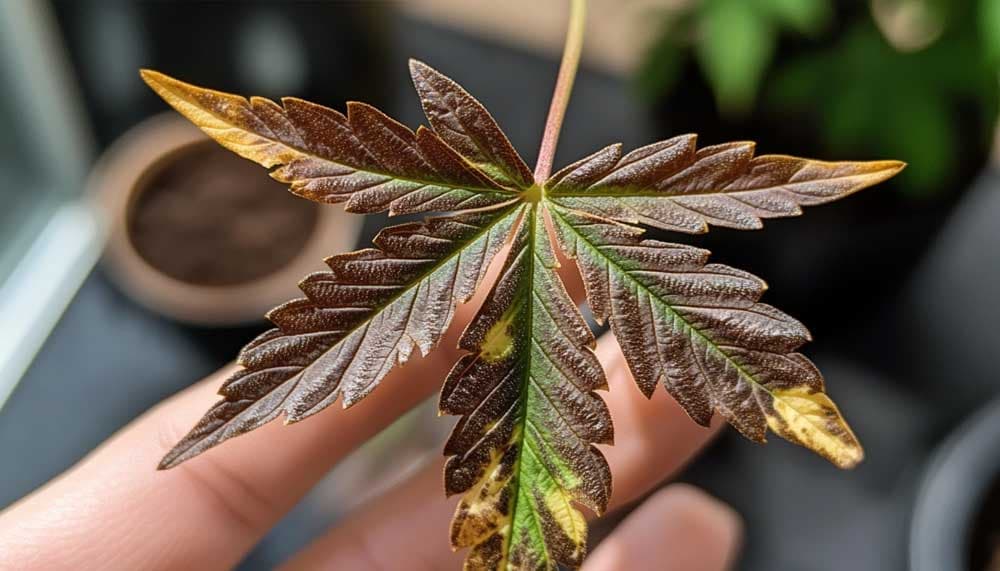
- Feeding: as a pure Sativa, Durban Poison likes a light hand. Too much nitrogen burns the leaves, so favor phosphorus and potassium during flowering, and keep an eye on magnesium, calcium, and sulfur.
A Word of Caution
Because its high can be intense, Durban Poison is best suited to more experienced consumers. If you're new to this strain, start low and go slow.
The Final Word
Durban Poison is a timeless classic: versatile, powerful, and relatively easy to grow. It is a true landrace with a reputation it has earned.