Is Weed Legal in the Netherlands? The Law in 2026
No. Possessing, selling and producing cannabis is against the law in the Netherlands, but under the official toleration policy it is tolerated: coffee shops may sell it, possession of up to 5 grams is not prosecuted, and for up to 5 plants grown for personal use the police generally only seize the plants.
Ask most people whether weed is legal in the Netherlands and they'll say yes without hesitation. The real answer is more interesting: cannabis has never actually been legalized here. What the Netherlands built instead, over more than four decades, is a system of formal tolerance — a deliberate choice to leave possession and coffeeshop sales on the books as offenses while instructing prosecutors not to pursue them. Understanding that distinction explains almost everything else about how cannabis actually works in the country today.
The Legal Status: Tolerated, Not Legalized
The Dutch government states it plainly, and the Opium Act (Opiumwet) is the law behind it: it is against the law to possess, sell or produce drugs, cannabis included. What changed in 1976 was the introduction of the gedoogbeleid, or tolerance policy: guidelines instructing the Public Prosecution Service not to prosecute specific, narrowly defined cases. Possessing no more than 5 grams of cannabis is not prosecuted. Anything beyond that — larger quantities, cultivation for sale, or trafficking — is prosecuted like any other drug offense.
This is why the popular idea that "weed is legal in Holland" is a simplification. It's tolerated, which in day-to-day practice looks almost identical to legal for a tourist buying a few grams — but the underlying legal exposure, and the rules around it, are different from full legalization.
Coffeeshops and the AHOJG Rules
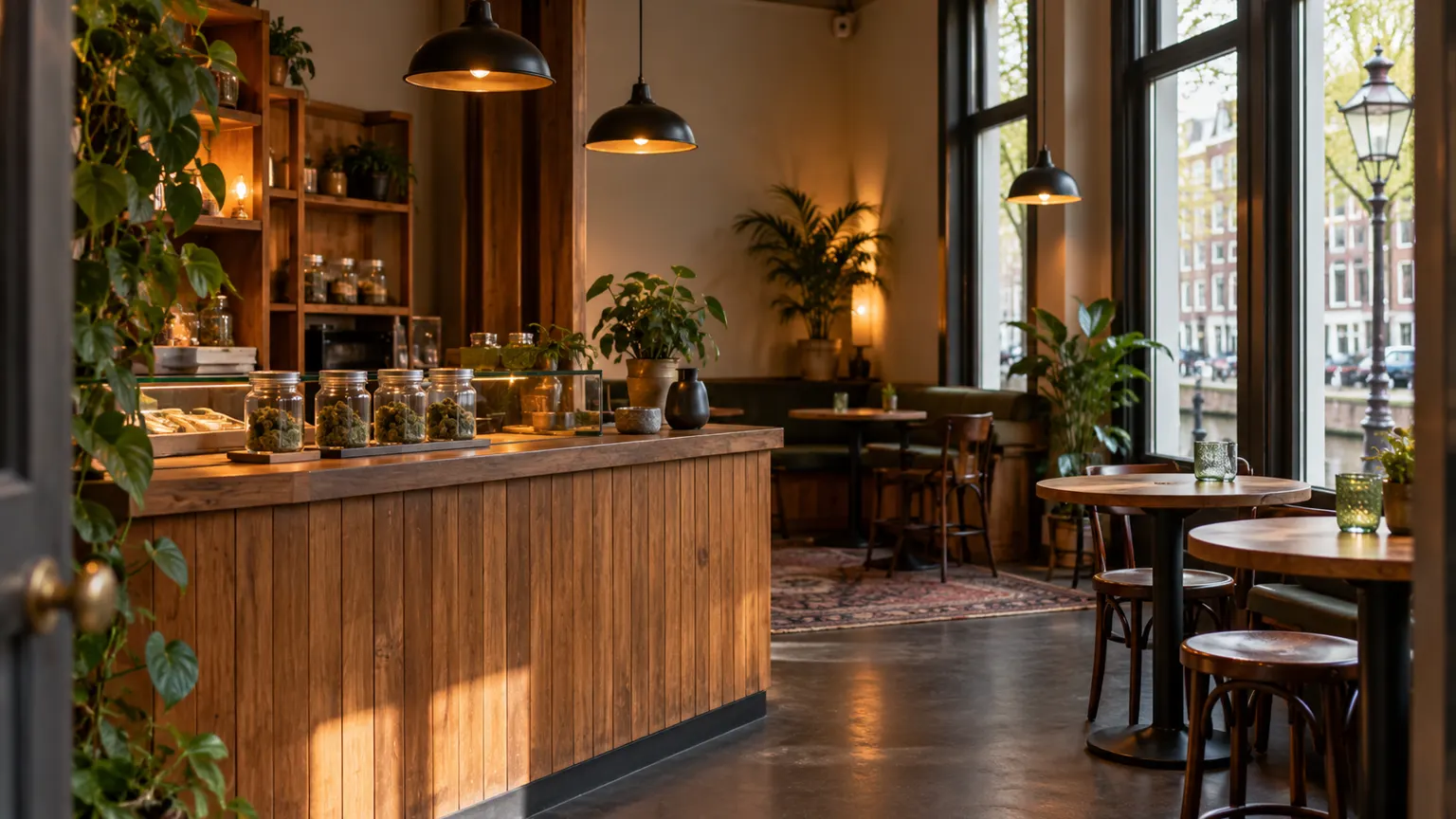
Coffeeshops are where the tolerance policy is most visible. The sale of cannabis (hash and marijuana) in coffee shops is tolerated, but a shop loses that protection if it breaks a specific set of conditions known informally as the AHOJG criteria:
- No advertising beyond a small, neutral sign
- No hard drugs on the premises
- No nuisance to the surrounding neighborhood
- No sales to minors (18 is the legal age)
- No sales of large quantities: a coffee shop may not sell more than 5 grams of cannabis in a single transaction
Municipalities also cap how many coffeeshops can operate within their borders, and many have shrunk that number steadily since the 1990s — Amsterdam alone has gone from well over 300 coffeeshops to roughly a third of that.
Can Tourists Buy Weed in Amsterdam?
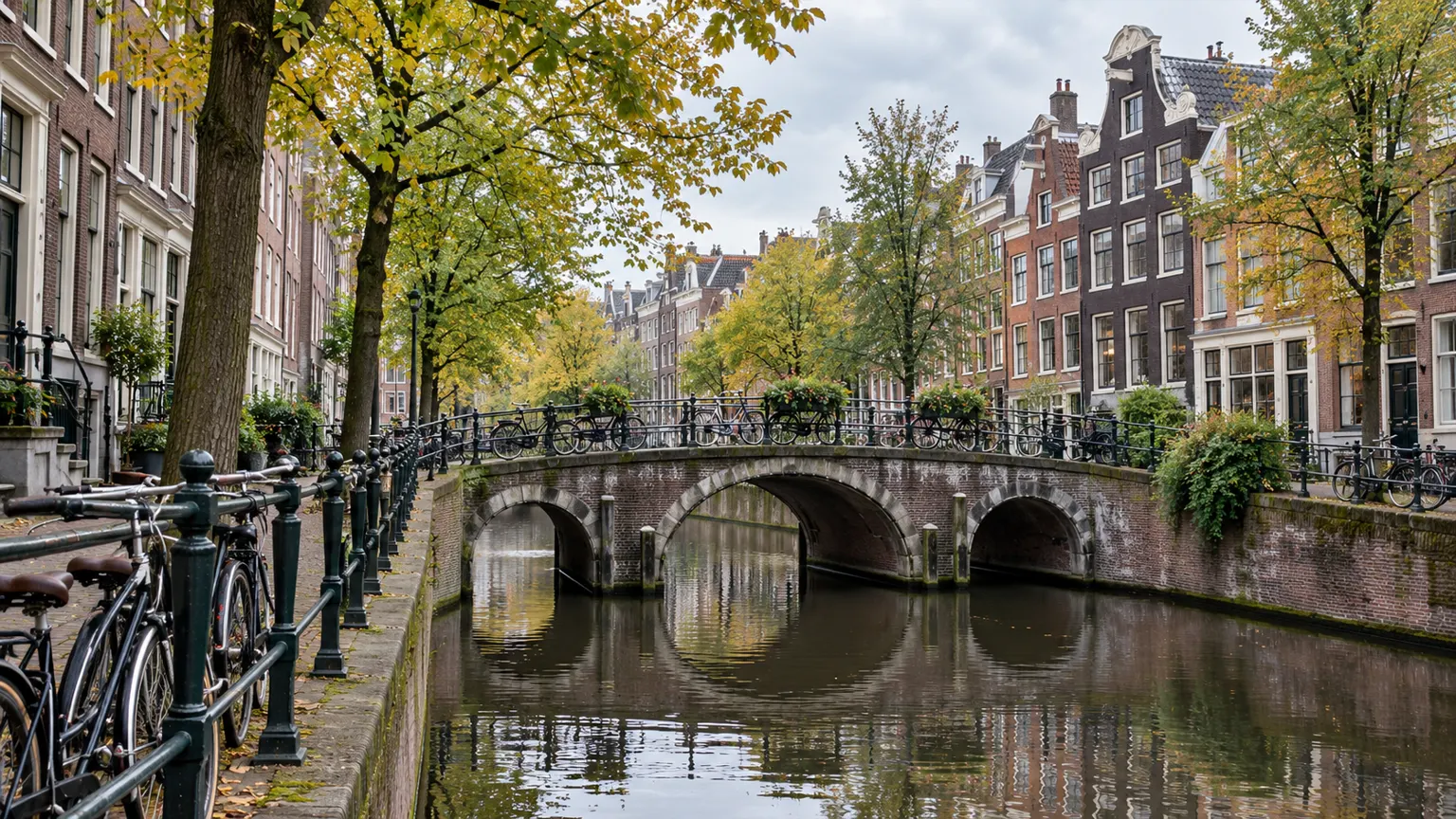
In Amsterdam and most of the rest of the country, yes: coffeeshops don't check for Dutch residency, and tourists can walk in and buy exactly as a local would. That's not true everywhere. Several southern border provinces, particularly Limburg, introduced a residency requirement (the ingezetenencriterium, sometimes called the "weed pass") around 2012 to curb drug tourism from Belgium, France, and Germany. Individual municipalities can choose whether to enforce it, and most of them outside the south do not — but it's worth checking locally if you're travelling near the border rather than assuming Amsterdam's rules apply everywhere.
Is It Legal to Grow Cannabis at Home?
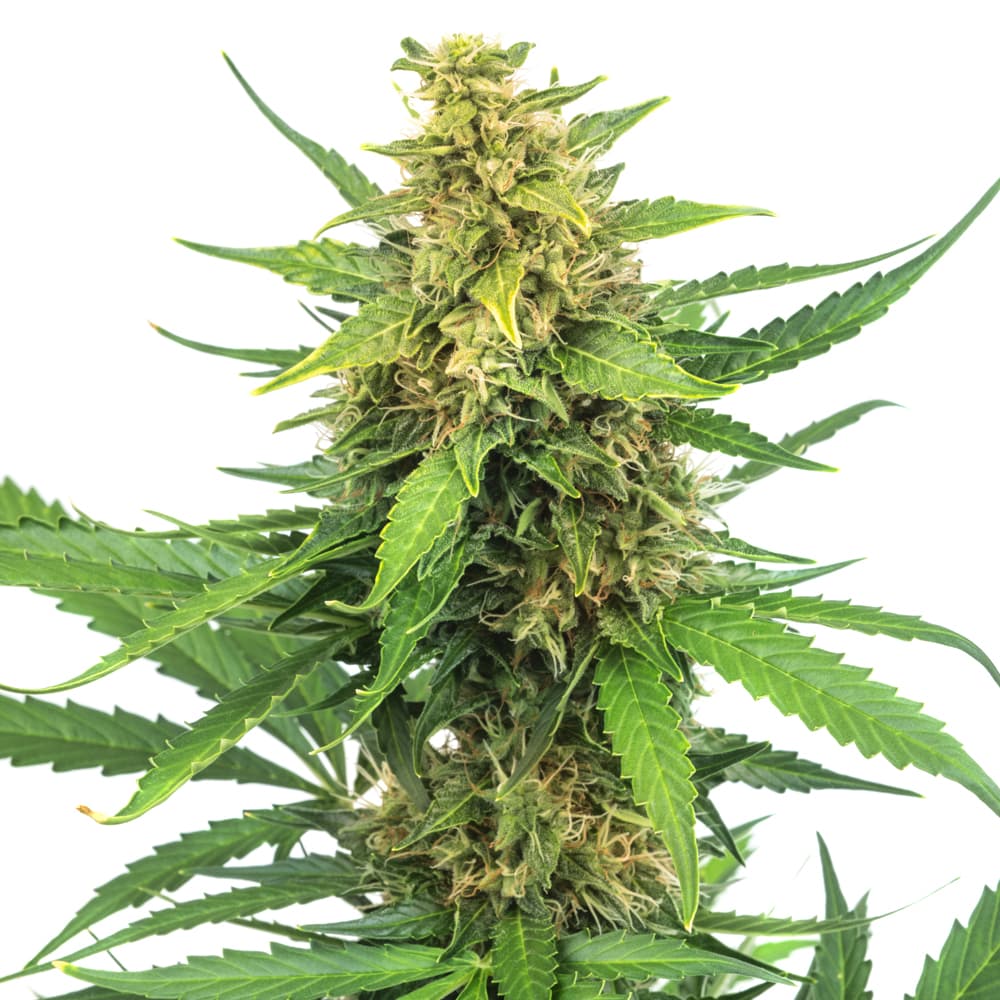
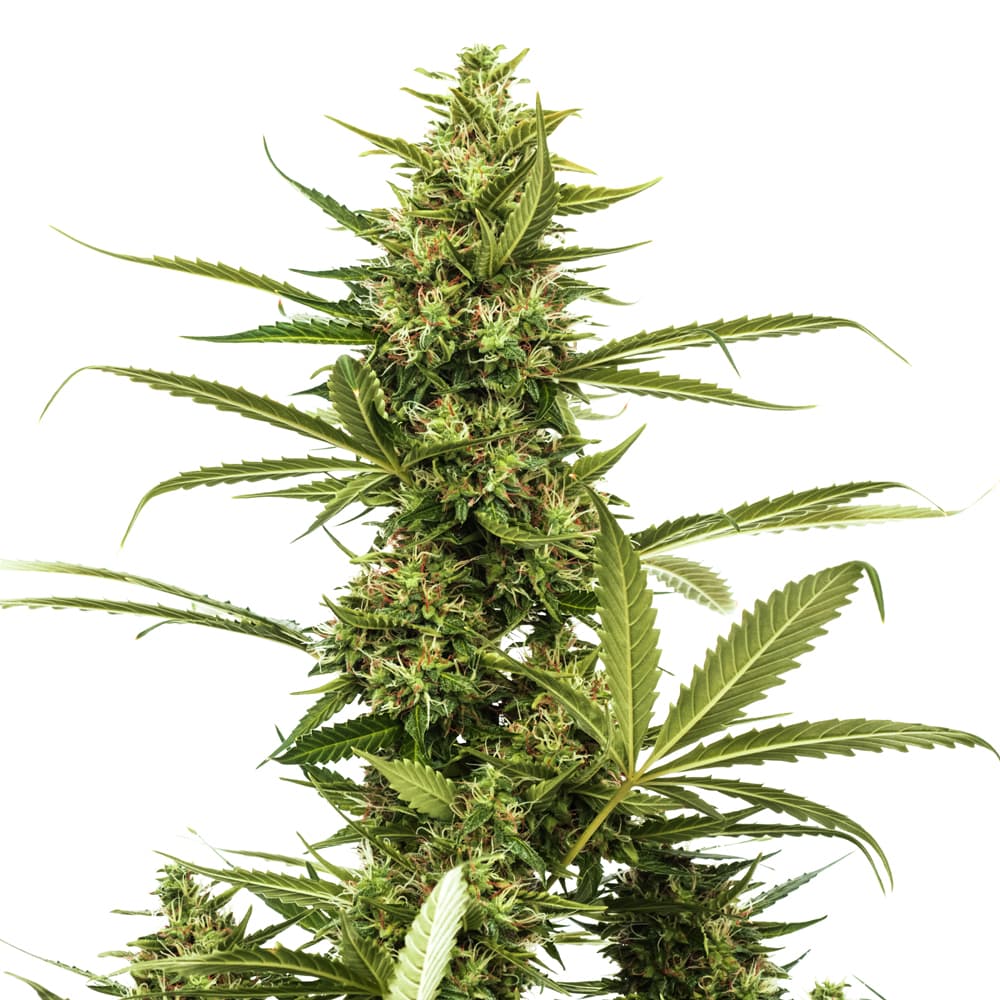
This is the part of Dutch cannabis policy that surprises people most: growing is illegal, always. Cannabis cultivation is not legalized for home growers, and a grow of more than 5 plants leads to prosecution. What the tolerance policy covers is the smallest case. According to the government's toleration rules, "in cases where no more than 5 plants are grown for personal consumption, the police will generally only seize the plants." The plants are gone, and a grow showing professional equipment or export intent is treated as a commercial operation, not a personal one.
"Generally only seize the plants" is not the same as "legal," either. A landlord, insurer, or local council can still act on an indoor grow independently of what the police decide to do.
The Wietexperiment: Closing the Back Door
The most significant recent change isn't about possession at all — it's about supply. For decades, the Netherlands has run what's often called the "front door, back door" paradox: coffeeshops can tolerate-sell cannabis at the front door, but nothing in Dutch law provides a legal way for them to buy it in the first place, leaving the entire supply chain in the hands of the same illegal cultivation networks the tolerance policy was meant to sideline.
The wietexperiment (cannabis experiment) is a government-run pilot designed to close that gap. A small number of licensed growers now supply a closed group of participating coffeeshops — the trial started in a handful of municipalities and has since been extended in scope as the government evaluates whether a fully regulated, legal cultivation-to-sale chain is workable nationwide. It's a genuine legal cultivation program, not a loosening of the personal tolerance rules described above, and it's worth watching if you're following where Dutch policy is actually headed next.
None of this makes the Netherlands a place to casually disregard the law — tolerance has limits, enforcement varies by municipality, and the rules above can and do change. If you're keeping a personal grow within the tolerated threshold, starting with resilient, low-maintenance genetics makes the difference between a discreet couple of plants and one that draws attention it doesn't need to.
This is part of our full guide to cannabis laws across Europe — see how the Netherlands compares to its neighbors.
Last checked against the Dutch government's toleration policy page: October 2026.