Hollanda'da Ot Yasal mı? 2026'da Yasal Durum
Hayır. Hollanda'da esrar bulundurmak, satmak ve üretmek yasalara aykırı; ancak resmi hoşgörü politikası çerçevesinde bunlara göz yumuluyor: coffee shop'lar satış yapabiliyor, 5 grama kadar bulundurma kovuşturulmuyor ve kişisel kullanım için yetiştirilen en fazla 5 bitkide ise polis genellikle yalnızca bitkilere el koyuyor.
İnsanların çoğuna Hollanda'da esrarın yasal olup olmadığını sorarsanız tereddüt etmeden "evet" derler. Gerçek cevap çok daha ilginç: cannabis burada hiçbir zaman fiilen yasal hale getirilmedi. Hollanda'nın onun yerine, dört küsur on yılda kurduğu şey resmî bir hoşgörü sistemi — bulundurma ve coffee shop satışını kağıt üstünde suç olarak bırakıp savcıları bunların peşine düşmemeye yönlendirmeye verilmiş bilinçli bir karar. Bu ayrımı anlamak, ülkede cannabisin bugün gerçekte nasıl işlediğini neredeyse tamamen açıklıyor.
Yasal Durum: Hoş Görleniyor, Yasallaştırılmadı
Hollanda hükümeti bunu açıkça söylüyor, arkasındaki yasa da Opiumwet (Afyon Yasası): uyuşturucu bulundurmak, satmak veya üretmek yasaktır; cannabis de dahil. 1976'da değişen şey gedoogbeleid, yani hoşgörü politikasının yürürlüğe girmesiydi: Kamu Savcılığına belirli ve dar kapsamlı tanımlanmış durumlarda kovuşturma yapmaması talimatını veren yönergeler. En fazla 5 gram cannabis bulundurmak kovuşturulmuyor. Bunun ötesinde — daha büyük miktarlar, satmak için yetiştiricilik veya kaçakçılık — her türlü uyuşturucu suçunda olduğu gibi kovuşturuluyor.
"Hollanda'da esrar yasaldır" şeklindeki yaygın kanının bir basitleştirme olmasının sebebi de bu. Hoş görülüyor; bu da birkaç gram alan bir turist için günlük hayatta neredeyse yasal olmakla aynı görünüyor, ama altta yatan hukuki risk ve etrafındaki kurallar tam anlamıyla yasal hale getirmekten farklı.
Coffee Shop'lar ve AHOJG Kuralları
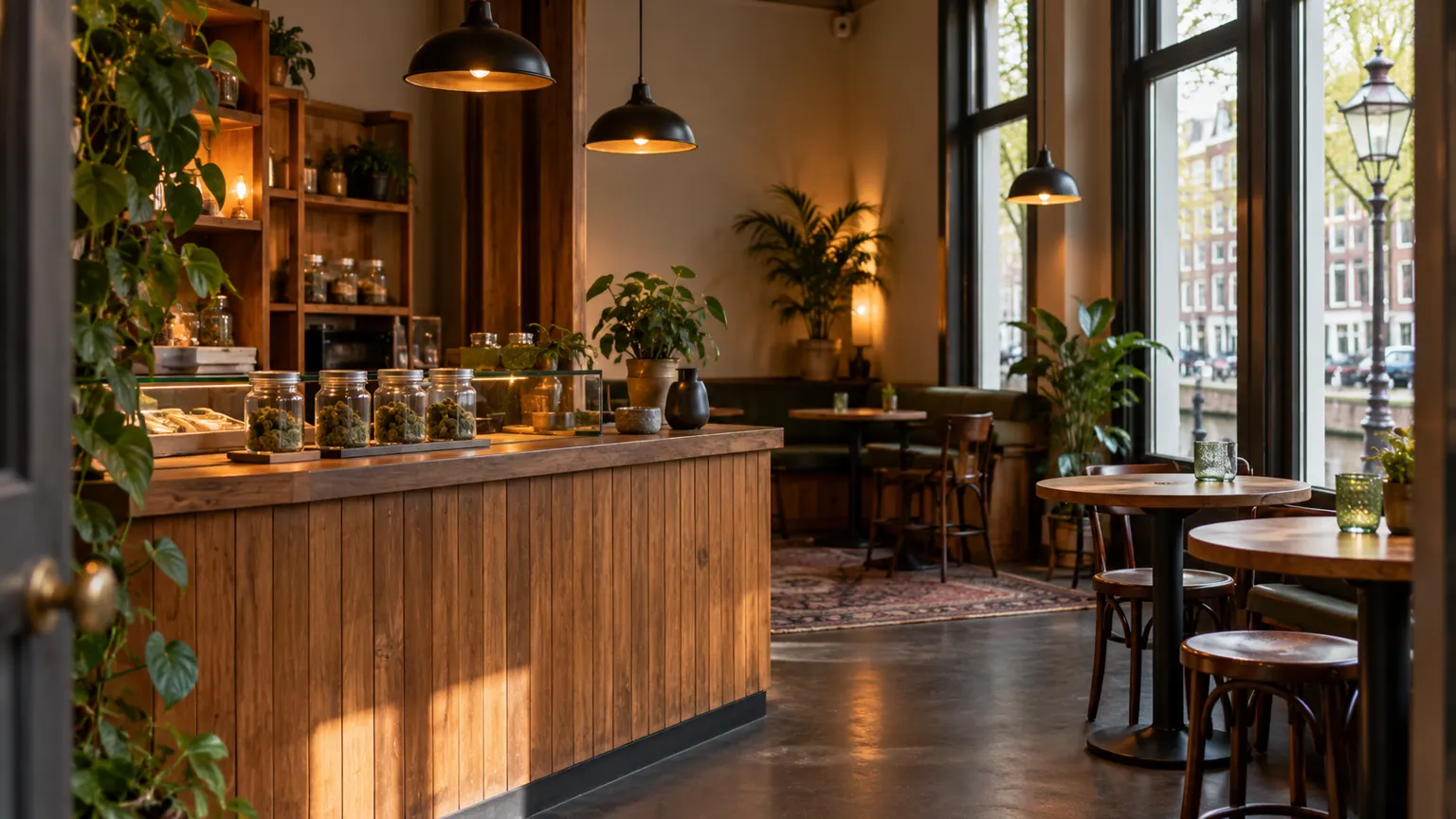
Hoşgörü politikasının en görünür olduğu yer coffee shop'lardır. Coffee shop'larda cannabis (haşiş ve marihuana) satılmasına göz yumulur, ama bir dükkan AHOJG kriterleri diye bilinen bir dizi koşulu ihlal ederse bu korumayı kaybeder:
- Küçük, sade bir tabela dışında reklam yok
- İşyerinde sert uyuşturucu yok
- Çevrede rahatsızlık yok
- Reşit olmayanlara satış yok (yasal yaş 18)
- Büyük miktarlarda satış yok: bir coffee shop tek işlemde en fazla 5 gram cannabis satabilir
Belediyeler ayrıca sınırları içinde kaç coffee shop faaliyette bulunabileceğine üst sınır koyar ve pek çoğu bu sayıyı 1990'lardan beri düzenli olarak düşürdü — Amsterdam'ın kendisi 300'ün hayli üstünden yaklaşık üçte birine indi.
Turistler Amsterdam'da Esrar Alabilir mi?
Amsterdam'da ve ülkenin geri kalanının çoğunda evet: coffee shop'lar Hollanda'da ikamet şartı aramaz, turistler içeri girip bir yerli nasıl alıyorsa öyle alabilir. Ama bu her yerde böyle değil. Güneydeki birkaç sınır eyaleti, özellikle Limburg, Belçika, Fransa ve Almanya'dan gelen uyuşturucu turizmini dizginlemek için 2012 civarında bir ikamet şartı (ingezetenencriterium, bazen "weed pass" denir) getirdi. Bireysel belediyeler bunu uygulayıp uygulamamayı kendileri seçer ve güney dışındaki çoğu uygulamaz — ama sınıra yakın seyahat ediyorsanız Amsterdam kurallarının her yerde geçerli olduğunu varsaymak yerine yerelde kontrol etmekte fayda var.
Evinde Cannabis Yetiştirmek Yasal mı?
Hollanda cannabis politikasının insanları en çok şaşırtan kısmı bu: yetiştiricilik yasa dışıdır, her zaman. Ev yetiştiricileri için cannabis yetiştiriciliği yasal hale getirilmemiştir ve 5 bitkiyi aşan bir yetiştirme kovuşturmayla sonuçlanır. Hoşgörü politikasının kapsadığı şey yalnızca en küçük durum. Hükümetin hoşgörü kurallarına göre, "kişisel tüketim için en fazla 5 bitki yetiştirilen vakalarda polis genellikle yalnızca bitkilere el koyar." Bitkiler gider; profesyonel teçhizat veya ihracat niyeti gösteren bir yetiştirme ise kişisel değil ticari operasyon sayılır.
"Genellikle yalnızca bitkilere el koymak" da "yasal" olmakla aynı şey değil. Bir ev sahibi, sigortacı veya belediye meclisi, polisin ne yapacağından bağımsız olarak kapalı alan yetiştiriciliği hakkında yine işlem yapabilir.
Wietexperiment: Arka Kapıyı Kapatmak
Son dönemin en önemli değişikliği bulundurma ile ilgili değil — arz ile ilgili. Hollanda on yıllardır "ön kapı, arka kapı" paradoksu denen bir durum yaşıyor: coffee shop'lar ön kapıda hoşgörüyle cannabis satabiliyor, ama Hollanda yasalarında onların cannabisi ilk etapta satın alabilecekleri yasal bir yol yok; tüm tedarik zinciri, hoşgörü politikasının dışlamayı amaçladığı yasa dışı yetiştiricilik ağlarının elinde kalıyor.
Wietexperiment (esrar deneyi), bu boşluğu kapatmak için tasarlanmış hükümet eliyle yürütülen bir pilot uygulama. Az sayıda lisanslı yetiştirici artık kapalı bir katılımcı coffee shop grubuna tedarik sağlıyor — deneme avuç kadar belediyede başladı ve hükümet tam denetimli, yetiştirmeden satışa uzanan yasal bir zincirin ülke genelinde uygulanabilir olup olmadığını değerlendirdikçe kapsamı genişletildi. Bu gerçek bir yasal yetiştiricilik programıdır, yukarıda anlatılan kişisel hoşgörü kurallarının gevşetilmesi değil; Hollanda politikasının gerçekte nereye gittiğini takip ediyorsanız izlemeye değer.
Bütün bunlar Hollanda'yı yasaları hafife alabileceğiniz bir yer yapmıyor — hoşgörünün sınırları var, uygulama belediyeden belediyeye değişiyor ve yukarıdaki kurallar değişebilir, nitekim değişiyor. Kendi kullanımınız için yaptığınız yetiştirmeyi hoş görülen eşik içinde tutuyorsanız, dayanıklı ve bakımı kolay genetiklerle başlamak, göze batmayan birkaç bitki ile gereksiz yere dikkat çeken bir yetiştirme arasındaki farkı belirler.
Bu yazı, Avrupa'daki cannabis yasaları rehberimizin bir parçası — Hollanda'nın komşularıyla karşılaştırmasına da bakın.
Hollanda hükümetinin hoşgörü politikası sayfasına karşı son kontrol: Ekim 2026.