Cannabis vs Marijuana: What the Words Really Mean
Cannabis is the plant. Marijuana is one use of it: the dried flowers and leaves people smoke, vape or cook with for the high. Hemp is the other main use, and it sits on the legal side of a THC line. So the words overlap far more than they differ, and most of the difference is about law and habit, not botany. Here is how the words are used, where hemp fits in, and what it means when you buy seeds.
What is the difference between cannabis and marijuana?
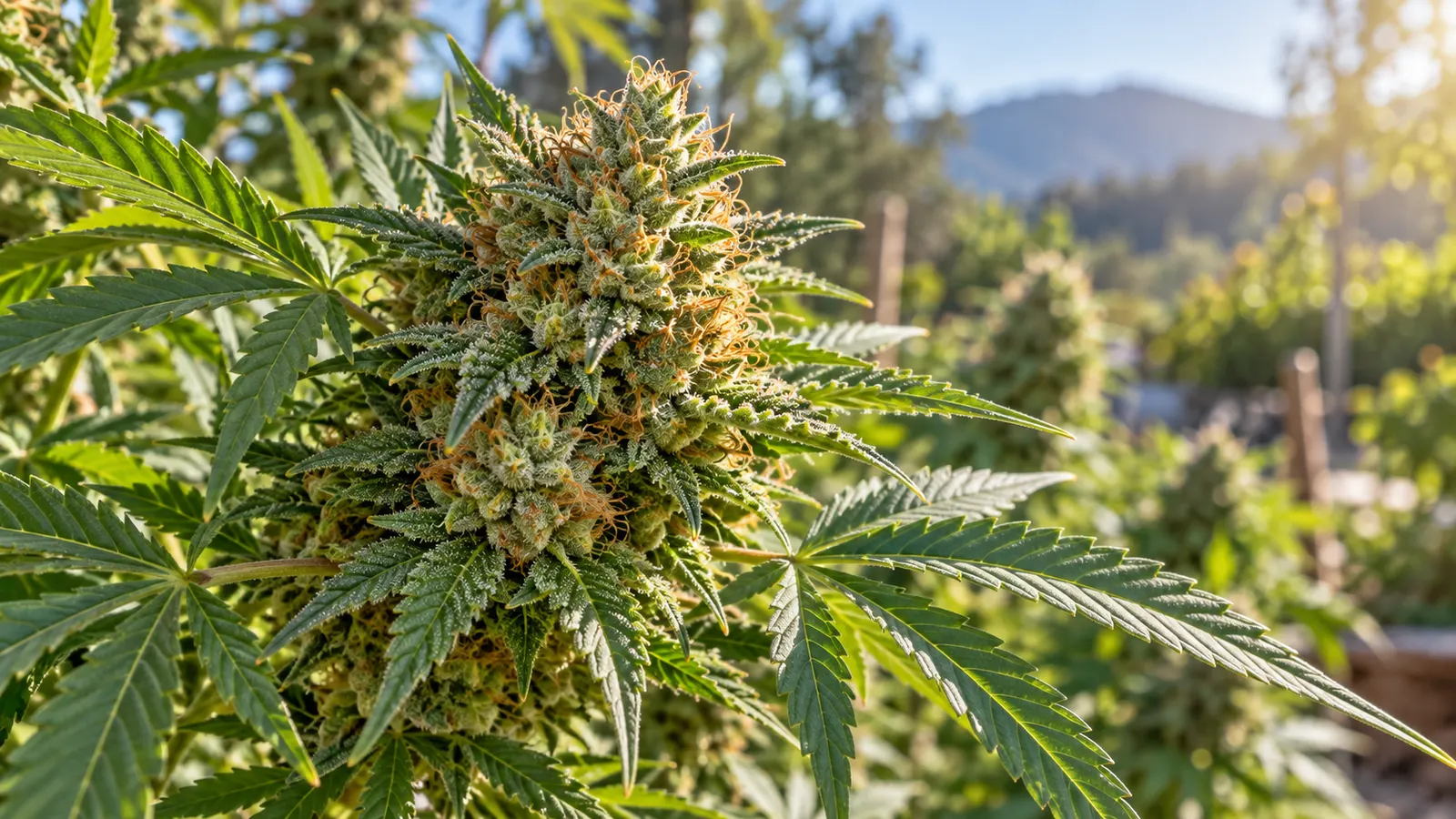
In everyday speech, nothing much. Most people say weed, marijuana or cannabis for the same thing. If you want to be exact, "cannabis" names the plant and everything that comes from it, while "marijuana" names the intoxicating part: the dried flower buds and leaves.
Merriam-Webster defines marijuana as the dried flower buds and leaves of the female hemp or cannabis plant, with high levels of THC, used for their intoxicating effect. It adds that the word can also refer to the plant itself. That second meaning is why you can read "marijuana plant" and "cannabis plant" in the same article and nobody is wrong.
The plant yields more than one product. Flowers are only one of them. Fibre from the stalks, oil from the seeds and extracts rich in cannabidiol (CBD) are all cannabis products, and none of them is marijuana in the strict sense.
Where does the word marijuana come from?
Marijuana is a borrowed word. English took it from Mexican Spanish, where it was written mariguana or marihuana. Where the Spanish word itself comes from is still unclear. The same dictionary entry dates the earliest known Spanish record to an 1846 Mexican pharmacopoeia and the first English use to 1874.
You will often hear that it comes from the name "María Juana". The dictionary says that theory is not supported.
"Cannabis" is the Latin name of the plant genus. It is the word that science and medicine use, and it appears in many legal texts next to other terms. That is why you will see it more in research papers, and "marijuana" more in everyday talk.
Is the difference really legal, not botanical?
Yes. The plant in law books is one plant, Cannabis sativa L. What changes is the label the law gives it, and that depends on how much THC it contains.
In the United States, the Controlled Substances Act defines marijuana as all parts of the plant Cannabis sativa L., growing or not, including seeds and resin. It then carves out hemp, along with mature stalks, fibre, oil or cake made from the seeds, and sterilised seed that cannot germinate. In other words, federal law treats marijuana as cannabis that is not hemp.
The dividing line is a THC figure. Two plants can look the same and carry the same Latin name, and one is "hemp" and the other "marijuana" because of a lab result.
A regulator does not ask what you call a plant. It looks at the THC figure.
What counts as hemp?
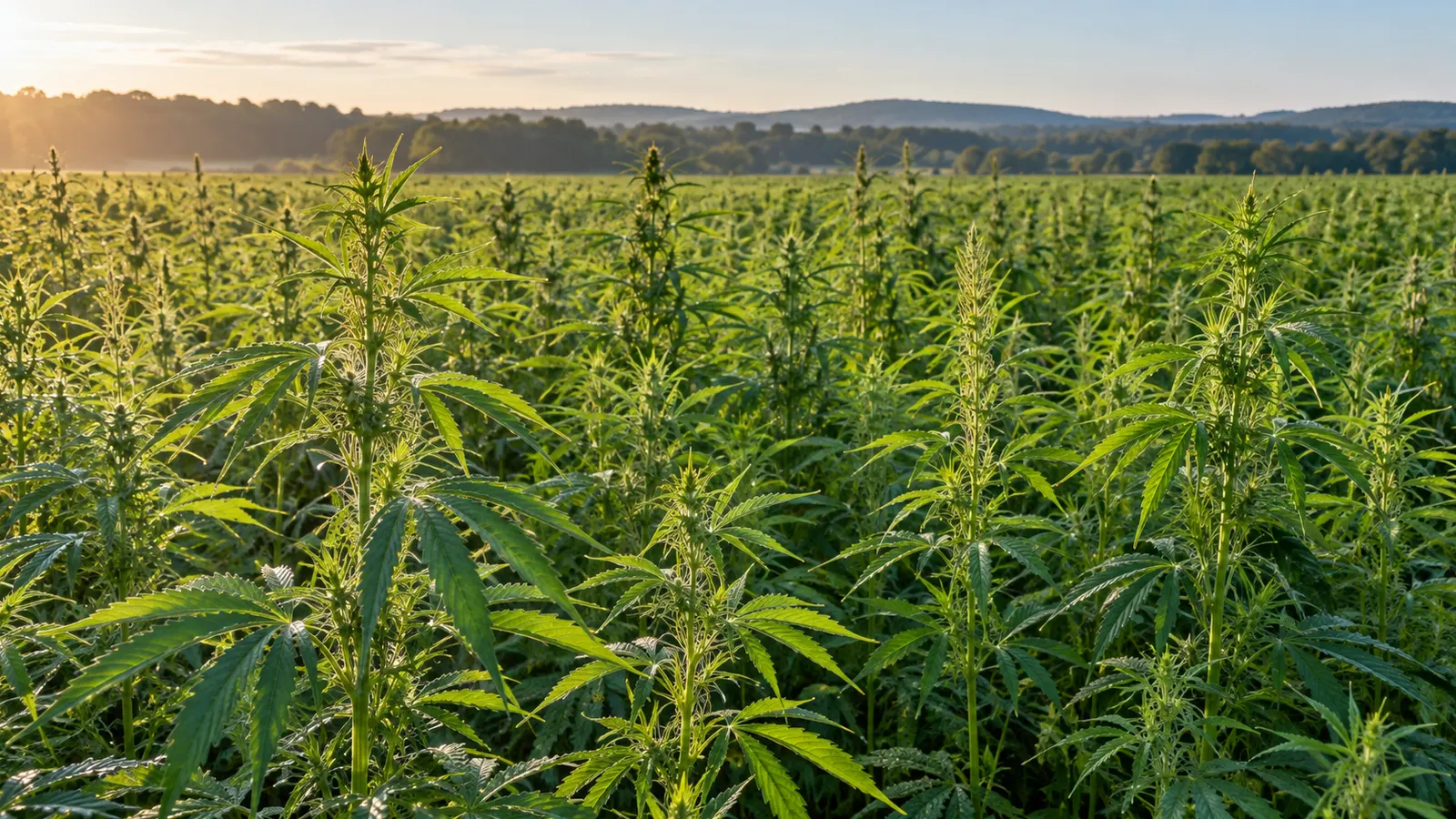
Hemp is cannabis grown for fibre, seed or low-THC extracts, and it is defined by its THC level. US law defines hemp as the plant and any part of it with a delta-9 THC concentration of not more than 0.3 percent on a dry weight basis. The same page of the US Code lists an amendment that changes the test to total THC, including THCA, and that applies from 365 days after 12 November 2025, so from November 2026. Total THC is a stricter measure, because it counts the THCA that turns into THC when flower is heated.
The European Union uses the same 0.3 percent figure for farming support. Recital 18 of the 2021 Common Agricultural Policy regulation says hemp seed varieties with a THC content below 0.3 percent count as eligible hectares. That rule is about who can receive farm payments. Whether you may grow or sell hemp in a given country is still decided nationally, and national rules differ.
Hemp plants are bred for tall, fibrous stalks and seed. Marijuana plants are bred for flowers. If you want the full picture of the plant itself, read is hemp different from cannabis, and for the industrial side see industrial hemp.
How do cannabis, marijuana and hemp compare?
Cannabis
The umbrella word. It covers the whole plant, every product made from it and every variety, from fibre crops to flowers grown for their effect.
Marijuana
The intoxicating part of the plant, or the plant when it is grown for that purpose. In US federal law it means cannabis that is not hemp. Elsewhere the legal word may be different, so check how your own country defines it.
Hemp
Cannabis with THC at or below the legal limit, grown for fibre, seed and low-THC products. It is not meant to get you high.
Does THC or CBD make the difference?
THC is the main compound behind the high. CBD does not produce a high in the same way. Marijuana is bred to carry a lot of THC, and hemp is held below a legal THC limit. Many CBD products come from hemp for that reason.
THC and CBD still come from the same plant, and a single plant makes both in different amounts. Our guide to the differences between THC and CBD goes through what each one does.
Are indica and sativa the same as marijuana and hemp?
No. Indica and sativa describe the growth habit and the feel of a variety. They are not legal categories and they do not mean "marijuana" or "hemp". A sativa-labelled strain can be marijuana or hemp depending on its THC. Indica and sativa labels are also looser than most people think, which we cover in cannabis sativa and indica myths and in the indica vs sativa comparison.
Which word should you use?
Use the word your reader expects. For a general conversation, any of them works. Some points that help:
- Writing about the plant, the science or the medicine: use cannabis.
- Talking about flowers grown for the high: marijuana, cannabis or weed are all understood.
- Talking about fibre, seed or low-THC crops: say hemp.
- Reading a law: look at the definition inside that law, because the word is defined there and may not match everyday use.
When you are unsure, cannabis is usually the safest choice, except when you are quoting a law that defines its own terms.
Other words are older or regional. If you wonder about one of them, we explain what ganja is in a separate article.
Which words do people actually search for?
We see the same thing in our own Search Console data. Between 1 August and 30 October 2026, our seed pages appeared in Google results for searches using all three words: "what do weed seeds look like" (360 impressions), "what do cannabis seeds look like" (120) and "where to buy marijuana seeds" (199). Impressions are not visitors, and these are different questions, but they suggest that people pick the word out of habit, not because the words mean different things.
Most of these searches are beginner questions about what a seed looks like and where to buy it. If you came for the words, the practical questions come next, and they are the ones people ask most.
Common mix-ups
- "Cannabis" is the name of the plant, which also gives fibre, food and medicine.
- "Marijuana" does not mean a stronger plant. The word says how the plant is used, not how strong it is. Strength depends on the variety and how it was grown.
- Hemp is not a different species. In the US and EU texts quoted above it is the same plant as marijuana, and the THC level is what separates them.
- "CBD" is not a plant type. It is one compound. Both hemp and marijuana varieties can make it.
- "Indica" and "sativa" do not decide the law. The legal label comes from THC, not from the growth habit.
If a product page, a lab report or a law uses one of these words, look for the definition behind it.
What does this mean when you buy seeds?
Seed companies use "cannabis seeds" and "marijuana seeds" for the same product. The seeds are for plants bred to produce flowers with THC, so at a seed shop they are not hemp seed for fibre. On our site the full range sits in the marijuana seeds category, where you can browse feminized, autoflower and regular varieties.
On a seed page the word matters less than the type. In our support conversations we notice that customers sometimes miss the letters in a product code: F stands for feminized, A for autoflower, and no letter means a regular seed. Check the type before you order, because a feminized seed and a regular seed behave differently, and so do an autoflower and a photoperiod variety. Our guide to indica and sativa covers the growth side.
Before you buy, check what is allowed where you live. Seed rules differ by country, and growing rules differ again. We keep a set of country guides, such as is weed legal in the Netherlands. Laws change, so treat any guide as a starting point and read your own country's current rules.
Frequently asked questions
Is marijuana the same as cannabis?
Mostly yes. Cannabis is the plant and marijuana is the dried flowers and leaves used for their effect, although many people use the two words for the same thing.
Is hemp marijuana?
No. Hemp is cannabis with THC at or below a legal limit. In US law that limit is 0.3 percent delta-9 THC by dry weight, and the EU uses 0.3 percent for farm payments. Marijuana is the part of the plant, or the type of plant, that is above that line.
Where does the word marijuana come from?
It was borrowed from Mexican Spanish. Its deeper origin is uncertain, and the popular "María Juana" explanation is not supported by the dictionary's records.
Is cannabis legal?
It depends on the country and sometimes the region, and the answer also depends on what you mean: possessing flowers, growing a plant, selling seeds or using hemp products are often treated differently. Check the current law where you live.
Do cannabis seeds and marijuana seeds differ?
No. In a seed shop both terms mean seeds from varieties bred to flower. Hemp seed for fibre or food is a different crop with its own rules.
The full seed range is in the marijuana seeds category.